
24/7 Customer Support

Free returns

Same-day & Next-day Delivery

Quality Guaranteed

Unlock Your Welcome Offers: FREE Delivery | Up to 80% OFF | Free 30-day JoyPlus trial
Download the APP
Walking down the hair care aisle can feel overwhelming. With countless bottles promising shine, volume and repair, it's easy to end up with a bathroom cabinet full of products that don't quite deliver. As a Product Recommendation Officer at Joybuy, my role is to help you navigate the clutter and make choices that suit your hair and your budget.
Many of us fall into common purchasing traps, often swayed by clever marketing rather than the formulation inside the bottle. Before you buy your next shampoo, be aware of these frequent pitfalls:
To find a shampoo that truly works for you, focus on a few core parameters rather than just the claims on the front of the bottle.
This is the most critical step. Your hair's texture (fine, medium, coarse) and your scalp's condition (oily, dry, balanced and prone to dandruff) dictate the kind of shampoo you need.
Surfactants are the ingredients that create lather and remove dirt and oil. Their strength determines how "deeply" a shampoo cleanses.
Beyond cleansing, specific ingredients are included to address particular concerns.
Based on these practical criteria, we've matched some options to common UK user profiles. These selections stand out for their formulation and suitability for specific needs.
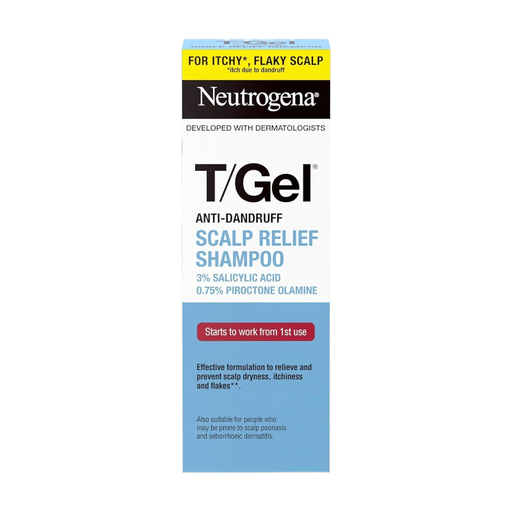
Why This Fits Their Persona: This user needs a targeted solution for dandruff and scalp discomfort that goes beyond basic cleansing. They are looking for a product with recognised active ingredients to manage a persistent issue.
It bypasses the "miracle ingredient" myth by relying on a combination of Salicylic Acid and Piroctone Olamine, two well-regarded ingredients for addressing the causes of dandruff and scalp buildup.
The formula is designed to cleanse away excess oil and impurities while actively targeting scalp issues. It also includes conditioning agents to leave hair feeling manageable, not stripped.
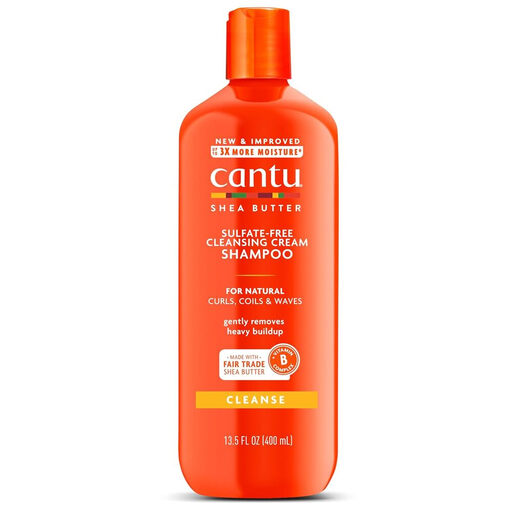
Why This Fits Their Persona: This individual has textured hair that requires significant moisture and a gentle cleanse to avoid disrupting the curl pattern and causing dryness. They actively seek out sulfate-free formulas.
It avoids the "one-size-fits-all" trap by being specifically formulated for natural, curly, coily and wavy hair. The focus is on moisturising with Shea Butter while gently cleansing, rather than trying to cater to every hair type.
This is a sulfate-free formula that effectively removes product buildup without stripping the hair's natural oils. It helps to reduce breakage and maintain a healthy environment for hair growth.
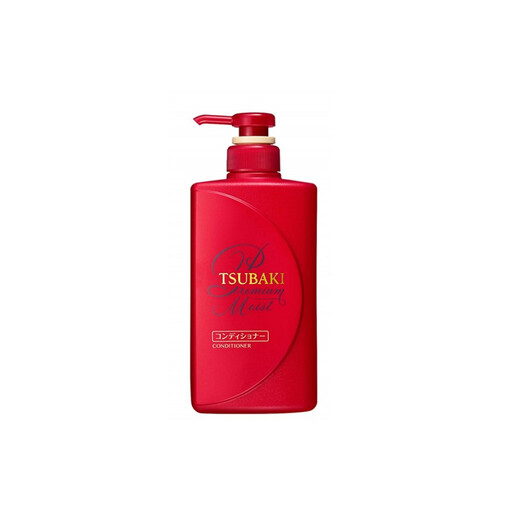
Why This Fits Their Persona: This user has hair that is dry, brittle or damaged from colouring and heat styling. They are looking for a more advanced, salon-inspired formula to restore moisture and smoothness.
Instead of highlighting a single "miracle" ingredient, this shampoo features a comprehensive repair complex including camellia japonica seed oil, royal jelly and soy protein, targeting damage from multiple angles.
It uses what the brand describes as a salon-grade permeation technology to help nourishing ingredients penetrate the hair core. It aims to replenish moisture and seal rough cuticles for smoother, more manageable hair.
We have compiled a complete, real-time list of products that fully satisfy these strict selection criteria and UK safety regulations.
There's no single right answer, as it depends heavily on your scalp and lifestyle. If you have a greasy scalp or exercise daily, you might need to wash every day with a gentle shampoo. If your scalp is dry and your hair is coarse, you might find that washing every 2-4 days is sufficient to keep your hair clean without stripping its natural oils.
Yes, a well-formulated sulfate-free shampoo can cleanse hair effectively. They use milder cleansing agents that are less likely to strip moisture, making them a great option for dry, damaged or colour-treated hair. If you use a lot of heavy styling products like waxes or silicones, you may want to occasionally use a clarifying shampoo to prevent buildup.
A higher price doesn't always guarantee better results, but it can often reflect a more sophisticated formulation. More expensive shampoos may use gentler, more costly surfactants, a higher concentration of beneficial active ingredients and have more research behind their formulas. However, the most important factor is finding a product that is correctly matched to your specific hair and scalp needs, regardless of price.