
24/7 Customer Support

Free returns

Same-day & Next-day Delivery

Quality Guaranteed

Unlock Your Welcome Offers: FREE Delivery | Up to 80% OFF | Free 30-day JoyPlus trial
Download the APP
Navigating the shampoo aisle can feel overwhelming. With countless bottles promising miraculous transformations, it's easy to end up with a product that doesn't suit your hair or worse, exacerbates your concerns. As a Joybuy Product Recommendation Officer, my role is to help you see past the marketing jargon and make informed choices. Before you spend another pound, let's look at the common pitfalls that lead to disappointing purchases.
To find a shampoo that truly works, you need to understand what's inside the bottle. Here are the two most important factors to check before you buy.
The primary job of a shampoo is to clean, and it does this using surfactants. Understanding the type of surfactant can tell you a lot about how the shampoo will behave.
Beyond cleansing, a good shampoo should contain active ingredients that address your specific needs. Look for these on the ingredient list:
Based on these practical criteria, we've matched some effective, widely available shampoos to common user needs.
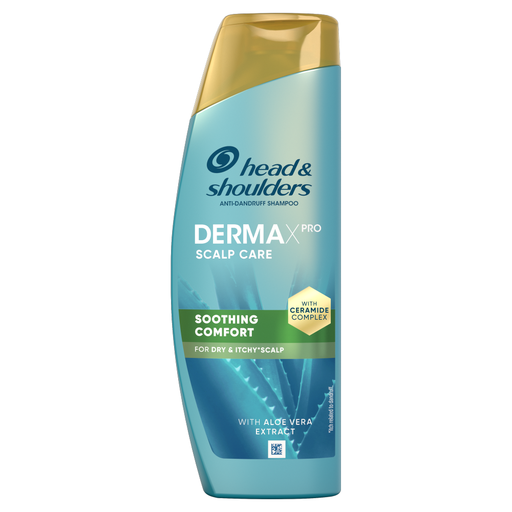
Why This Fits Their Persona: This user needs a reliable, no-fuss solution for a persistently dry, itchy and flaky scalp. They value proven effectiveness over trendy, "natural" marketing.
It avoids vague "miracle" claims by using a specific, clinically proven active ingredient, Piroctone Olamine, to directly address the root cause of dandruff.
Combines its anti-dandruff action with skin-soothing ingredients like active aloe and vitamin E to provide comfort for an itchy scalp, tackling both flakes and irritation.
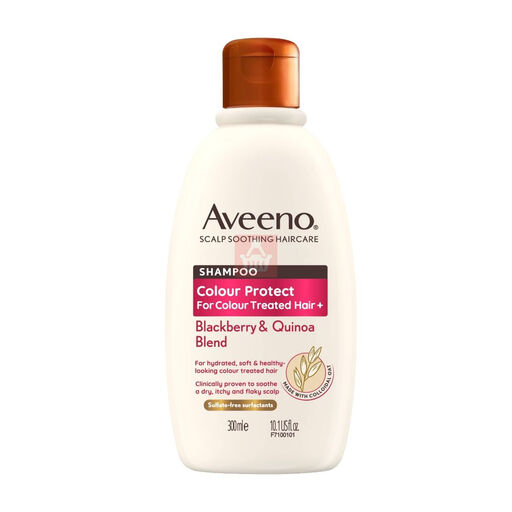
Why This Fits Their Persona: This user has invested time and money in their hair colour and their priority is preventing fade. They seek a gentle, targeted formula that cleanses without stripping colour.
It avoids the "all-in-one" trap by focusing specifically on the needs of colour-treated hair. Its sulphate-free formulation provides a gentle cleanse designed to minimise colour fade.
According to the brand, it is clinically proven to help prevent breakage and protect colour from fading. It also contains colloidal oatmeal to soothe the scalp, which can be sensitised after colouring treatments.
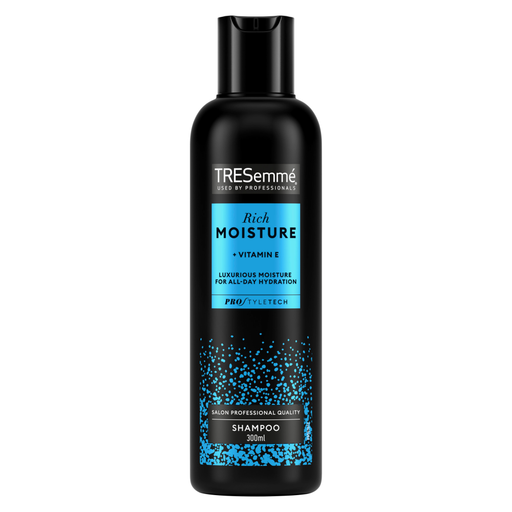
Why This Fits Their Persona: This person's hair feels constantly dry, brittle and lacks softness, often due to heat styling or environmental stress. They need a shampoo that delivers a noticeable boost of hydration.
Instead of just being "moisturising," it specifies its technology. The formula includes amino acids and ceramide, which are known structural components of hair, targeting repair from within.
It is infused with Vitamin E and is designed to deliver hydration that leaves hair feeling soft and manageable, creating a good base for styling.
We have compiled a complete, real-time list of products that fully satisfy these strict selection criteria and UK safety regulations.
A clarifying shampoo is a deep-cleansing product designed to remove stubborn build-up from styling products, chlorine or hard water minerals. For most people, using one every 1-4 weeks is sufficient. If you use a lot of heavy styling products or have very oily hair, you might use it more frequently, but overuse can strip the hair of its natural oils.
Many modern anti-dandruff shampoos are formulated to be gentle enough for daily use. Products like the Head & Shoulders DermaXPro are dermatologically tested and designed to be used regularly to maintain scalp health and prevent flakes from returning. Always check the product's directions, but consistent use is often key to managing dandruff effectively.
A volumising shampoo works by using lightweight ingredients that add body and lift to the hair, making it appear fuller without weighing it down. It's ideal for fine or flat hair. A moisturising shampoo for dry hair, on the other hand, contains richer, heavier ingredients like oils and butters that aim to hydrate and smooth the hair cuticle, which can sometimes weigh fine hair down. Choosing between them depends on whether your primary goal is lift or hydration.