
24/7 Customer Support

Free returns

Same-day & Next-day Delivery

Quality Guaranteed

Unlock Your Welcome Offers: FREE Delivery | Up to 80% OFF | Free 30-day JoyPlus trial
Download the APP
Choosing shampoo can seem straightforward until you are faced with claims about bond repair, colour protection, toning, natural ingredients and salon-quality results. The right formula depends less on attractive packaging and more on your hair’s condition, scalp needs and washing routine.
For UK shoppers, hard water, central heating, frequent heat styling and colour treatments can all affect how hair feels after washing. Use this guide to compare shampoo options more carefully and avoid paying for features that do not suit your routine.
Long hair is not automatically dry, while short hair is not necessarily oily. The scalp produces oil at the roots, whereas the mid-lengths and ends may be affected by bleaching, heat or chemical treatments.
A shampoo for dry hair may feel too rich on fine, easily weighed-down strands. Conversely, a lightweight volumising shampoo may not provide enough comfort for brittle or dehydrated ends. Identify whether your main concern is scalp cleansing, moisture, breakage, brassiness, colour fade or lack of volume before comparing products.
A sulphate-free shampoo uses alternative cleansing agents and may suit people who prefer a milder-feeling wash or want to reduce the risk of dryness from frequent cleansing. However, sulphates such as Sodium Laureth Sulfate are widely used cleansing ingredients and are not automatically unsuitable for every hair type.
Silicones can improve slip, shine and manageability, particularly on coarse or damaged hair. A silicone-free shampoo may be preferable if you dislike a coated feel, have fine hair that becomes flat or follow a routine that avoids silicones. Always check the full ingredient list rather than relying only on the front label.
Purple shampoo is designed to tone unwanted yellow or brassy-looking warmth in blonde, highlighted, bleached, white or grey hair. It is not a universal shampoo for blonde hair, and frequent use may leave hair looking overly cool or temporarily stain light surfaces.
Start with the product instructions, leave it on only for the recommended time and alternate it with a regular cleansing or colour-protecting shampoo when appropriate. Brunettes should look for products designed for brunette hair rather than assuming purple pigments will deliver the desired result.
Look at the first several ingredients. Common options include sulphated cleansers, amphoteric surfactants such as Cocamidopropyl Betaine and milder alternatives including glucosides or amino-acid-based cleansers.
If you wash daily, have a dry scalp or find your hair feels tight after cleansing, consider a formula described as gentle or moisturising. If you use styling products, dry shampoo or oils, a more thorough cleanser may be useful occasionally. Persistent itching, redness or flaking should not be treated simply by changing shampoo; seek appropriate medical advice if symptoms continue.
For a repair shampoo or shampoo for damaged hair, look for ingredients such as panthenol, glycerin, plant oils, proteins, amino acids or bond-supporting compounds. These can affect how hair feels, detangles and handles styling, but shampoo is rinsed away quickly. Conditioner or a leave-in treatment usually provides more prolonged contact.
Bond repair shampoo can be a practical choice for hair affected by bleaching, straightening or repeated heat styling. Check whether the formula contains silicones or proteins if these are important to your routine.
A colour-protecting shampoo should cleanse without leaving hair feeling stripped and should fit your colour type. Violet pigments are commonly used in purple shampoo for blonde hair and shampoo for grey hair. Colour Security Shampoo from Color Wow is listed as sulphate-free and intended for colour-treated hair, while brunette-specific formulas may focus on shine and tonal richness without depositing colour.
Also check bottle size. A 250ml specialist shampoo may be suitable for occasional toning, while a 500ml or 930ml bottle can be more practical for regular household use.
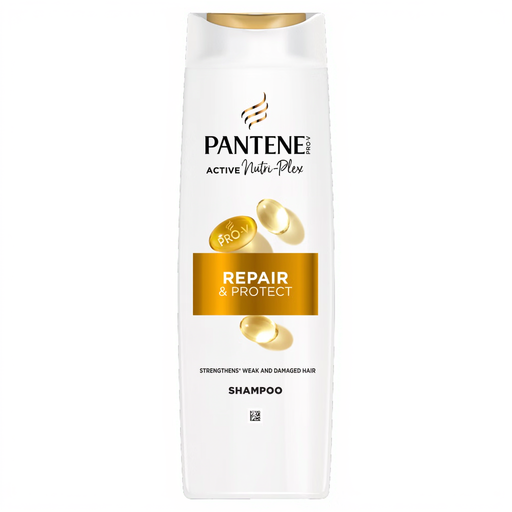
Why This Fits Their Persona: A practical everyday option for shoppers seeking a repair shampoo for styling-related dryness and reduced smoothness without moving immediately to a specialist salon formula.
Its listing clearly identifies a silicone-free formula, while the ingredient list also allows buyers to see that it contains Sodium Laureth Sulfate for cleansing.
325ml bottle; includes panthenol, glycerin and conditioning polymers; designed for use with a matching conditioner.
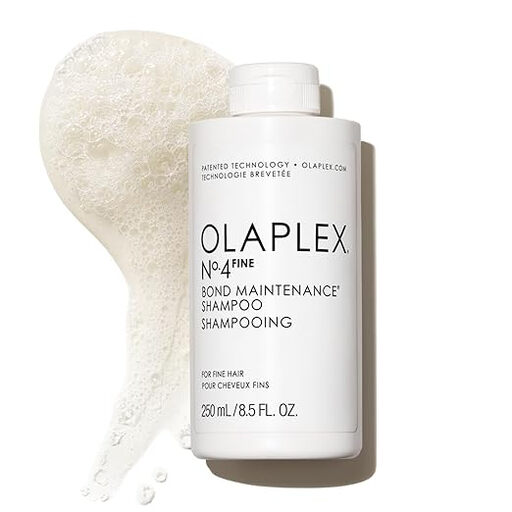
Why This Fits Their Persona: Suitable for fine hair that needs a lightweight wash alongside support for everyday damage from brushing, colouring or heat styling.
The product is specifically positioned for fine hair, helping shoppers avoid selecting a rich repair formula that may leave delicate strands feeling heavy.
250ml concentrated formula; listed as vegan and colour-safe; formulated without silicones, sulphates, parabens or protein.
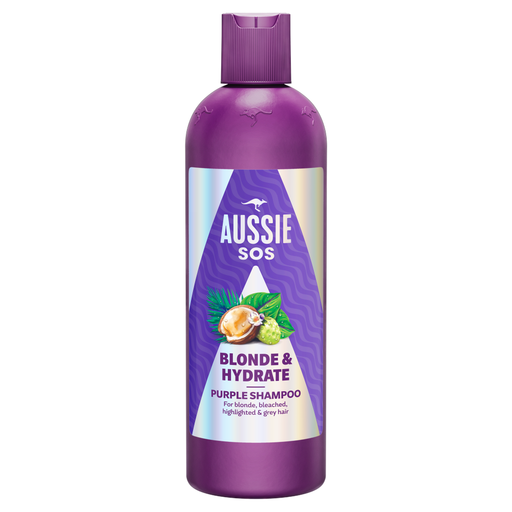
Why This Fits Their Persona: A specialist choice for bleached, highlighted, blonde, platinum or grey hair where reducing visible yellow or brassy tones is a priority.
Its directions specify a three-to-five-minute contact time, making the toning process easier to control than leaving purple shampoo on indefinitely.
300ml bottle; contains purple pigment; listed as vegan and made with 95% natural-origin ingredients.
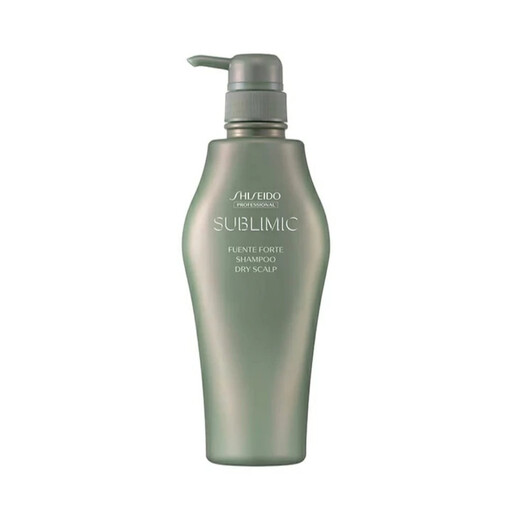
Why This Fits Their Persona: Designed for shoppers who wash frequently, share products at home or want a large-format shampoo for dry hair and dry scalp routines.
The product information identifies its intended dry-scalp use and provides a 1,000ml size, so buyers can assess suitability and quantity separately.
Large 1,000ml bottle; includes glycerin and arginine; directions focus on thorough scalp cleansing and rinsing.
We have compiled a complete, real-time list of products that fully satisfy these strict selection criteria and UK safety regulations.
There is no single schedule for everyone. Oily scalps, regular exercise and heavy styling may require more frequent washing, while dry, curly or coily hair may be washed less often. Choose a formula that leaves the scalp comfortable and the lengths manageable rather than following a fixed routine.
A sulphate-free shampoo may feel more comfortable for some people with dry hair or a dry scalp, but the label alone does not determine performance. Compare the complete cleansing system and conditioning ingredients, and consider whether the product removes your normal oils and styling products effectively.
Follow the specific product directions. Purple shampoo is generally intended to manage warm-looking tones, not necessarily to replace everyday shampoo permanently. Alternating it with a regular shampoo for blonde hair, grey hair or colour-treated hair can make tonal maintenance easier to control.