
24/7 Customer Support

Free returns

Same-day & Next-day Delivery

Quality Guaranteed

Unlock Your Welcome Offers: FREE Delivery | Up to 80% OFF | Free 30-day JoyPlus trial
Download the APP
Soup is a convenient cupboard essential, but choosing the right one involves more than selecting an appealing flavour. UK shoppers now have a wide range of options, including tinned soup, tinned soup, instant miso soup, organic soup, vegan soup, soup mixes and age-specific baby food pouches.
The main challenge is matching the product to your household’s actual needs. A quick lunch for one person has different requirements from a family dinner, while baby food requires careful attention to age guidance, texture, ingredients and storage.
Nutrition tables are usually shown per 100g, but a tin or pouch may contain considerably more. A 400g tin, for example, can provide several times the listed amount of salt, energy or protein when eaten as a full meal.
Check both the per 100g and per pack figures where available. This is particularly important for instant miso soup and soup bases, as concentrated products may have a higher salt content before dilution.
Words such as vegetarian, vegan, organic or gluten-free can help narrow your search, but they do not replace reading the ingredient list. Japanese miso soup commonly contains soybeans, while some varieties also include fish, wheat or bonito extract.
Likewise, vegan soup may contain wheat or soya, and a vegetarian soup can include milk, celery or other regulated allergens. Always check the current packaging, including statements about possible traces.
Some products only require hot water, while others are a soup base or soup mix designed for cooking with meat, vegetables or additional liquid. A Jamaican-style chicken soup mix, for instance, may require simmering with chicken and root vegetables for 45–60 minutes.
Read the preparation instructions before buying. This prevents choosing a cooking ingredient when you need a ready-to-eat soup for work, travel or a quick evening meal.
For a simple ingredient profile, compare the first several ingredients in the list. Organic soup options such as Suma Organic Tuscan Bean Soup use beans, tomatoes and vegetables as prominent ingredients, while other recipes may rely more heavily on starches, flavourings or seasoning.
For plant-based diets, confirm whether the product is explicitly vegetarian or vegan. Marukome’s vegetarian wakame varieties use kelp and shiitake-based flavouring rather than meat or fish dashi, but the label should still be checked before purchase.
If you need gluten-free soup, look for a clear statement on the product packaging rather than assuming that rice, miso or vegetables automatically make a recipe gluten-free.
Soup can be a light side dish, a starter or a complete meal. Compare the pack size and ingredients with how you intend to use it.
For products with higher salt values, use the stated serving size and follow the label’s preparation directions. Do not compare a concentrated powder directly with a diluted bowl without accounting for the added water.
Baby food must be selected according to the stated age range. Ella’s Kitchen Beef Stew 7+ Months is labelled for children aged seven months and over, whereas the 10+ Months version includes a more textured recipe for older babies and toddlers.
Check:
For example, the supplied directions for Ella’s Kitchen pouches advise keeping unused portions in the fridge for up to 24 hours. Always follow the packaging supplied with the product and check ingredients for allergens.
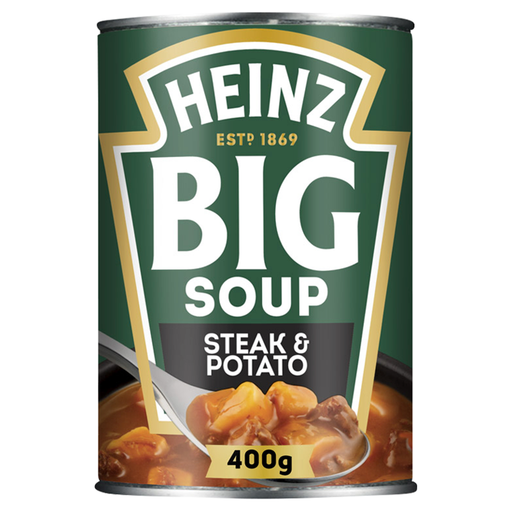
Why This Fits Their Persona: A practical choice for shoppers wanting a substantial tinned soup that can be served as a quick lunch or evening meal with bread.
The 400g format makes the intended portion easier to understand than a small concentrate or sachet. It is a ready-to-heat product rather than a soup mix.
Contains potatoes at 12% and beef at 10%; the label states no artificial colours or preservatives.
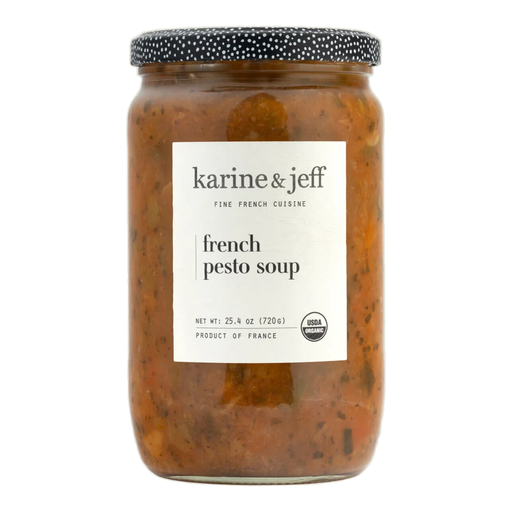
Why This Fits Their Persona: Suitable for households looking for a larger organic soup format with vegetables, beans, herbs and olive oil.
The ingredient list identifies white beans, carrots, potatoes, courgettes, turnips, green beans and leeks, making the recipe composition clear.
680g pack size; listed nutrition includes 3.3g fibre and 2.7g protein per 100g.
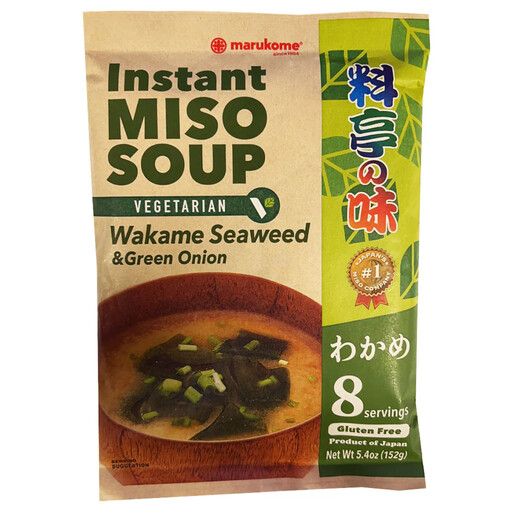
Why This Fits Their Persona: Designed for vegetarians who want a Japanese-style soup in minutes at home, at work or as a side dish.
The product information specifies that the dashi does not use meat or fish stock. It still requires checking the soy and possible gluten or sulphite warnings.
Includes wakame seaweed and a kelp-and-shiitake flavour base; the 152g pack is suitable for multiple servings.
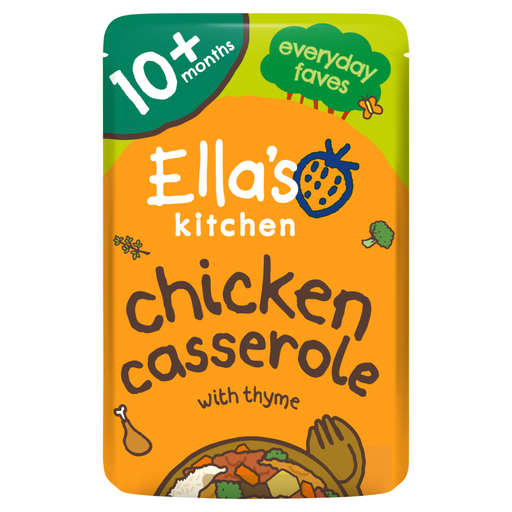
Why This Fits Their Persona: A portioned baby food pouch for families introducing more textured meals to children aged 10 months and over.
The age range and texture guidance are stated clearly. The pouch instructions also say not to microwave it and to refrigerate unused food for up to 24 hours.
190g portion; contains organic cooked rice at 17%, carrots at 23%, broccoli at 10% and chicken at 10%.
A vegan soup can provide a convenient plant-based lunch, but check whether the recipe contains wheat, soya or coconut. Suma Pea & Vegan Ham Soup, for example, contains wheat gluten and soya despite its vegan positioning.
For a lighter vegetable option, Baxters Vegetarian Country Garden Soup contains a 38% vegetable mix and is labelled free from cereals containing gluten, although it contains milk. A soup with seafood, such as Baxters Lobster Bisque, has clearly declared crustacean, milk, sulphite and celery allergens.
For cooking from scratch, Grace Cock Soup Mix and Hua Hai Shun Da Beef & Lamb Stew Mix are pantry ingredients rather than ready-to-eat soup. Follow their cooking instructions carefully, especially when adding raw meat.
We have compiled a complete, real-time list of products that fully satisfy these strict selection criteria and UK safety regulations.
Yes, most instant miso products only require hot water and stirring. Check the preparation volume, serving count and allergen information first. Some varieties contain fish extracts, while vegetarian versions may still contain soybeans and possible traces of gluten.
Follow the product label. Several supplied tinned soup products advise transferring leftovers to a suitable covered container, refrigerating below 5°C and consuming within two days. Do not store opened soup in the tin.
They are portioned convenience foods, but suitability depends on the child’s age, texture stage and individual dietary needs. Use the age guidance on the pouch, serve as directed and seek professional advice if your child has an allergy or specific nutritional requirement.