
24/7 全天候客户支持

免费退货

当日/次日达

品质保障

开启新人专享福利: 全场免邮 | 低至 2 折 | 免费试用 30 天 JoyPlus 会员
下载 Joybuy
Dry, tight or dull-feeling skin can make a hydrating facial serum an appealing addition to your routine. Hyaluronic acid serum ampoules are particularly attractive if you want measured doses, easy storage and a product that fits into a handbag, gym bag or carry-on.
However, attractive packaging and bold percentage claims do not always tell you whether a serum suits your routine. Before buying, check the formula, portion size and instructions carefully.
A label such as 5% hyaluronic acid serum may sound automatically superior, but percentages need context. Check whether the stated amount refers to pure hyaluronic acid or a wider complex, and look at the full INCI list. Ingredients such as glycerin, betaine, butylene glycol and polyglutamic acid can also contribute to a moisturising feel.
A formula may feel hydrating without being suitable for every skin type. If you are sensitive to ingredients such as niacinamide, botanical extracts or preservatives, review the complete list before purchase.
Single-use face serum vials are often marketed as a 30-day treatment, but the recommended frequency matters. The Noix de coco ampoules contain 30 vials of 1.0 ml, which provides 30 applications if used once daily. The product instructions also suggest one vial in the morning and one in the evening, which would make the supply last around 15 days.
Always calculate the cost per application rather than relying only on phrases such as “one-month supply”.
Individual packaging can reduce repeated exposure to air and handling, but it does not remove the need for sensible storage. Heat, direct sunlight and poor sealing after opening can still affect the product experience. A vial should be used as directed and discarded after use rather than stored for later.
Look for a clearly displayed INCI list and distinguish between sodium hyaluronate, hydrolysed hyaluronic acid and other forms of the ingredient. These may appear together in a multi-weight or multi-formula product, but the label should still be clear.
For a fragrance-free face serum, check that “parfum” or “fragrance” is not listed. Fragrance-free does not mean allergy-free: botanical extracts, niacinamide and other ingredients can still cause sensitivity in some users. A patch test is sensible when introducing any new skincare product.
A 1.0 ml ampoule offers a defined amount, which can help reduce over-pouring compared with a dropper bottle. It may also be useful for travel, commuting or post-gym skincare when carrying a glass bottle is inconvenient.
Consider whether you prefer portable skincare ampoules or a reusable bottle. Ampoules create more packaging waste, but they can be practical where hygiene and measured use are priorities.
A lightweight non-greasy serum is generally easier to layer under moisturiser and sunscreen. Apply a hydrating serum to clean, slightly damp skin, then follow with a moisturiser to help reduce moisture loss. If your skin is very dry, a richer cream may be needed rather than relying on serum alone.
Do not confuse a serum with a cleanser, exfoliant or sun protection product. A daily hydration serum supports a skincare routine but does not replace moisturiser or daytime sunscreen.
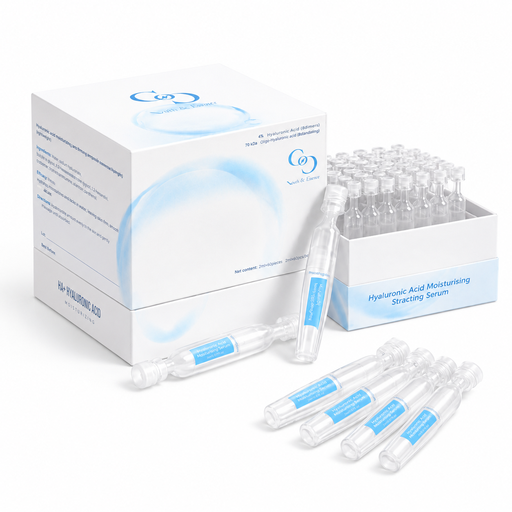
Why This Fits Their Persona: A measured 1.0 ml format gives newcomers a straightforward way to add a hydrating serum to a daily routine without committing to a larger bottle.
The box states the vial count and volume clearly, helping shoppers calculate whether once-daily or twice-daily use fits their budget.
30 individual 1.0 ml vials; the listed formula includes glycerin, betaine, niacinamide and sodium hyaluronate. No added parfum or fragrance is listed.
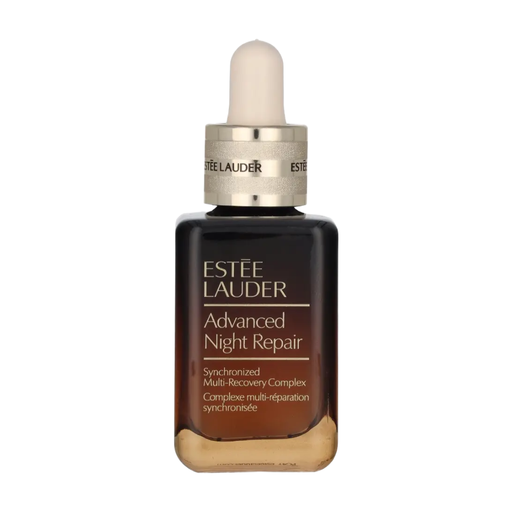
Why This Fits Their Persona: Suitable for shoppers who prefer a conventional 30 ml serum bottle and want hydration combined with a broader evening skincare routine.
The ingredient list and 30 ml bottle size are provided, so you can compare its format and formula with single-use alternatives.
Contains sodium hyaluronate and glycerin; the product description specifies an oil-free texture and morning-and-evening use.
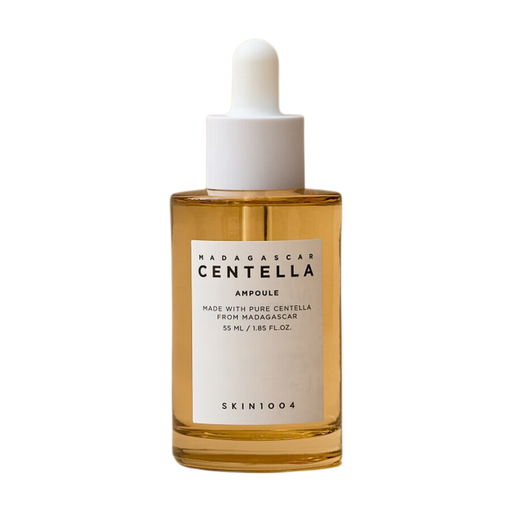
Why This Fits Their Persona: The 55 ml bottle and suggested two-to-three-drop application suit regular home use where a larger reusable format is more practical than individual vials.
The product information identifies a single-ingredient centella formula and gives a defined drop-based application rather than an unclear quantity.
55 ml capacity; watery texture described as lightweight, with a formula listing Centella Asiatica Extract.
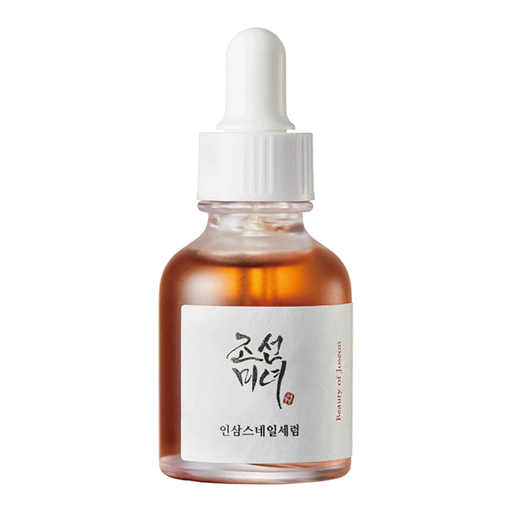
Why This Fits Their Persona: A 30 ml serum for shoppers seeking hydration alongside a lightweight, ingredient-led routine without added fragrance listed in the supplied product information.
The full ingredient list is supplied, including several hyaluronic acid forms, so buyers can assess the formula rather than relying on a single headline ingredient.
30 ml bottle; contains sodium hyaluronate, hyaluronic acid and hydrolysed hyaluronic acid alongside ginseng root water.
Avoid the eye area and broken or irritated skin. Perform a patch test before applying a new formula across your face, and stop use if persistent redness, itching, swelling or discomfort develops.
They can provide a water-based, moisturising step for dry or dehydrated skin, but a serum alone may not be enough. Follow with a suitable cream or lotion, especially during cold weather or in centrally heated homes.
A sealed vial is generally intended for one application. For the Noix de coco box, using one 1.0 ml vial daily gives 30 applications. Following the suggested morning-and-evening routine uses two vials per day, reducing the supply to approximately 15 days.
Individual sealed packaging can limit repeated contact with the remaining product and may be convenient when travelling. It also creates more waste and may cost more per application. Compare the volume, instructions and packaging before deciding which format suits your lifestyle.