
24/7 Customer Support

Free returns

Same-day & Next-day Delivery

Quality Guaranteed

Unlock Your Welcome Offers: FREE Delivery | Up to 80% OFF | Free 30-day JoyPlus trial
Download the APP
Dry, tight-feeling skin can make a skincare routine unnecessarily complicated. A serum may feel helpful at first, yet the bottle can become awkward to carry, the nozzle may collect residue, or the formula may leave skin sticky under sunscreen. Hyaluronic acid serum ampoules offer a practical alternative, particularly for travellers, gym-goers and anyone who prefers a measured amount for each application.
However, not every ampoule product delivers the same experience. Before buying, look beyond phrases such as “intensive hydration” and check the packaging, formula and intended use.
A product described as a 5% hyaluronic acid serum may refer to the brand’s stated formula positioning, but the percentage alone does not explain the complete ingredient balance, texture or suitability for your skin. Check the full INCI list rather than judging a product by one headline ingredient.
Hyaluronic acid may also appear under names such as sodium hyaluronate or hydrolysed hyaluronic acid. These are useful details to compare, but they do not guarantee a particular visible result for every user.
Individually sealed single-use face serum vials can reduce repeated contact with air and fingers. They are not automatically a medical or sterile product, however. Look for a sealed closure, clear opening instructions and suitable storage guidance. Discard each opened vial as directed rather than saving it for several days.
Humectants such as glycerin and hyaluronic acid help attract water to the skin’s surface. In a dry indoor environment or during colder UK weather, a serum may feel more comfortable when followed by a moisturiser. Buying a lightweight serum without planning a suitable cream or lotion can leave skin feeling tight again.
A useful hydrating facial serum should provide a complete ingredient list, not only a marketing description. For sensitive users, check for added parfum or fragrance, essential oils, alcohol and ingredients you already know may cause a reaction.
The Noix de coco ampoules list water, glycerin, butylene glycol, betaine, niacinamide, polyglutamic acid and sodium hyaluronate, among other ingredients. The product information states that no parfum or fragrance has been added, making it relevant to shoppers seeking a fragrance-free face serum. It also advises patch testing, particularly for users sensitive to niacinamide or plant extracts.
Each Noix de coco vial contains 1.0 ml, with 30 vials in the box. The stated format supports a simple 30-day hyaluronic acid treatment when used at one vial per day, although the product instructions also recommend one vial in the morning and one in the evening. At that rate, the box will not last 30 days, so check your preferred routine before ordering.
Look for a clearly stated volume and an opening method that suits your hands. A precisely measured ampoule can be more convenient than estimating the amount from a dropper, especially when packing toiletries for a flight.
Independent packaging can be useful for commuting, gym bags and carry-on luggage, but disposable plastics create more packaging waste than a refillable bottle. Balance hygiene and portability against sustainability preferences.
Before applying any cosmetic product, check the packaging for the ingredient list, batch information, expiry or period-after-opening guidance and manufacturer details. UK cosmetic products should have appropriate safety and labelling information; do not rely on a retailer description if the physical label differs. Avoid the eye area, use only on intact skin and stop if irritation develops.
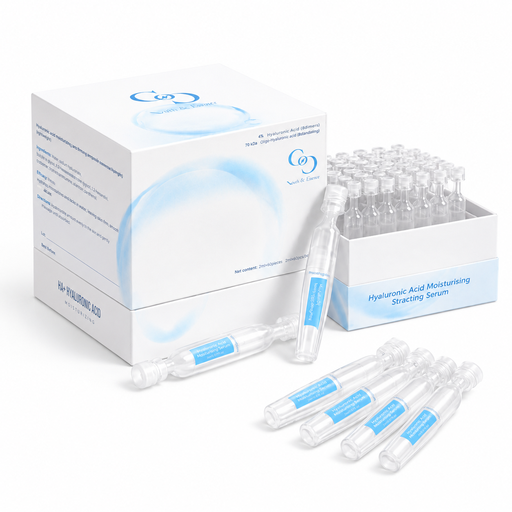
Why This Fits Their Persona: The 30-vial box provides a straightforward way to try an ampoule routine without committing to a larger facial skincare collection. Individual 1.0 ml vials suit a handbag, gym bag or short trip around the UK.
The stated 5% hyaluronic acid positioning is accompanied by a full INCI list, 1.0 ml dose and sealed individual packaging, making the key buying information easier to check.
30 individual vials; listed fragrance-free formula; lightweight, non-greasy serum format for face and neck.
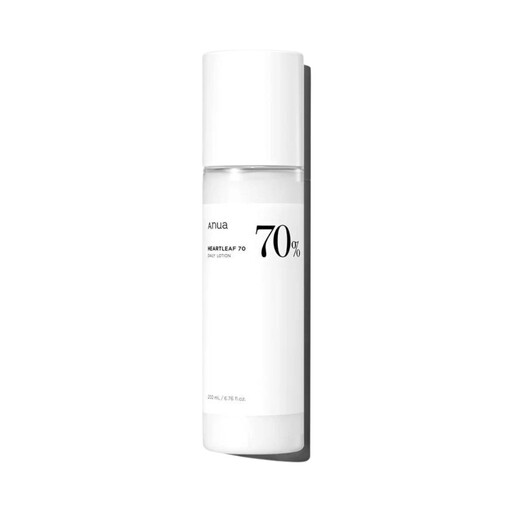
Why This Fits Their Persona: Users who prefer a larger everyday facial moisturiser may find the 200 ml pump-style lotion more practical at home than disposable vials, particularly for regular morning and evening use.
The ingredient list identifies several humectants and three hyaluronic acid forms, rather than relying on a single headline percentage.
200 ml size; lightweight lotion texture; includes sodium hyaluronate, hydrolysed hyaluronic acid and sodium acetylated hyaluronate.
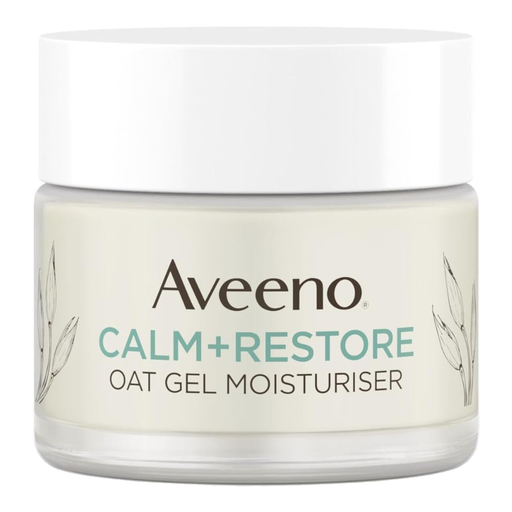
Why This Fits Their Persona: Frequent users who want a final moisturising layer after serum may prefer a compact gel moisturiser for a bedside routine, office drawer or overnight bag.
Its gel-cream format is designed to be used as a moisturiser, helping shoppers distinguish between a hydrating serum and the product needed to finish a routine.
50 ml travel-friendly size; fragrance-free listing; lightweight gel texture with glycerin and oat ingredients.
We have compiled a complete, real-time list of products that fully satisfy these strict selection criteria and UK safety regulations.
They can be used daily when the product label allows it and your skin tolerates the formula. Start with a small amount or less frequent application if you are sensitive, and patch test ingredients such as niacinamide or botanical extracts.
A sealed, single-use format limits repeated exposure to air, fingers and bathroom surfaces. It also creates more packaging waste. Hygiene depends on correct storage, clean application and disposing of each opened vial promptly.
Usually, no. A lightweight serum for dehydrated skin adds hydration, while a moisturiser can provide a more substantial layer to reduce moisture loss. If your skin remains tight after applying serum, add a suitable cream or gel moisturiser.