
24/7 Customer Support

Free returns

Same-day & Next-day Delivery

Quality Guaranteed

Unlock Your Welcome Offers: FREE Delivery | Up to 80% OFF | Free 30-day JoyPlus trial
Download the APP
Dryness, tightness and dull-looking skin can make a hyaluronic acid serum an appealing addition to a daily routine. However, not every product labelled “deep hydration” offers the same texture, ingredients or value. Comparing the formula, bottle size and supporting ingredients is more useful than relying on bold marketing statements.
This guide explains the main buying pitfalls, the specifications worth checking and suitable options for different UK skincare routines.
A product with a larger stated percentage of hyaluronic acid may sound more effective, but concentration alone does not describe the whole formula. Molecular weight, supporting humectants, preservatives and the overall texture also influence how a serum feels and layers.
For example, The INKEY List Hyaluronic Acid Serum lists 2% multi-molecular hyaluronic acid, while L’Oréal Paris Revitalift Filler Serum lists 1.5% pure hyaluronic acid. These figures should be treated as useful comparison points, not as a simple ranking system.
Hyaluronic acid is a humectant: it helps attract and hold water at the skin’s surface. A lightweight serum can leave skin feeling more comfortable, but it does not necessarily replace a moisturiser. Applying a suitable cream afterwards helps reduce moisture loss, particularly during cold, windy UK weather or in centrally heated rooms.
A serum for sensitive skin should be checked against the full INCI list rather than judged by its front label. Fragrance, essential oils, exfoliating acids and denatured alcohol may not suit everyone.
Clinique Moisture Surge Active Glow Serum, for instance, includes 5% lactic acid and gives specific advice to use sunscreen and limit sun exposure. OLAY Super Serum also contains an AHA and fragrance. These formulas may appeal to shoppers seeking a glow-focused or multi-benefit product, but they require more careful routine planning than a straightforward daily hydrating serum.
A multi-molecular or multi-weight formula contains forms of hyaluronic acid with different molecular sizes. This does not guarantee a particular result, but it can indicate that the brand has designed the product around different hydration points.
Also look for complementary ingredients:
A formula such as Biodance Hydro Cera-Nol Ampoule combines hyaluronic acid with ceramides, panthenol and niacinamide. By contrast, Mixsoon Glacier Water Hyaluronic Acid Serum has a shorter listed ingredient profile centred on water, butylene glycol and sodium hyaluronate.
A lightweight facial serum should spread easily and sit comfortably under moisturiser and SPF. Gel textures may suit combination or oily skin, while milky or richer ampoules can feel more suitable for dry skin.
If you apply foundation most mornings, check whether the product is described as fast absorbing and non-sticky. Applying too much of any serum can increase pilling, so begin with the amount stated on the packaging and allow each layer to settle.
Compare millilitres with the recommended daily amount. A 15ml bottle may be convenient for trying a formula or travelling, while a 300ml bottle is more appropriate for frequent use or repeated layering.
Single-use ampoules, such as Noix de coco Hyaluronic Acid Moisturising Serum, offer measured 1ml vials and portable packaging. They may be practical for gym bags or travel, although shoppers should consider the additional packaging and check the complete ingredient information before use.
For UK purchases, retain the packaging so you can check the responsible person details, batch information, shelf-life guidance and full ingredient list. Cosmetics should be used according to their label directions, and any irritation is a reason to stop use.
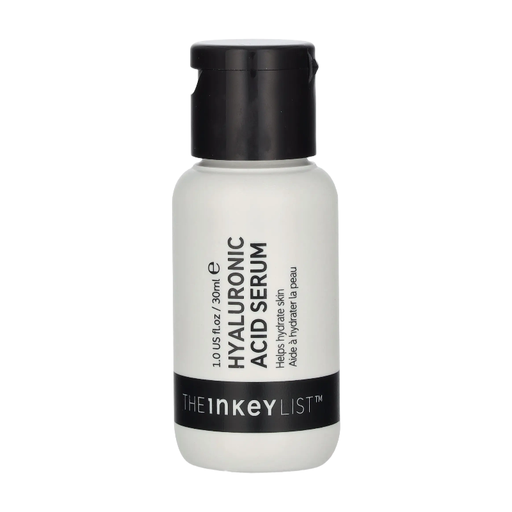
Why This Fits Their Persona: A 30ml format and lightweight texture make this a practical starting point for shoppers building a simple morning and evening routine.
The listed formula identifies 2% multi-molecular hyaluronic acid and includes glycerin, without relying on a vague “moisture magnet” description alone.
Fragrance-free according to the supplied product details; contains Matrixyl 3000 peptides; designed to layer under moisturiser.
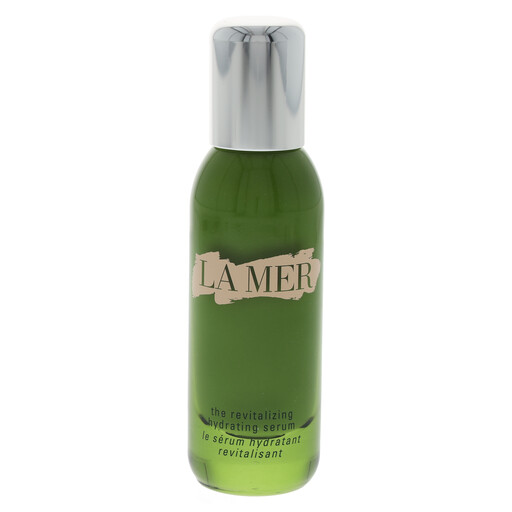
Why This Fits Their Persona: Suits shoppers who prioritise a premium skincare experience and a lightweight, oil-free serum texture.
Its ingredient list can be reviewed before purchase, including sodium hyaluronate, glycerin, algae extract and squalane, rather than judging the product only by luxury positioning.
Oil-free texture; supplied directions recommend one to two pumps morning and evening; includes sodium hyaluronate and squalane.
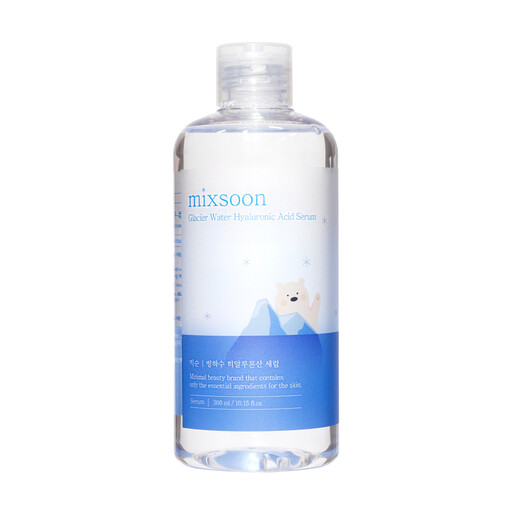
Why This Fits Their Persona: The large 300ml size is suited to frequent users who layer serum or want a generous bottle for a daily hydrating routine.
The unusually large capacity makes the value calculation clearer, while the listed ingredients identify three types of hyaluronic acid and glacier water.
300ml capacity; water-light texture; supplied directions allow repeated layering or use as a cotton-pad mask pack.
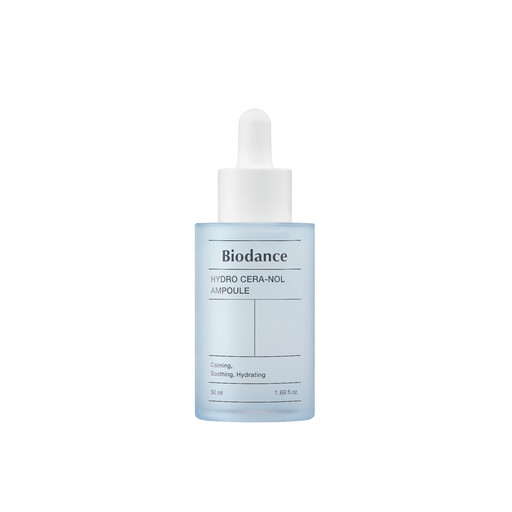
Why This Fits Their Persona: Its barrier-focused ingredient combination may appeal to adults who prefer a milky ampoule over an exfoliating or strongly fragranced serum.
It combines ceramides, panthenol and hyaluronic acid, so shoppers can assess the supporting ingredients rather than relying only on a “calming” label.
50ml format; includes ceramides, panthenol, niacinamide and hyaluronic acid; supplied warnings advise stopping use if rash, swelling or itching occurs.
We have compiled a complete, real-time list of products that fully satisfy these strict selection criteria and UK safety regulations.
Apply a few drops to clean, slightly damp skin, unless the product instructions specify otherwise. Press rather than aggressively rub, then follow with a moisturiser. In the morning, finish with broad-spectrum sunscreen, especially when using lactic acid, AHA or other exfoliating ingredients.
Introduce one new product at a time and perform a patch test where appropriate. Avoid applying serum to broken or irritated skin, and follow the product’s stated storage instructions. If persistent redness, itching or discomfort develops, discontinue use and seek suitable professional advice.
It can be a useful hydrating layer for dry or dehydrated skin, but it is usually more effective as part of a routine that also includes a moisturiser. Look for supporting ingredients such as glycerin, panthenol, ceramides or nourishing emollients if your skin feels tight.
Many formulas are designed for morning and evening use, but always follow the individual label. A simple serum containing humectants may be easier to use daily than one containing exfoliating acids. Introduce new products gradually if your skin is sensitive.
Sometimes, but the two products serve different purposes. A hyaluronic acid moisturiser combines hydration with a cream or lotion base, while a serum is generally lighter and designed to sit beneath other skincare. Choose one or both according to your skin’s comfort, the climate and how many routine steps you are likely to maintain.