
24/7 全天候客户支持

免费退货

当日/次日达

品质保障

开启新人专享福利: 全场免邮 | 低至 2 折 | 免费试用 30 天 JoyPlus 会员
下载 Joybuy
A hyaluronic acid serum can be a useful addition to a UK skincare routine when skin feels tight, flaky or dull. However, choosing one is not simply a matter of selecting the highest percentage on the label. Texture, supporting ingredients, fragrance and packaging can all affect whether a serum suits your skin and routine.
This guide explains the main buying pitfalls, the specifications worth checking and our top recommendations for different skincare needs.
Hyaluronic acid is a humectant, meaning it helps attract and hold water at the skin’s surface. A high stated percentage does not automatically mean a product will feel more comfortable or provide better results for every user. The overall formula, including glycerin, panthenol, aloe vera or barrier-supporting ingredients, also matters.
Some products use several forms of hyaluronic acid with different molecular sizes. This can provide varied skin feel and hydration characteristics, but marketing language about “deep penetration” should not be treated as a guarantee.
A moisturising serum is not usually a replacement for a cream or lotion. Applying a humectant serum to slightly damp skin, then following with moisturiser, can help reduce the tight feeling that some people experience after application. In cold, dry or centrally heated UK homes, sealing the routine with a suitable moisturiser is particularly practical.
“Hyaluronic acid” does not tell you whether a formula contains fragrance, denatured alcohol, essential oils or other ingredients your skin may not tolerate. Always check the current INCI list on the packaging. Ingredients and packaging may change, so the product label should take priority over older online descriptions.
Look for terms such as Sodium Hyaluronate, Hydrolysed Hyaluronic Acid or Sodium Hyaluronate Crosspolymer in the ingredient list. A blend may offer a different texture from a single-form formula, but the ingredient list alone cannot predict exactly how your skin will respond.
Helpful supporting ingredients include:
A lightweight gel is convenient for oily or combination skin and usually layers easily beneath sunscreen and make-up. Creamier formulas may be preferable for dry skin, particularly during colder months. If you use several products, check whether the serum absorbs without pilling or leaving a tacky finish.
For a serum for sensitive skin, a fragrance-free formula may be a sensible starting point. This does not guarantee that irritation will not occur, so patch testing is still advisable. If a product contains denatured alcohol high in the ingredient list, consider whether that matches your skin’s comfort needs.
Also check the packaging for a complete ingredient list, batch information, usage instructions and appropriate UK cosmetic labelling. Avoid applying facial serum to broken or irritated skin, and stop use if a rash, swelling or persistent irritation develops.
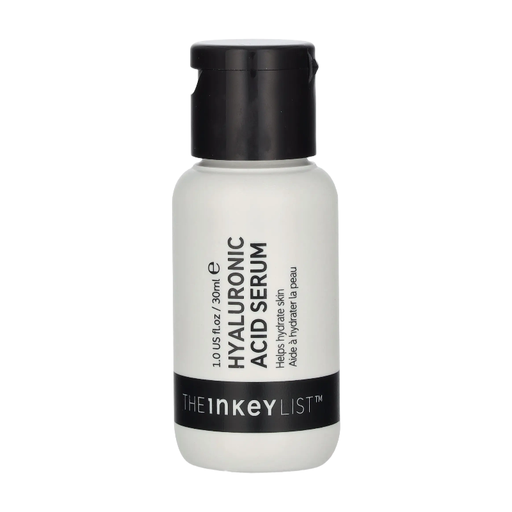
Why This Fits Their Persona: A straightforward option for beginners who want a lightweight hydrating face serum that can be used morning and evening before moisturiser.
The listed formula includes 2% multi-molecular hyaluronic acid and does not include added fragrance. Its ingredient list also includes glycerin and peptides, rather than relying on a single headline ingredient.
Lightweight, non-sticky texture; vegan, cruelty-free and fragrance-free according to the supplied product information.
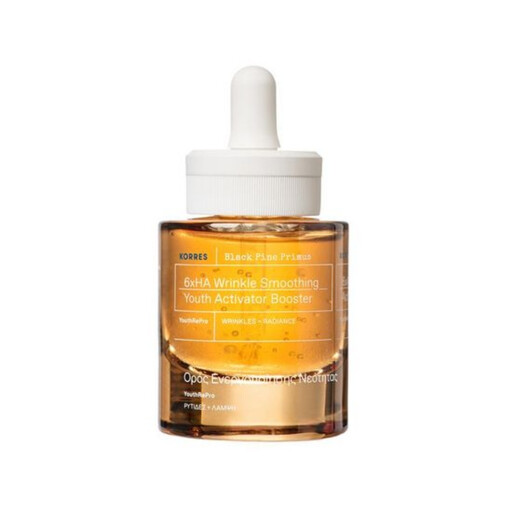
Why This Fits Their Persona: Suitable for shoppers wanting a more elaborate anti-ageing serum with a water-gel texture and several hyaluronic acid forms.
The product lists six types of hyaluronic acid alongside glycerin, betaine and Acetyl Hexapeptide-8, giving buyers more formulation detail than a vague “plumping” claim.
Six listed hyaluronic acid forms; lightweight water-gel format designed for use under a moisturiser.
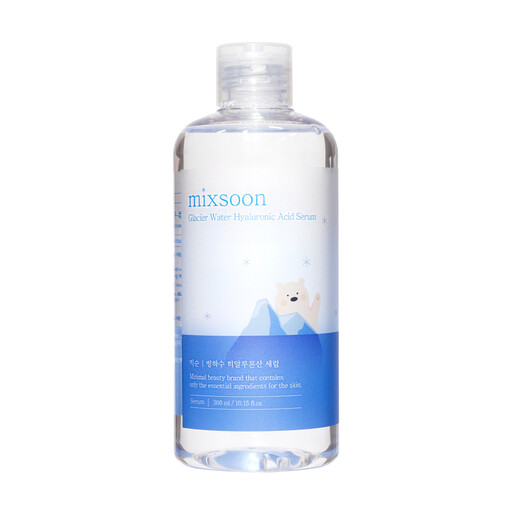
Why This Fits Their Persona: The 300ml format suits frequent users, layered routines or households that go through a hydrating serum quickly.
The larger volume makes the cost-per-millilitre easier to compare, while the short ingredient list helps shoppers avoid unnecessary extras.
300ml size; water-light texture with sodium hyaluronate listed in the formula.
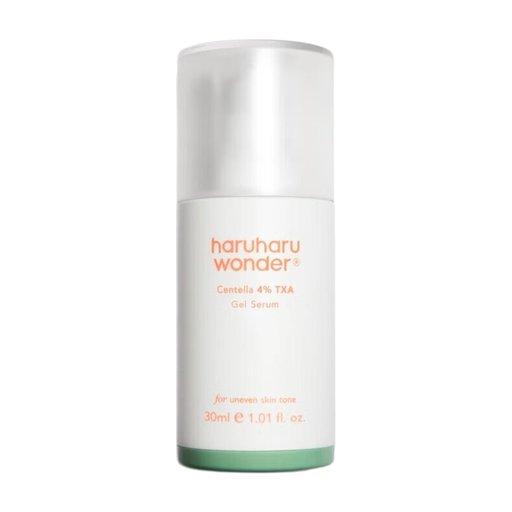
Why This Fits Their Persona: A Korean skincare serum for shoppers prioritising the appearance of dark spots, dullness and uneven tone alongside hydration.
The stated 4% tranexamic acid and 4% niacinamide concentrations provide clearer buying information than an unspecified “brightening complex”.
Centella ingredients are included; the supplied information states that the formula is free from artificial fragrance.
Introduce one new product at a time. A patch test on a small area can help identify obvious sensitivity before applying it across the face.
We have compiled a complete, real-time list of products that fully satisfy these strict selection criteria and UK safety regulations.
Many products are designed for daily morning and evening use, but follow the instructions on the individual packaging. If tightness, redness or irritation develops, reduce use or discontinue the product.
A hyaluronic acid skincare product is generally applied after cleansing and before moisturiser. The moisturiser helps form the final layer of the routine and can make a difference when indoor heating or cold weather leaves skin feeling dry.
Usage varies. Applying two or three drops once daily may make a 30ml bottle last considerably longer than using it twice daily or layering several applications. Compare the bottle size, recommended amount and price per millilitre rather than judging value by the product’s stated percentage alone.