
24/7 Customer Support

Free returns

Same-day & Next-day Delivery

Quality Guaranteed

Unlock Your Welcome Offers: FREE Delivery | Up to 80% OFF | Free 30-day JoyPlus trial
Download the APP
A hyaluronic acid serum can make skin feel softer, fresher and more comfortable, but not every bottle offers the same experience. UK shoppers often compare concentration percentages, molecular weights and anti-ageing language without checking the details that affect everyday use.
Three common traps are worth avoiding:
The right choice depends on your skin’s needs, preferred texture, packaging format and how easily the product fits into your routine.
Hyaluronic acid is a humectant, meaning it helps attract and hold water at the skin’s surface. A multi-molecular hyaluronic acid formula uses different forms or molecular weights, which may give a combination of surface moisture and a lightweight, layered feel.
However, marketing terms such as “7D”, “5D” or “multi-layer” are not universal technical standards. Read the ingredient list and product description rather than assuming the number proves superior performance. Ingredients such as sodium hyaluronate, hydrolysed hyaluronic acid and sodium acetylated hyaluronate are different forms commonly used in facial products.
A stated percentage can help with comparison, but it is only one part of the formula. Glycerin, betaine, panthenol, aloe vera and polyglutamic acid can also support a comfortable moisturising feel.
For an anti-wrinkle serum or plumping face serum, look for realistic wording. A hydrating formula may temporarily make skin appear smoother or fuller. It should not be selected on the assumption that it will reverse established wrinkles.
Where a brand refers to clinical or consumer research, treat that information as the brand’s own research rather than an independent guarantee. Always check the current packaging for the complete ingredient list and usage instructions.
A lightweight facial serum is usually convenient under moisturiser, sunscreen or make-up. Thicker milky formulas may suit skin that prefers a more nourishing finish, while watery textures can be useful for layering.
Size also affects value. A 15ml bottle may be suitable for trying a formula, while 30ml or 50ml bottles can be more practical for regular use. Single-use ampoules offer measured portions and portability, but create more packaging waste than a conventional bottle.
Apply a hydrating serum to clean, slightly damp skin, then follow with moisturiser. This helps reduce the chance of the surface feeling tight once the water-binding ingredients dry down.
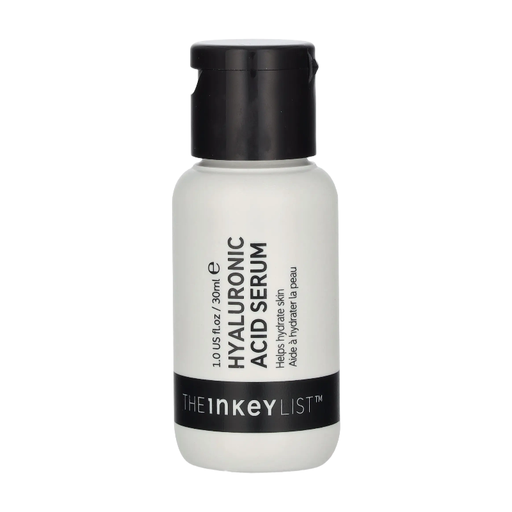
Why This Fits Their Persona: A 30ml format with a lightweight texture suits shoppers building a straightforward daily moisturising serum routine without a complicated product list.
Its product information identifies 2% multi-molecular hyaluronic acid and a fragrance-free formula, making the specification easier to assess than vague hydration wording.
30ml size; lightweight, non-sticky texture; includes Matrixyl 3000 peptides in the listed formula.
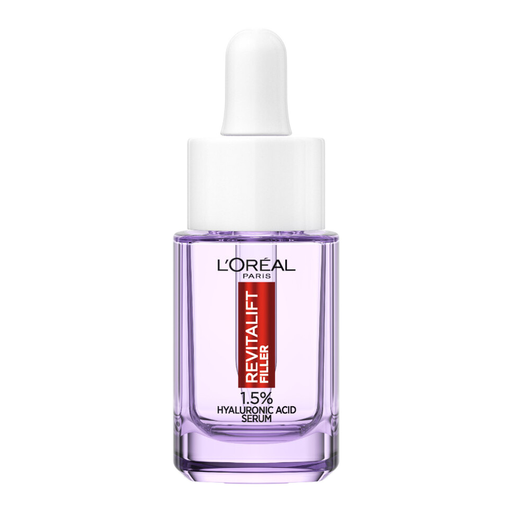
Why This Fits Their Persona: The compact dropper bottle works for shoppers who want a clearly specified serum to layer before day cream, night care or make-up.
The product lists 1.5% pure hyaluronic acid and three forms, while its 15ml size makes it possible to trial the formula before committing to a larger bottle.
Three listed hyaluronic acid forms; quick-absorbing, non-greasy texture; dropper application.
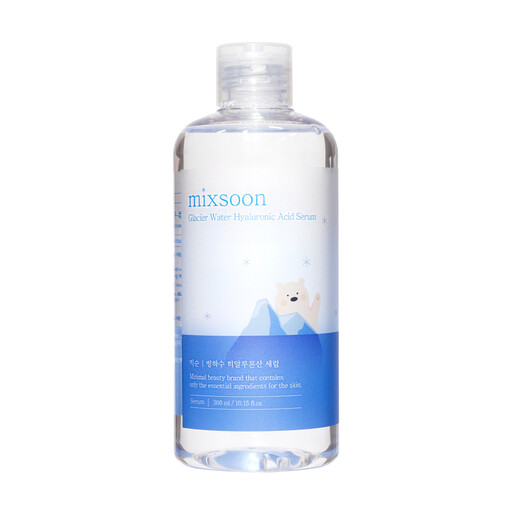
Why This Fits Their Persona: The 300ml size suits frequent users who layer serum, use it on dehydrated areas or prefer a generous format for long-term routines.
It clearly states the bottle size and lists three types of hyaluronic acid, helping heavy users compare the amount of product rather than focusing only on percentage claims.
300ml format; water-light texture; listed ingredients include glacier water and sodium hyaluronate.
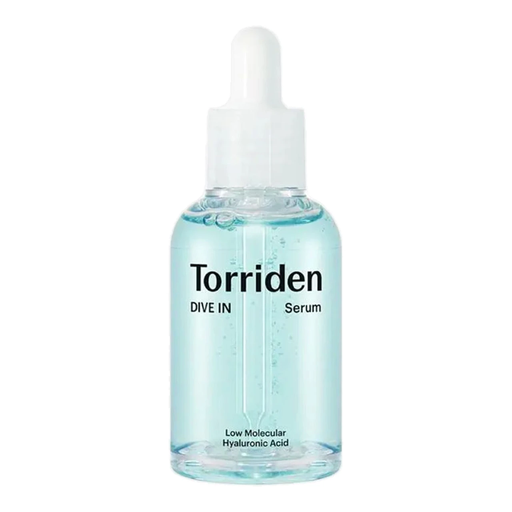
Why This Fits Their Persona: Its 50ml bottle and watery gel texture suit people who want to layer a serum under sunscreen or make-up without a heavy finish.
The listed formula is fragrance-free and alcohol-free, with panthenol, allantoin and several hyaluronic acid forms. Patch testing remains advisable for reactive skin.
50ml size; multiple listed hyaluronic acid forms; panthenol and allantoin included.
We have compiled a complete, real-time list of products that fully satisfy these strict selection criteria and UK safety regulations.
Before applying a new serum to your whole face:
It can support a comfortable, hydrated feel for dry or dehydrated skin, but it should normally be followed with moisturiser. A humectant serum alone may not provide enough lasting comfort, particularly in cold or dry indoor conditions.
Many products are designed for morning and evening use, but follow the directions on the packaging. Start once daily if your routine contains several new products, then increase usage if your skin remains comfortable.
This depends on the bottle size, dosage and frequency of use. A 15ml bottle may be suitable for a shorter trial, while 30ml, 50ml or 300ml formats are more appropriate for different levels of regular use. Store the product as directed and avoid leaving the container open unnecessarily.