
24/7 全天候客户支持

免费退货

当日/次日达

品质保障

开启新人专享福利: 全场免邮 | 低至 2 折 | 免费试用 30 天 JoyPlus 会员
下载 Joybuy
Dryness, tightness and a dull-looking complexion can make shopping for hyaluronic acid skincare surprisingly confusing. Serums, toners, moisturisers, sheet masks and face mists all promise hydration, but the most expensive option is not automatically the most suitable.
As the Joybuy Product Recommendation Officer, my role is to separate useful product information from vague marketing language. Before choosing a product, consider the formula, format, packaging and how it fits into your daily routine.
A product promoted with a high hyaluronic acid percentage may sound more effective, but percentage alone does not explain the full formula. The type of hyaluronic acid, supporting humectants, preservatives and texture also affect how the product feels and performs.
Look for ingredients such as glycerin, betaine, panthenol, sodium PCA or polyglutamic acid alongside hyaluronic acid. These can help create a more balanced hydrating face serum or toner.
Multi-molecular or multi-weight hyaluronic acid usually refers to different forms with varying molecular sizes. It can be a useful formulation detail, but it should not be interpreted as proof that a product reaches a particular skin layer or delivers medical results.
A more practical question is whether you prefer a light, watery texture, a cushiony essence or a richer cream that helps reduce moisture loss.
Hyaluronic acid is a humectant: it helps attract and hold water at the skin’s surface. Applying a hydrating serum without following with a moisturiser may leave skin feeling comfortable temporarily but does not replace a complete routine.
For skincare for dry skin or skincare for dehydrated skin, apply hyaluronic acid to slightly damp skin, then use a moisturiser. In the morning, finish with sunscreen according to its label directions.
Check the full INCI list rather than relying only on the front label. A simple hyaluronic acid serum may suit shoppers who want lightweight layering, while a formula containing ceramides, panthenol, beta-glucan or squalane may be more appealing when skin feels dry or when you are focusing on skin barrier care.
For sensitive skin hydration, consider fragrance-free options and be cautious with essential oils, alcohol or exfoliating acids if your skin is easily reactive. Always follow the product’s patch-test advice.
A 30ml serum may be convenient but can run out quickly if used generously. A 200ml toner or 300ml serum may offer better volume for regular layering, while single-use ampoules can improve portability and portion control.
Also check storage instructions, expiry information, batch details and the current ingredient list on the packaging. Product formulations can change, so the packaging supplied with your order should take priority.
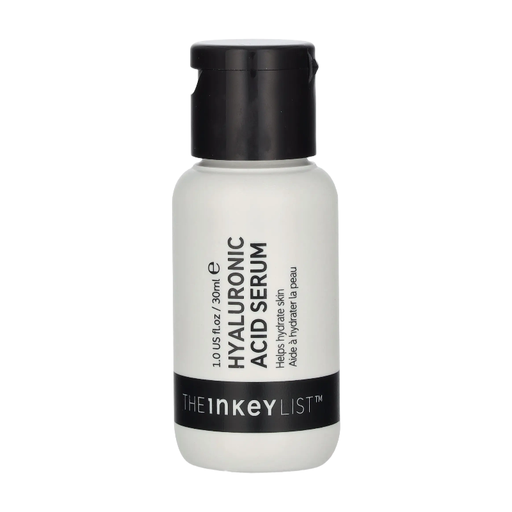
Why This Fits Their Persona: A compact serum format is straightforward for anyone building a first routine and suits layering under a daily moisturiser.
The ingredient list identifies 2% multi-molecular hyaluronic acid and a fragrance-free formula, making comparison easier than relying on vague hydration wording.
Lightweight texture; includes glycerin and peptide ingredients; vegan and cruelty-free according to the supplied product information.
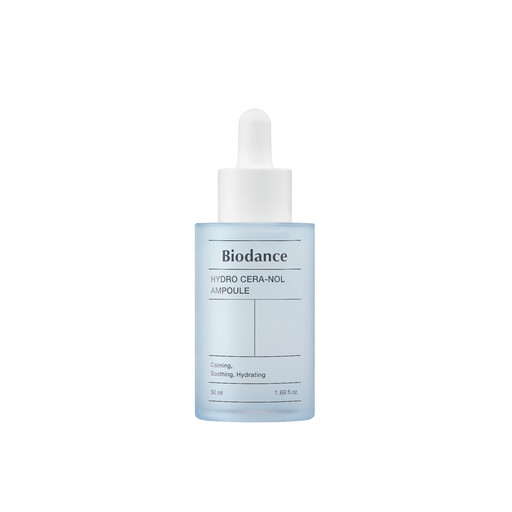
Why This Fits Their Persona: Its ampoule format and milky texture suit shoppers seeking a richer hydration step for dry-feeling or sensitive-looking skin.
Rather than relying on hyaluronic acid alone, the listed formula also includes panthenol, glycerin, ceramides and niacinamide.
Contains ceramides and multiple hyaluronic acid forms; designed for application after cleansing and toning.
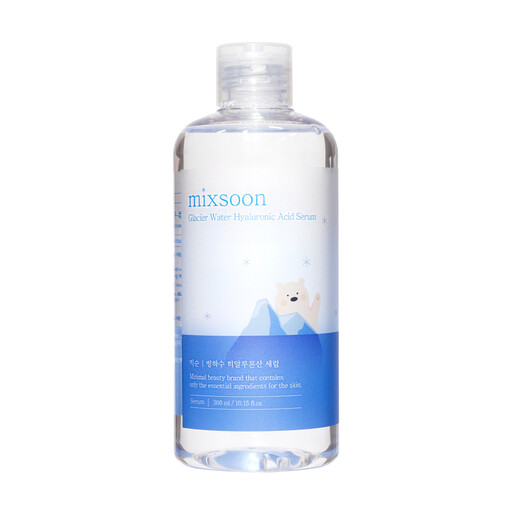
Why This Fits Their Persona: The 300ml size suits frequent users who layer serum or want a generous product for daily hydration at home.
The large volume is clearly stated, reducing the risk of mistaking a small bottle for a better-value daily option.
Water-light texture; includes glacier water and three listed types of hyaluronic acid; can be layered or used on cotton pads.
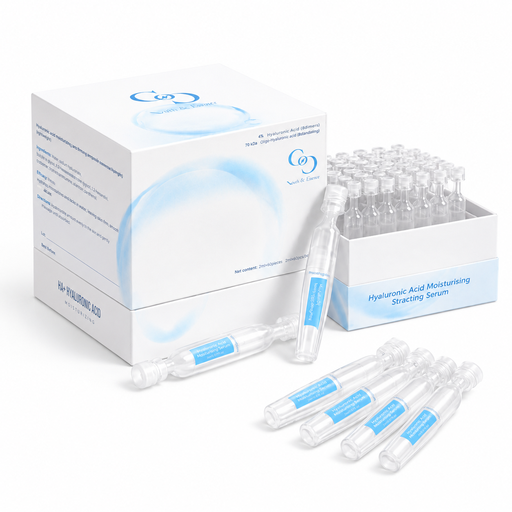
Why This Fits Their Persona: Individual 1ml vials are easy to organise in a gym bag, carry-on case or work bag without carrying a full-size dropper bottle.
Sealed single-use packaging addresses leakage and repeated air exposure, while each vial provides a stated 1ml portion.
Box contains 30 vials; the supplied information lists no added parfum or fragrance and includes glycerin, betaine and sodium hyaluronate.
We have compiled a complete, real-time list of products that fully satisfy these strict selection criteria and UK safety regulations.
Korean hyaluronic acid skincare often focuses on lightweight layering, while vegan hyaluronic acid skincare may appeal to shoppers checking animal-derived ingredients. Neither label replaces reading the complete ingredient list.
Many formulas are designed for sensitive skin, but suitability depends on the complete product. Fragrance, essential oils, preservatives and botanical extracts may matter if your skin is reactive. Patch test first and stop use if redness, itching, swelling or persistent irritation occurs.
Usually, apply a hyaluronic acid serum after cleansing and before moisturiser. Applying it to slightly damp skin can improve the comfortable, hydrated feel. Follow the specific product instructions, especially when combining several active products.
Lifespan depends on the product, packaging and storage conditions. Keep it away from direct sunlight and heat, close the container promptly and follow the period-after-opening or expiry information on the packaging. Single-use ampoules should be discarded after opening.