
24/7 Customer Support

Free returns

Same-day & Next-day Delivery

Quality Guaranteed

Unlock Your Welcome Offers: FREE Delivery | Up to 80% OFF | Free 30-day JoyPlus trial
Download the APP
Dryness, dullness and tight-feeling skin can make a face mask seem like an easy solution. Yet attractive packaging and phrases such as “deep hydration”, “lifting” or “instant glow” do not always tell you whether a product suits your routine. The right choice depends on the formula, wear time, sheet design and your skin’s tolerance.
This guide from the Joybuy Product Recommendation Officer focuses on practical details, helping you compare a hydrating face mask, Korean face mask, Japanese sheet mask or wash-off glow mask without relying on exaggerated promises.
A sheet mask can leave skin feeling softer and looking dewier because humectants and the remaining essence sit on the skin. That effect may fade if you do not apply a moisturiser afterwards. Ingredients such as glycerin, betaine and hyaluronic acid attract water, but they do not replace a complete skincare routine.
For a more comfortable result, apply a simple cream or lotion after removing the mask, particularly during colder or centrally heated UK weather.
“Sensitive” is not a universal guarantee. Fragrance, essential oils, alcohol, fruit extracts and exfoliating acids may still cause discomfort for some users. Always check the current packaging and full INCI list, especially if you have previously reacted to cosmetics.
Patch-test a small area first and avoid applying any mask to broken skin, active eczema, sunburn or irritated areas. Stop using it if persistent redness, swelling, itching or burning develops.
A sheet mask is not automatically more effective when worn overnight. Once the sheet begins to dry, it can feel tight and uncomfortable. Hydrogel products may have different wear times, while wash-off masks should not be left until they become completely dry and difficult to remove.
Follow the product directions rather than treating longer wear as better value.
Choose ingredients according to the result you want:
A close-fitting sheet helps keep essence in contact with the skin and reduces slipping. Japanese sheet masks often focus on shaped facial coverage, while Korean face masks commonly include hydrogel or cellulose formats. Check whether the design covers the jaw and chin, and whether the eye and mouth openings sit comfortably.
A large amount of serum is not automatically an advantage if the sheet does not fit your face or leaves excess liquid running into your eyes.
Compare the recommended application time with how you actually shop and use skincare. A five-minute daily mask may be more realistic than a product requiring several hours. Also check the number of sheets, storage instructions and whether a tub needs to be closed carefully to prevent remaining masks from drying out.
A product used consistently can offer better value than a larger pack that is forgotten in a bathroom cabinet.
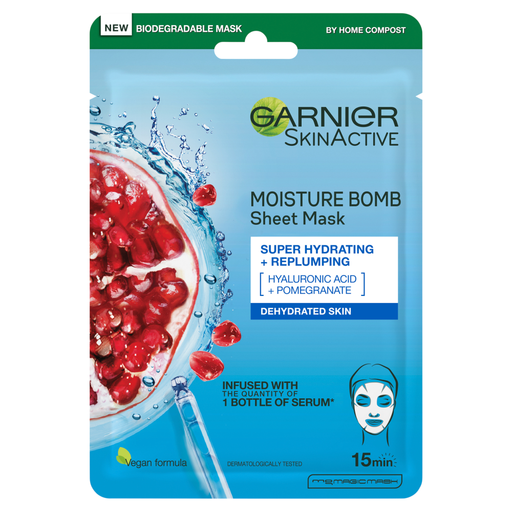
Why This Fits Their Persona: A straightforward single-use option for shoppers who want a quick hydration step before work, an evening out or a dry-weather skincare routine.
Its stated application time is 15 minutes, helping avoid excessively long wear. Check the INCI list if you are sensitive to alcohol, fragrance or limonene.
Contains glycerin, sodium hyaluronate and pomegranate extract; the tissue format is designed for a short, simple application.
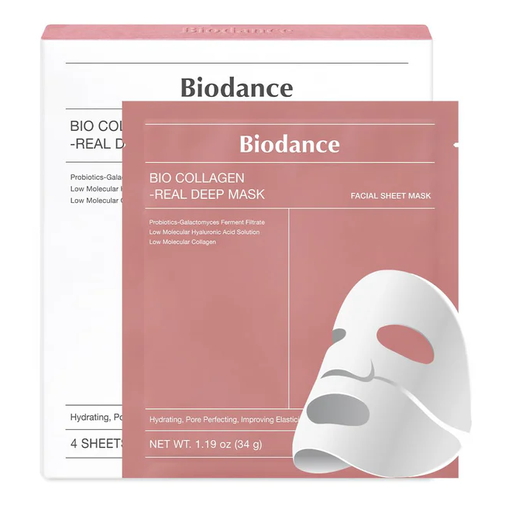
Why This Fits Their Persona: Suits shoppers who prefer a hydrogel treatment with a longer, planned self-care session rather than a quick daily sheet.
The directions specify daytime wear of 3 to 4 hours or overnight use, so it is clearer than a mask marketed vaguely as “deep acting”. Follow the packaging guidance.
A four-sheet hydrogel pack containing collagen extract, glycerine, niacinamide and hydrolysed hyaluronic acid.
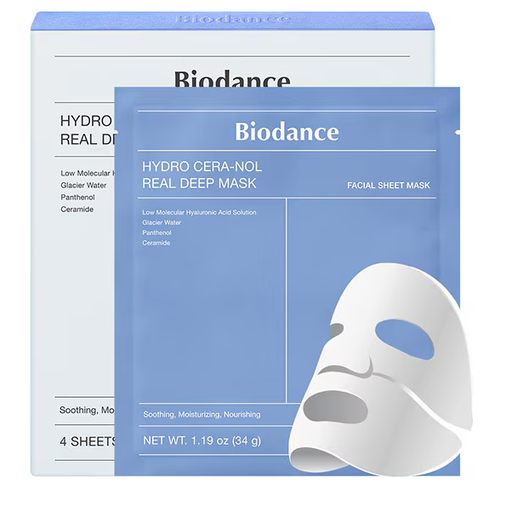
Why This Fits Their Persona: A considered option for shoppers prioritising a comfort-focused barrier support routine during dry indoor heating or seasonal weather changes.
The ingredient list identifies panthenol, several ceramides, cholesterol and multiple hyaluronic acid forms, allowing a more informed comparison than relying on the word “repair”.
Four hydrogel masks; the product directions say to remove the mask when it turns transparent and pat in the remaining essence.
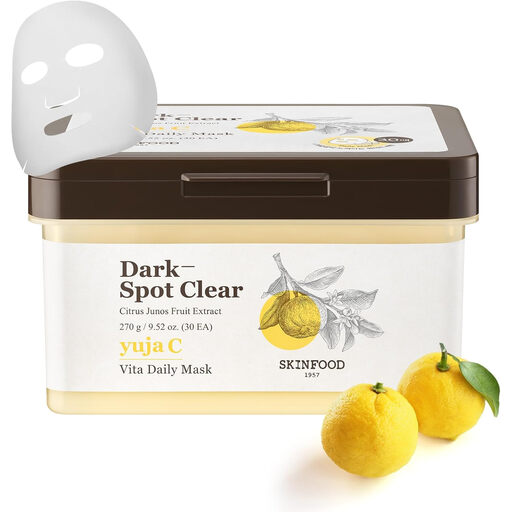
Why This Fits Their Persona: Suitable for shoppers who want a convenient Korean daily mask format for dull-looking skin and a short five-to-ten-minute routine.
Its stated wear time is short, and the formula lists niacinamide and sodium ascorbyl phosphate rather than depending only on a general “glow” description.
A 270g daily-mask format with yuja extract, niacinamide and a vitamin C derivative; use sunscreen during the day.
Many people use a hydrating face mask once or twice weekly, while some daily formats provide shorter application instructions. Follow the product label and reduce frequency if your skin feels congested, tight or irritated.
Yes, but choose carefully. A sensitive skin face mask should have a clearly listed ingredient profile that your skin has tolerated before. Fragrance, alcohol, citrus extracts and exfoliating ingredients may not suit everyone, so patch-testing is sensible.
Usually not. A mask can add temporary hydration and conditioning, but moisturiser helps reduce water loss after treatment. For dry or dehydrated skin, finish with a product suited to your normal skincare routine.