
24/7 Customer Support

Free returns

Same-day & Next-day Delivery

Quality Guaranteed

Unlock Your Welcome Offers: FREE Delivery | Up to 80% OFF | Free 30-day JoyPlus trial
Download the APP
Dry indoor heating, cold weather and long commutes can leave UK skin feeling tight, dull or uncomfortable. A hydrating face mask set offers a convenient at-home treatment, but not every multi-pack face mask provides the same fit, formula or value.
Before buying, look beyond phrases such as “deep moisture”, “lifting” or “glow”. The practical details—ingredients, wear time, sheet design and storage—usually have a greater effect on whether a mask suits your routine.
A saturated sheet can feel refreshing, but a watery formula may not provide enough emollient or barrier-supporting ingredients for very dry skin. Look for humectants such as glycerin, hyaluronic acid or panthenol, alongside ingredients that help reduce moisture loss.
A hyaluronic acid face mask may temporarily make skin feel plumper by increasing surface hydration. It still needs to be followed with a moisturiser if your skin regularly feels dry or tight.
Flat sheets often leave gaps around the nose, chin and jawline. If the material lifts away from the skin, the serum may dry unevenly and the treatment can become uncomfortable.
A Japanese 3D face mask or hydrogel face mask may offer closer contact, but check the actual construction and instructions. A close fit is useful for comfort and even coverage; it does not automatically make a formula suitable for sensitive skin.
Longer wear is not always more effective. Once a sheet dries, it may feel tight and can make the routine less comfortable. Hydrogel masks that become transparent may require several hours, while traditional sheet masks may be intended for around 10–20 minutes.
Always follow the product packaging. Do not sleep in a mask unless the instructions specifically allow overnight use, and discontinue use if burning, swelling, persistent redness or itching occurs.
For a sensitive skin face mask, a shorter ingredient list can make it easier to identify potential triggers. Fragrance, essential oils, alcohol and exfoliating acids may not suit everyone, particularly when the skin barrier is already unsettled.
Barrier-focused formulas commonly include ceramides, panthenol, allantoin, glycerin and hyaluronic acid. These ingredients have different cosmetic roles: humectants attract water, while ceramides and emollients help support a comfortable skin feel.
If you are considering a collagen face mask or anti-ageing face mask, treat words such as “firming” and “plumping” as descriptions of the expected cosmetic appearance and feel, rather than medical or permanent results.
Check whether the mask is:
A snug fit is particularly useful before applying make-up or during a pre-event skincare routine. However, a close-fitting sheet should still feel comfortable rather than restrictive.
A multi-pack face mask may offer better value than buying individual sachets, but only if you will use the products before their recommended shelf life. Check the batch number, storage instructions and ingredient list printed on the packaging.
Keep masks away from direct sunlight, excessive heat and damp areas. Individual sachets are generally practical for travel and help limit exposure once opened. Never reuse a disposable face mask.
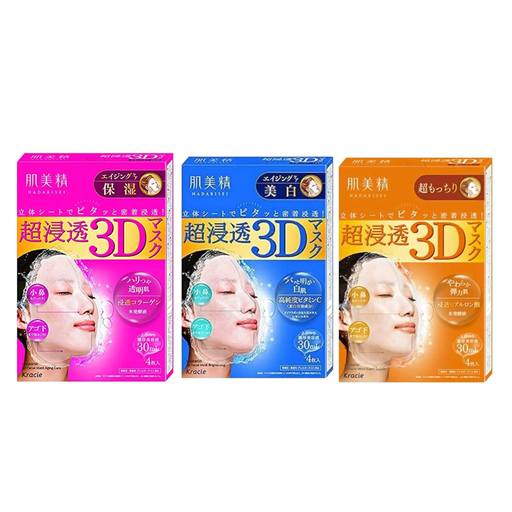
Why This Fits Their Persona: Three variants give beginners a practical way to compare brightening, moisturising and hyaluronic acid-focused options without committing to one formula.
The 3D design is intended to follow facial contours, helping reduce the gaps commonly found with flat sheets.
Includes 12 masks across three variants; ingredients listed include glycerin, collagen, hyaluronic acid or ascorbyl glucoside depending on the version.
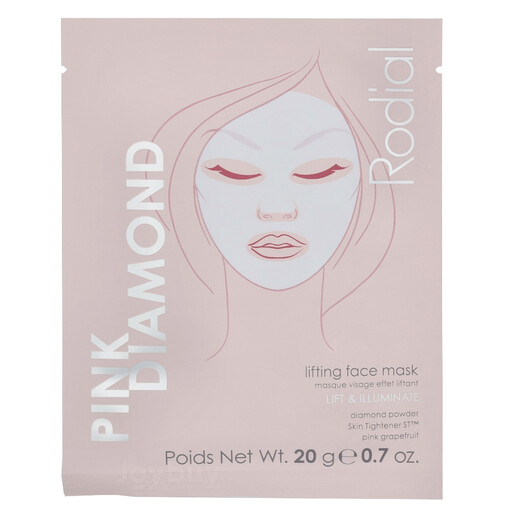
Why This Fits Their Persona: A suitable choice for someone wanting a four-mask ritual before an event or for an occasional pamper evening.
Its bio-cellulose format is described as a close-fitting second-skin style mask, rather than relying only on a large volume of serum.
Contains panthenol, sodium hyaluronate, grapefruit extract and plant-derived ingredients; the stated wear time is 15–20 minutes.
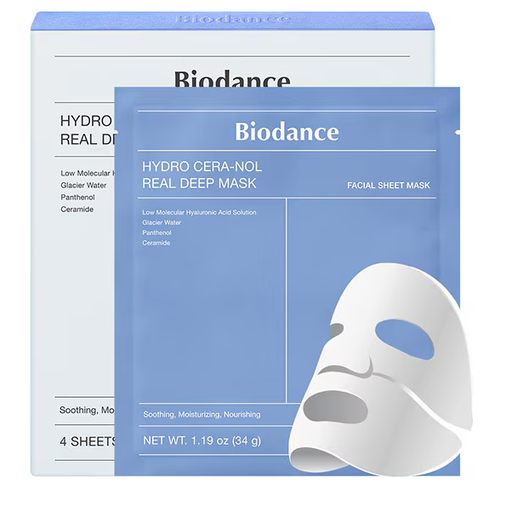
Why This Fits Their Persona: Designed for shoppers who prioritise a hydrogel texture and barrier-supporting ingredients when skin feels dry or sensitised.
The product instructions specify removing the mask when it turns transparent, helping prevent the over-wearing common with sheet treatments.
The ingredient list includes panthenol, several forms of hyaluronic acid and multiple ceramides; supplied as four individual masks.
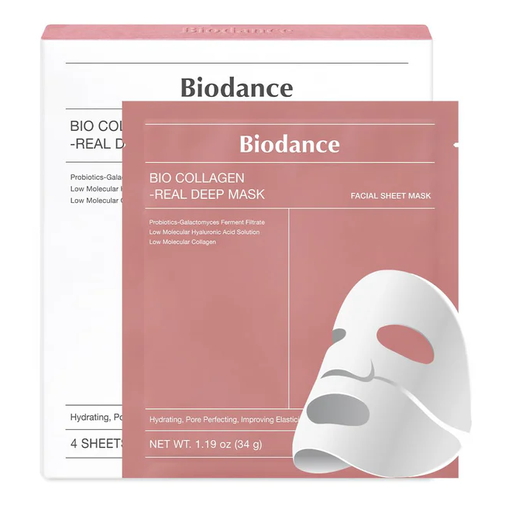
Why This Fits Their Persona: The longer wear guidance suits users who prefer an occasional intensive treatment rather than a short daily mask.
It provides specific daytime and overnight directions, reducing uncertainty about how long to keep the hydrogel mask on.
Contains collagen extract, hydrolysed hyaluronic acid and ferment ingredients; supplied as four sheets for occasional use.
We have compiled a complete, real-time list of products that fully satisfy these strict selection criteria and UK safety regulations.
For many sheet masks, one to three uses per week is a practical starting point. Follow the individual product instructions and reduce frequency if your skin feels irritated or congested. A sensitive skin face mask should be introduced one formula at a time.
Usually not. A mask can provide a temporary boost of surface hydration, while a moisturiser helps maintain comfort afterwards. Apply a suitable cream or emulsion after removing the mask when your skin feels tight.
They can be, but country of origin does not determine suitability. Check the complete ingredient list, avoid applying a new product to broken or inflamed skin, and patch test before regular use. Stop using the product if persistent redness, swelling, burning or itching develops.