
24/7 Customer Support

Free returns

Same-day & Next-day Delivery

Quality Guaranteed

Unlock Your Welcome Offers: FREE Delivery | Up to 80% OFF | Free 30-day JoyPlus trial
Download the APP
By the Joybuy Product Recommendation Officer
Dryness, tightness, dullness and uneven texture can make shopping for skincare confusing. Search results are full of promises about “deep” hydration, glow and firming, but a high price or an attractive ingredient name does not automatically make a face mask suitable for your routine.
The practical choice depends on the format, ingredients, wear time and your skin’s tolerance. Whether you are comparing sheet face masks, Korean face masks, Japanese face masks or an LED face mask, these checks can help you avoid wasting money.
Many hydrating face masks leave skin feeling immediately softer because they contain humectants such as glycerine or hyaluronic acid. This effect can be useful, but it does not replace a regular moisturiser. After removing a mask, apply a cream or lotion to help reduce moisture loss.
For dry skin, look beyond the front label. Ingredients such as ceramides, panthenol, shea butter, rice bran oil and hyaluronic acid can be more relevant than vague claims about “intensive care”.
Fragrance, alcohol, exfoliating acids and essential oils may not suit everyone. A product described as brightening or clarifying can be less comfortable when your skin is already reactive.
Check the complete ingredient list, not just the highlighted ingredients. If you have sensitive skin, consider a fragrance-free option and patch test before applying a new product to the entire face. Do not use a mask on broken, sunburnt or visibly irritated skin.
A sheet mask designed for 5–10 minutes is different from a hydrogel mask intended to become transparent over a longer period. Wearing a conventional sheet mask until it dries may leave the skin feeling tight. Similarly, an overnight or several-hour product may not suit shoppers looking for a quick weekday routine.
Always follow the instructions on the packaging. The product format, recommended wear time and pack size should match how you actually use skincare.
A sheet that sits closely over the cheeks, nose and jawline is less likely to lift while you move around. Japanese 3D masks can be useful if flat sheets leave gaps around the chin. Hydrogel masks generally feel more substantial and may stay in place well, but they can cost more per use.
Compare the number of applications rather than the price of one packet. A 10-sheet pack may suit weekly use, while a four-piece hydrogel pack may be more appropriate for occasional intensive care. For an LED face mask, also check charging, session duration, included accessories and the manufacturer’s usage instructions. It is a reusable device rather than a single-use skincare product, so convenience matters as much as the purchase price.
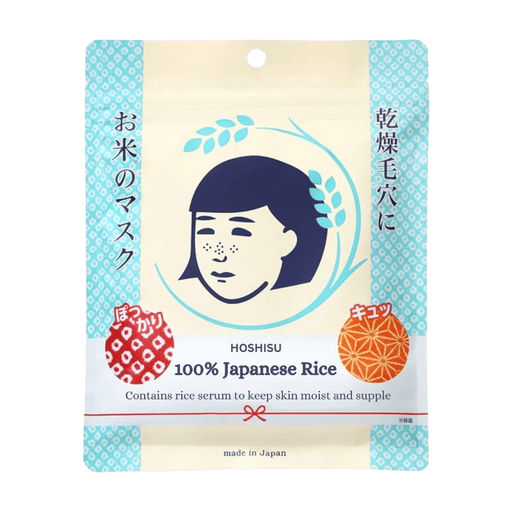
Why This Fits Their Persona: A 10-sheet pack offers a straightforward way to add a weekly Japanese rice mask to a UK skincare routine without committing to a device or longer-wear treatment.
The product specifies a 5–10-minute wear time and lists fragrance-free, colourant-free and mineral-oil-free features, making the routine and formula easier to assess.
Contains fermented rice extract, rice bran oil and glucosylceramide; made in Japan and supplied as 10 individual masks.
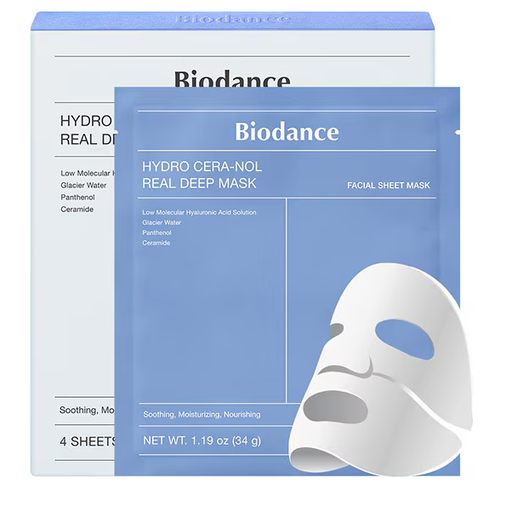
Why This Fits Their Persona: The hydrogel format suits shoppers who prefer a close-fitting, more substantial treatment for dry or sensitised-feeling skin.
Its directions state that the mask can be left on until it becomes transparent, rather than relying on guesswork about when to remove it.
Includes panthenol, hydrolysed hyaluronic acid and a five-ceramide complex, including Ceramide NP, AP and EOP; supplied as four masks.
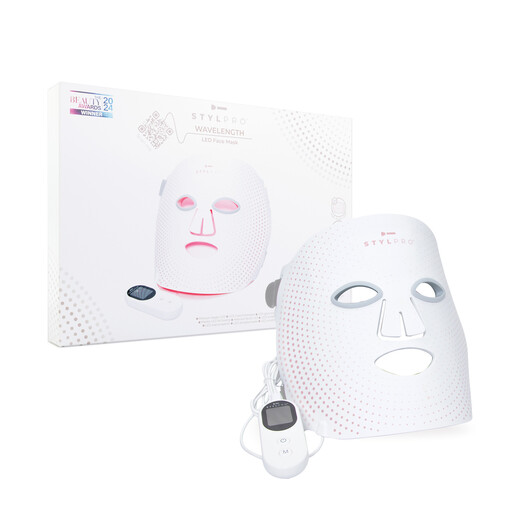
Why This Fits Their Persona: Suitable for shoppers who want a reusable home device and are prepared to follow regular sessions rather than buy single-use masks.
The listing gives practical specifications, including four modes, 360 LEDs, USB rechargeability and an approximately 10–15-minute session duration.
Offers red, blue and near-infrared light settings in a hands-free silicone and ABS wearable design.
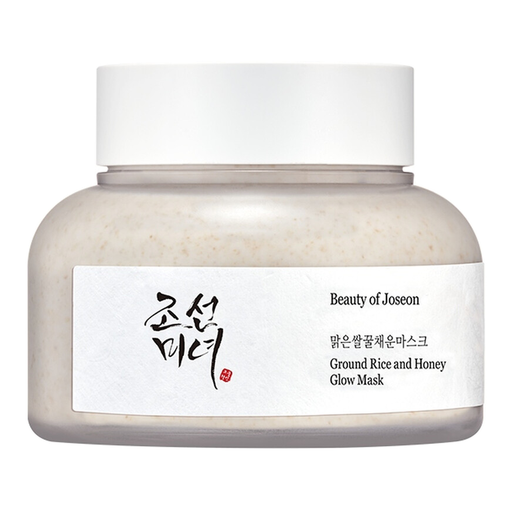
Why This Fits Their Persona: A wash-off Korean face mask works for shoppers who prefer a short treatment that combines moisture with gentle surface refinement.
The directions specify 5–10 minutes and advise not allowing the mask to dry completely, helping reduce the tight feeling associated with overlong clay-mask use.
Contains rice extracts, honey, kaolin and rice hull powder; the 150ml tub allows repeated applications.
We have compiled a complete, real-time list of products that fully satisfy these strict selection criteria and UK safety regulations.
For products containing vitamin C, fruit extracts or exfoliating ingredients, use sunscreen during the day. An LED face mask should be used only as directed, with the recommended eye protection or precautions where applicable.
Most sheet masks can be used once or twice a week, but the correct frequency depends on the formula and your skin. A simple moisturising mask may fit more often, while exfoliating or clay-based products are generally better used less frequently. Follow the product directions and reduce use if your skin becomes uncomfortable.
They can be, but suitability depends on the complete formula. Look for clear ingredient information and consider fragrance-free options. Patch test first, avoid damaged skin and remove the mask immediately if irritation develops.
An LED device has no recurring sheet-mask cost, but it requires charging, cleaning and consistent use. Compare the purchase price with how often you expect to use it. If you prefer an occasional moisture boost, single-use or multi-pack masks may be more practical; if you want a repeatable hands-free routine, a rechargeable device may suit you better.