
24/7 Customer Support

Free returns

Same-day & Next-day Delivery

Quality Guaranteed

Unlock Your Welcome Offers: FREE Delivery | Up to 80% OFF | Free 30-day JoyPlus trial
Download the APP
Dryness, tightness and a dull-looking complexion can make a quick skincare step feel more complicated than it needs to be. With so many hydrating face masks available, UK shoppers may find themselves comparing sheet materials, ingredient lists, pack sizes and claims about firmness or glow.
The right choice depends less on impressive packaging and more on how the mask fits your skin, routine and budget. This guide explains the key details to check before buying, followed by our top recommendations for different user profiles.
A heavily saturated sheet face mask can feel luxurious, but excess serum does not automatically mean it is suitable for your skin. A mask may also contain fragrance, alcohol or several botanical extracts that some users prefer to avoid, particularly when their skin feels uncomfortable or reactive.
Check the full ingredient list rather than relying only on words such as “intensive”, “deep” or “repair”.
A collagen face mask or hyaluronic acid face mask may leave skin feeling softer, smoother or temporarily plumper after use. These are cosmetic, short-term effects and should not be confused with a permanent change to wrinkles, firmness or skin structure.
Similarly, a brightening face mask may improve the look of tired or uneven skin temporarily, but it should complement rather than replace daily sun protection and a consistent skincare routine.
A poorly fitting sheet can lift around the nose and chin, leaving areas uncovered. A hydrogel mask may conform more closely, but it still needs to sit comfortably without pulling the skin.
Leaving a mask on for longer than the packaging states is not necessarily beneficial. Once a sheet dries, it may feel tight and uncomfortable. Follow the product directions, and do not sleep in a single-use mask.
For dehydration, look for humectants such as glycerin, hyaluronic acid, sodium hyaluronate and betaine, which help attract and hold water at the skin’s surface. A moisturising face mask containing panthenol or allantoin may be useful when skin feels dry or uncomfortable.
For a skin barrier-focused routine, ceramides, cholesterol and phytosphingosine are ingredients worth noting. They do not make a product a medical treatment, but they are commonly used in cosmetic formulations designed to support a comfortable, moisturised feel.
If you are looking for a sensitive skin face mask, consider fragrance-free options and review whether the formula contains alcohol, essential oils or exfoliating acids. Always follow the label warning and patch-test if advised.
Traditional cotton or cellulose sheet masks are usually lightweight and easy to use. Japanese face masks often focus on precise cutting, serum distribution and thin sheet materials, while Korean face masks commonly include hydrogel formats and close-fitting designs.
Hydrogel face masks can feel cooling and stay in place well, which is useful if you want to move around during a short treatment. Look for clear instructions on how the mask should be positioned and how long it should remain on the face.
A three-dimensional design may offer more coverage around the jawline and chin than a flat sheet. However, facial shapes vary, so a flexible fit is more important than a marketing description alone.
Single masks can be practical for occasional use or before an event, while packs of four, five, six or ten sheets may offer better value for a regular routine. Compare the total number of treatments rather than the packet size.
Check the product information for storage instructions, batch details, shelf-life information and the latest ingredient list printed on the packaging. Cosmetic products should only be used as directed, on intact skin, and discontinued if persistent irritation occurs.
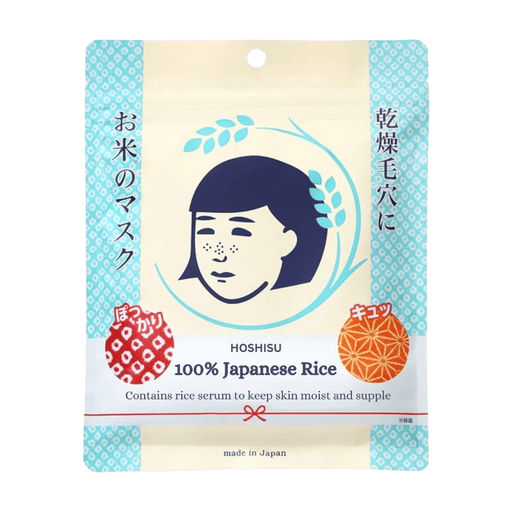
Why This Fits Their Persona: The 10-sheet pack suits shoppers building a regular weekly routine and those interested in a Japanese face mask format made in Japan.
The stated formula is free from colourants, fragrance and mineral oil, while the pack size makes it easier to assess cost per use.
Contains fermented rice extract, rice bran oil and glucosylceramide; each mask is individually packaged.
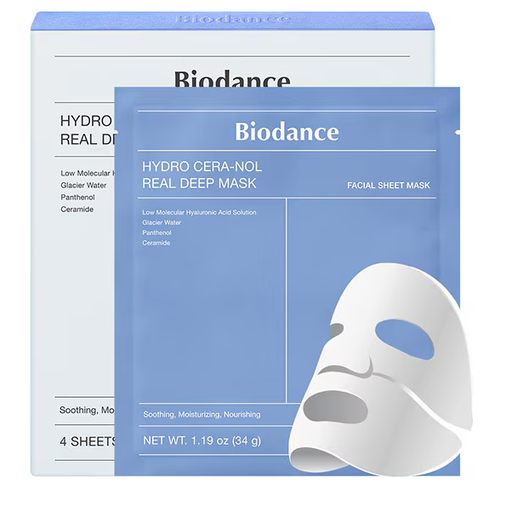
Why This Fits Their Persona: A suitable option for shoppers seeking a hydrogel texture and a ceramide-focused step for a dry-feeling or easily unsettled routine.
Its ingredient list identifies ceramides, cholesterol, panthenol and multiple forms of hyaluronic acid rather than relying only on broad hydration wording.
Hydrogel construction; four masks per pack; includes D-panthenol and a five-layer ceramide complex according to the product information.
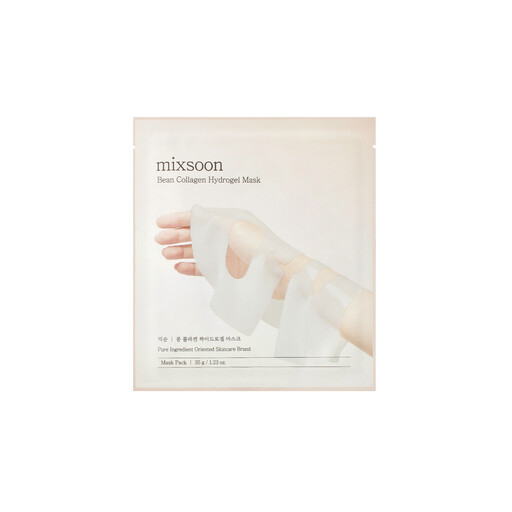
Why This Fits Their Persona: The extended wear format is designed for shoppers who prefer a longer at-home treatment rather than a five-minute sheet mask.
The directions specify waiting until the mask becomes transparent, helping users avoid guessing the treatment time or wearing it overnight.
Pack of five; hydrogel format; contains niacinamide, betaine and fermented soybean, barley, pomegranate and pear ingredients.
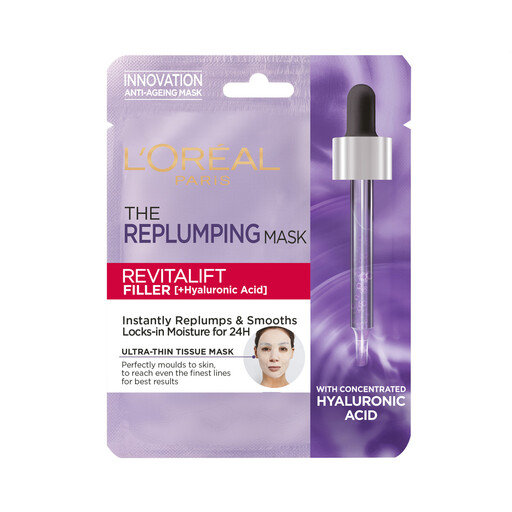
Why This Fits Their Persona: A single-piece format is convenient before an occasion, while the 15-minute direction fits a short evening or morning routine.
The format and stated wear time are clear, so occasional users do not need to commit to a multi-pack or extended treatment.
Contains glycerin and sodium hyaluronate; ultra-thin tissue design; supplied as one individually packaged mask.
Avoid applying masks to broken, sunburned or inflamed skin. If stinging, redness, swelling or persistent itching develops, remove the product and follow the packaging advice.
We have compiled a complete, real-time list of products that fully satisfy these strict selection criteria and UK safety regulations.
Many products are designed for one or two uses per week, but the correct frequency depends on the specific packaging directions and your existing skincare routine. A single-use mask is an occasional treatment, not a replacement for daily cleansing, moisturising and sun protection.
A sheet face mask should be used immediately after opening and then discarded. Unopened products should be stored according to the label, away from excessive heat and direct sunlight. Check the packaging for batch and shelf-life information before use.
Some are formulated without fragrance or colourants, but suitability cannot be guaranteed for every individual. Check the ingredient list, avoid damaged skin and carry out a patch test where the packaging recommends one. A sensitive skin face mask should be removed immediately if discomfort occurs.