
24/7 Customer Support

Free returns

Same-day & Next-day Delivery

Quality Guaranteed

Unlock Your Welcome Offers: FREE Delivery | Up to 80% OFF | Free 30-day JoyPlus trial
Download the APP
Dry, tight or dull-looking skin can make a simple skincare routine feel ineffective. Hydrating face masks offer a convenient at-home treatment, but the choice is wider than it first appears: sheet face masks, hydrogel masks, wash-off formulas, rice masks, collagen masks and freeze-dried treatments all work differently.
The packaging can also make selection harder. Phrases such as “deep hydration”, “glow” and “barrier repair” may sound similar, while the formula, wear time and application method vary considerably. Use this guide to compare practical features before spending money on a single-use product or multi-pack.
A moisturising face mask can leave skin feeling softer and looking temporarily fuller because water and humectants sit in or on the outer layers of the skin. This does not necessarily mean it has changed long-term skin structure. Claims around collagen, lifting or anti-ageing care should therefore be viewed as cosmetic appearance benefits rather than permanent results.
Look for the actual ingredients and intended use. Glycerin, betaine, panthenol and hyaluronic acid are commonly used to attract or hold moisture. Ceramides, cholesterol and phytosphingosine may be useful considerations when choosing a barrier repair face mask.
“Natural”, “Korean” or “Japanese” does not automatically mean a product will suit everyone. Fragrance, essential oils, alcohol, fruit acids and botanical extracts may be unsuitable for some users, particularly when the skin is already reactive.
Read the full ingredient list and check the product warnings. Even face masks for sensitive skin should be patch-tested on a small area first. Avoid applying any formula to broken, sunburnt, irritated or eczema-affected skin unless advised otherwise by a healthcare professional.
More time does not always mean more hydration. When a sheet mask dries out, it may become uncomfortable and can leave the skin feeling tight. Hydrogel masks may have a longer recommended wear time, but the instructions still matter.
Check whether the product is intended for five to ten minutes, several hours or overnight use. Keep the packaging instructions, storage advice and batch information available, particularly for products containing active ingredients.
Choose the format that fits your routine:
For dehydrated skin, compare the position of glycerin, hyaluronic acid, sodium hyaluronate, panthenol and betaine in the ingredient list. A hyaluronic acid face mask can provide a comfortable moisture-focused treatment, while ceramides are relevant when your priority is supporting the skin barrier.
If your skin is sensitive, check whether the formula is fragrance-free, colourant-free or mineral-oil-free where relevant. These descriptions do not guarantee compatibility, but they can help narrow the options.
Also look for ingredients that may not suit your personal routine. Lemon or other fruit extracts, exfoliating acids, alcohol and preservatives can be acceptable for many people but may cause discomfort for others. Follow the warning label and discontinue use if irritation develops.
A low-priced mask is not necessarily economical if it slips, tears or leaves excess essence unused. Compare the number of applications, the recommended frequency and whether each sheet is individually wrapped.
A multi-pack of four, six or ten masks may work well for regular weekly use. A 150ml wash-off mask may provide more applications, but it requires clean hands or a spatula and must be closed securely to prevent drying. For busy UK routines, application time and storage can be just as important as the ingredient list.
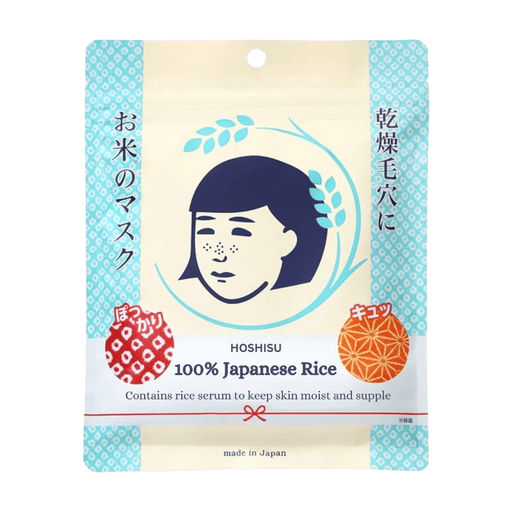
Why This Fits Their Persona: Ten sheets provide a practical way to build a weekly routine without committing to a single premium treatment. It suits shoppers interested in Japanese face masks and simple hydration care.
The listed formula identifies rice fermentation broth, rice bran oil, glucosylceramide and alpha-glucan rather than relying only on broad “glow” wording. It is also described as fragrance-free and colourant-free.
Made in Japan; ten individually packaged sheet masks; suitable for a five-to-ten-minute application.
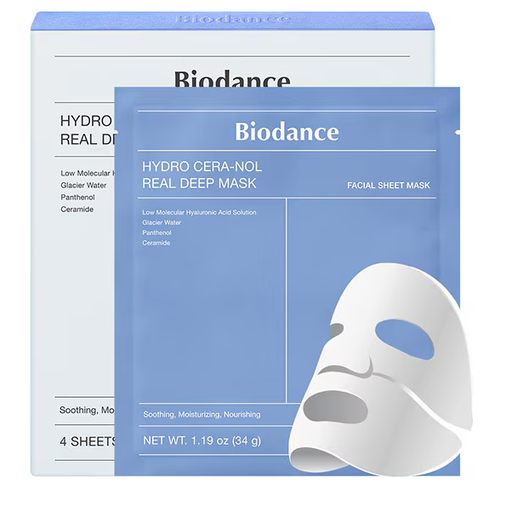
Why This Fits Their Persona: A hydrogel format is suited to shoppers who prioritise close contact with the face and a more intensive treatment on quiet evenings at home.
Its ingredient list gives specific details, including panthenol, several forms of hyaluronic acid and a ceramide complex. The directions also explain when to remove the mask rather than encouraging indefinite wear.
Hydrogel texture; four-mask pack; includes ceramides, panthenol and hydrolysed hyaluronic acid.
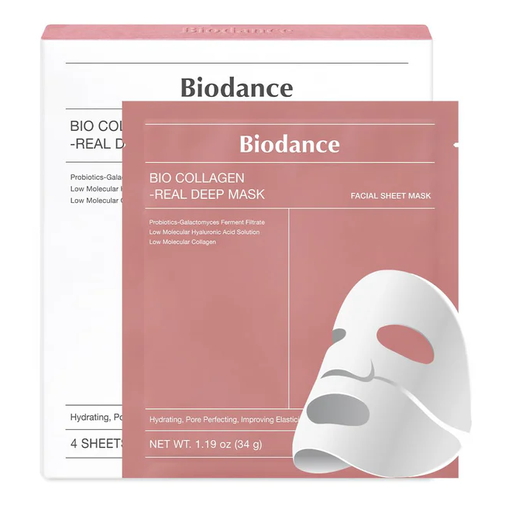
Why This Fits Their Persona: This is designed for shoppers seeking a longer treatment for dry, dehydrated or mature-looking skin, with daytime and overnight directions provided.
Rather than presenting collagen as a permanent structural solution, assess it as part of a cosmetic hydration and skin-feel routine. The product clearly states its extended wear instructions and warnings.
Hydrogel mask; four sheets; contains collagen extract, niacinamide and hydrolysed hyaluronic acid.
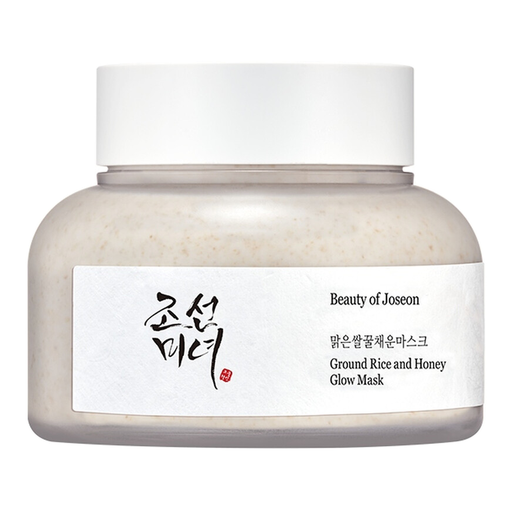
Why This Fits Their Persona: A wash-off Korean face mask suits users who prefer a reusable tub format and want hydration alongside gentle surface refinement once or twice weekly.
The product is not presented as a simple hydration mask: its formula includes rice hull powder, kaolin and honey, so shoppers can account for both exfoliating and cleansing elements before buying.
150ml wash-off format; rice and honey ingredients; five-to-ten-minute application.
We have compiled a complete, real-time list of products that fully satisfy these strict selection criteria and UK safety regulations.
Many sheet face masks can be used once or twice weekly, while some daily mask packs specify more frequent use. Follow the individual packaging instructions and reduce frequency if your skin feels stinging, tight or irritated.
A hydrogel texture may feel comfortable because it sits closely against the skin, but texture alone does not determine suitability. Check the full ingredient list, avoid damaged skin and patch-test before applying it across the face.
Usually not. A face mask is an occasional treatment, whereas a daily moisturiser helps maintain comfort between applications. For dehydrated skin, use the mask as an addition to a consistent routine rather than as a replacement for cleansing, moisturising and daytime sun protection.