
24/7 Customer Support

Free returns

Same-day & Next-day Delivery

Quality Guaranteed

Unlock Your Welcome Offers: FREE Delivery | Up to 80% OFF | Free 30-day JoyPlus trial
Download the APP
Dryness, tightness and a tired-looking complexion can make hydrating face sheet masks appealing. They are convenient, easy to store and useful before an event or as part of a weekly skincare routine. However, a high serum volume or attractive packaging does not automatically make a mask suitable for your skin.
This guide explains the features worth checking, common buying traps and our top recommendations for different skincare needs in the UK.
A sheet may feel saturated when you open the sachet, but the finish depends on the ingredients and how well they suit your routine. Look for familiar humectants such as glycerin, betaine, hyaluronic acid or sodium hyaluronate, which help attract water to the skin’s surface. For dryness linked to a weakened-feeling barrier, ingredients such as ceramides, squalane, panthenol and fatty lipids may be more relevant.
A collagen face mask can provide a conditioning, moisturised feel, while a brightening formula may contain ingredients such as vitamin C derivatives or niacinamide. These cosmetic benefits should not be confused with permanent changes to wrinkles, pigmentation or skin structure. Treat anti-ageing and brightening descriptions as a guide to the formula’s intended focus, not a guaranteed result.
A sheet that slips, leaves the jaw uncovered or dries out quickly can be inconvenient and may encourage over-wearing. Fragrance and essential oils can also be unsuitable for some people with sensitive skin. Always check the full INCI ingredient list, follow the stated wear time and patch test a new sensitive skin face mask if your skin reacts easily.
Match the ingredient profile to your immediate priority:
A Korean sheet mask may use a hydrogel or thin fibre sheet with a generous essence, while a Japanese face mask may focus on structured facial fit, jelly essence or short treatment times. The country of origin is less important than the actual ingredients, instructions and suitability for your skin.
Check whether the mask has a split design, chin coverage or a three-dimensional shape. Close contact helps reduce dripping and makes it easier to move around while wearing it. Hydrogel materials can feel more secure than lightweight paper-style sheets, but they may also be heavier.
A skincare mask multipack is practical if you already know your skin tolerates the formula. Single masks are more sensible for first-time purchases or occasional pre-event use. Compare the cost per sheet, rather than judging value by sachet size or the amount of visible essence.
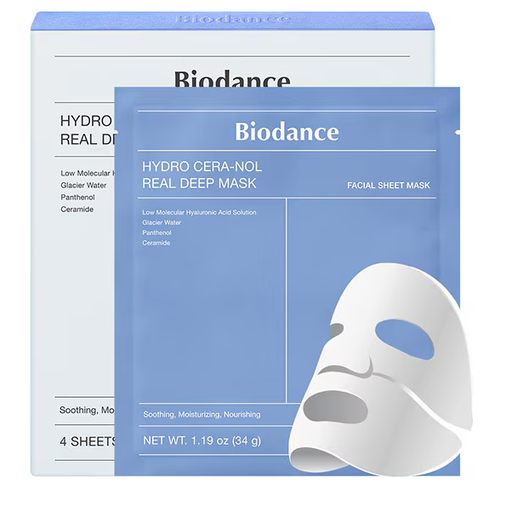
Why This Fits Their Persona: A considered option for shoppers wanting a hydrogel treatment centred on moisture-barrier ingredients rather than a single headline benefit.
Its listed formula includes panthenol, hydrolysed hyaluronic acid and several ceramides, allowing shoppers to assess the formula beyond packaging claims.
Hydrogel texture; pack of four; includes ceramide NP, NS, AP, AS and EOP in the listed INCI.
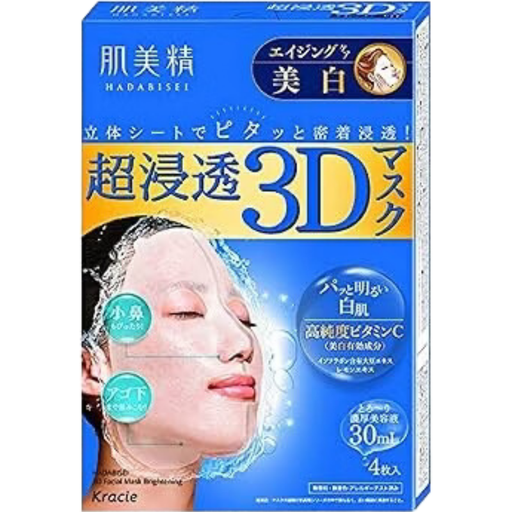
Why This Fits Their Persona: A four-piece Japanese face mask pack for shoppers seeking occasional hydration and radiance care without committing to a larger multipack.
The 3D construction is designed to cover facial contours and the chin, addressing the common fit problem of flat sheets.
Contains ascorbyl glucoside and soluble collagen; stated wear time is 5–15 minutes, or up to 20 minutes for very dry skin.
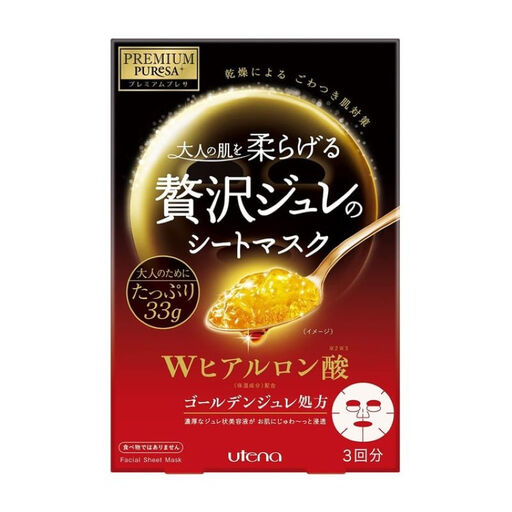
Why This Fits Their Persona: Suitable for shoppers who enjoy a longer, more substantial weekly treatment and want to assess a richer jelly texture.
The product specifies 20–30 minutes of use and lists its key moisturising ingredients, making the routine and formula easier to compare.
Contains dual hyaluronic acid, ceramide 2, squalane and eight listed amino acids; three sheets per pack.
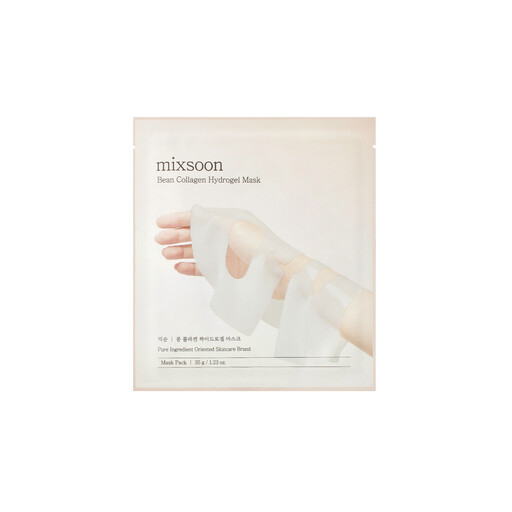
Why This Fits Their Persona: A practical skincare mask multipack for regular users who prefer an extended hydrogel session rather than a quick 15-minute application.
Its two-part hydrogel design is intended to sit around the eye and mouth areas, while the instructions give a clear 1–3 hour wear window.
Pack of five; hydrogel format; listed ingredients include glycerin, niacinamide, betaine and fermented extracts.
We have compiled a complete, real-time list of products that fully meet these strict selection criteria and UK safety regulations.
Once or twice weekly is a reasonable starting point, although the correct frequency depends on the product instructions and your existing routine. A single-use mask should never be reused.
Usually not. A sheet mask delivers a short treatment, while a moisturiser can help reduce moisture loss afterwards. For dry skin, follow the mask with a suitable cream or lotion if needed.
Some are formulated without artificial fragrance or colour, but sensitivity varies. Read the INCI list, avoid known triggers and perform a patch test before applying a new mask across your face.