
24/7 Customer Support

Free returns

Same-day & Next-day Delivery

Quality Guaranteed

Unlock Your Welcome Offers: FREE Delivery | Up to 80% OFF | Free 30-day JoyPlus trial
Download the APP
Dryness, tightness and a dull-looking complexion can make facial toner and essence shopping surprisingly difficult. Product pages often use similar phrases—“glass skin”, “deep hydration” and “barrier repair”—even when the formulas have very different textures, ingredients and usage requirements.
A sensible choice starts with the ingredient list rather than the front label. Whether you are looking for a Korean skincare toner, a hydrating toner for dry skin or a lightweight facial essence, these are the main buying pitfalls to avoid.
Some toners are watery and designed mainly to refresh skin after cleansing. Others are closer to a serum, with a viscous or milky texture that can provide more noticeable moisturising comfort. A product described as an “essence toner” may therefore feel substantially richer than a traditional toner.
For dehydrated skin, look for humectants such as glycerin, betaine, panthenol, sodium PCA, trehalose and hyaluronic acid. These ingredients help attract water to the skin’s surface, but a moisturiser is still useful afterwards to help reduce moisture loss.
A high percentage of rice extract, ginseng water or hyaluronic acid sounds impressive, but the number alone does not tell you whether the finish will suit your skin. Formula balance, texture and supporting ingredients matter just as much.
For example, a hyaluronic acid toner may contain several molecular forms, while a lighter brightening face toner may focus on niacinamide or vitamin C derivatives. Neither approach automatically suits everyone. Check the full ingredients list and consider how the product fits with your existing serum and moisturiser.
A toner for sensitive skin should be assessed carefully, particularly if your routine already contains exfoliating acids, retinoids or fragranced products. Some formulas include parfum, lavender oil or other aromatic ingredients, while others are fragrance-free.
Always read the current packaging before use. Patch testing is a practical precaution, especially for reactive skin. Stop using a product if redness, itching, swelling or persistent discomfort develops, and avoid applying facial products to broken or inflamed skin.
For dry or tight-feeling skin, prioritise a formula containing several types of moisturising ingredients rather than relying on one headline ingredient. Hyaluronic acid, glycerin, panthenol, beta-glucan and ceramides are common choices in a skin barrier toner.
Ceramide NP, for example, is a lipid used in skincare formulations to support the skin’s moisture barrier. Centella asiatica, oat extract and dipotassium glycyrrhizate are also frequently included in soothing formulas. These ingredients do not make a product a medical treatment, but they can offer useful cosmetic care for skin that feels dry or uncomfortable.
Choose a watery toner if you prefer a quick, weightless first step. An ampoule-style or milky toner may be more suitable if your skin feels tight in centrally heated homes, cold outdoor weather or air-conditioned workplaces.
If you use several products, check whether the toner absorbs cleanly without pilling. Layering one or two thin applications is often more comfortable than applying a large amount at once. Follow with serum and moisturiser, then use sunscreen during the day.
A 50ml facial essence may be convenient for travel, while a 200ml or 300ml toner can be more economical for daily morning-and-evening use. Compare the price per 100ml rather than the bottle price alone.
For UK shoppers, check that the packaging includes a complete ingredient list, usage instructions, warnings and appropriate cosmetic labelling. Keep the product away from direct sunlight and heat, and check the batch and shelf-life information supplied on the packaging.
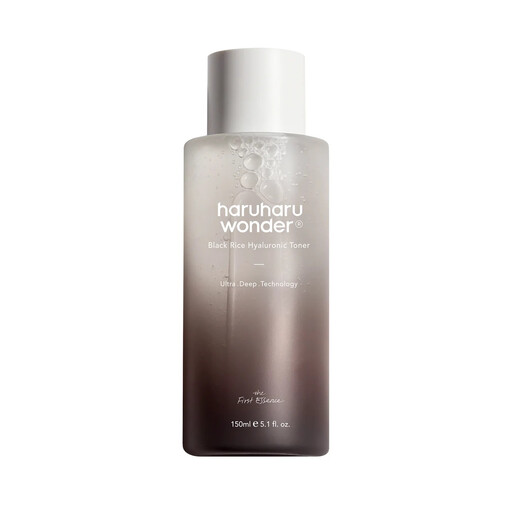
Why This Fits Their Persona: A straightforward lightweight toner for shoppers building a daily routine without choosing a heavy essence texture. Its 150ml format suits regular morning and evening use.
The product information clearly identifies its watery texture and ingredient list, helping shoppers distinguish a refreshing toner from a richer essence toner. It does contain alcohol and lavender oil, so sensitive users should check compatibility first.
Includes glycerin, hyaluronic acid and beta-glucan; lightweight, fast-absorbing finish.
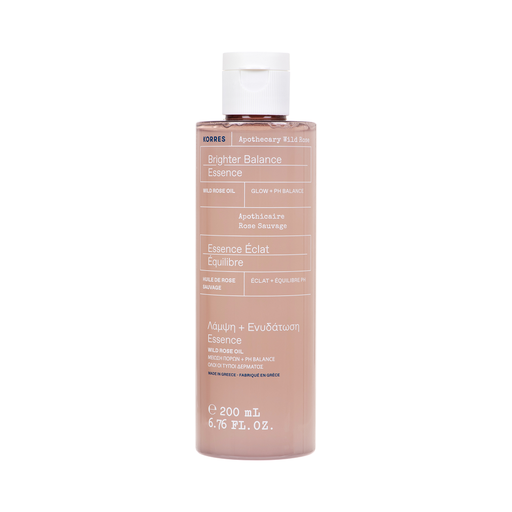
Why This Fits Their Persona: Suitable for shoppers who want a larger 200ml essence with a brightening-focused routine and a botanical-led formula.
The formula gives clear information about its 15% Vitamin Super C technology and 95.3% natural-origin content, while the full ingredient list also makes the presence of fragrance visible.
Contains glycerin, panthenol and wild rose oil; designed for use after cleansing and before serum and moisturiser.
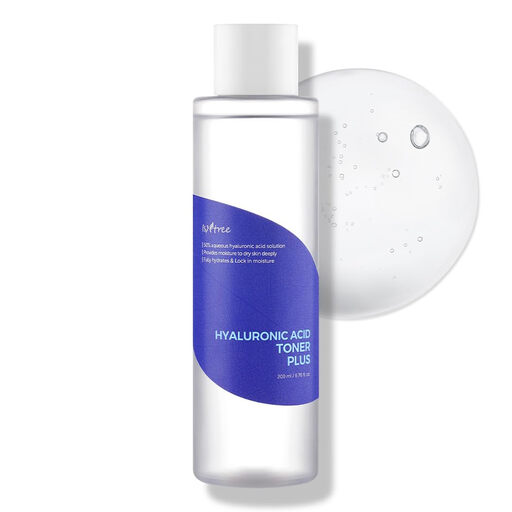
Why This Fits Their Persona: A practical option for dry, combination or sensitive skin that needs repeated thin layers during colder UK weather or in dry indoor environments.
Its product details specify a viscous, ampoule-like texture and suitability for layering, rather than implying that one application replaces moisturiser.
Five types of hyaluronic acid; includes panthenol, centella asiatica and sodium PCA; free from artificial fragrance and alcohol according to the supplied product information.
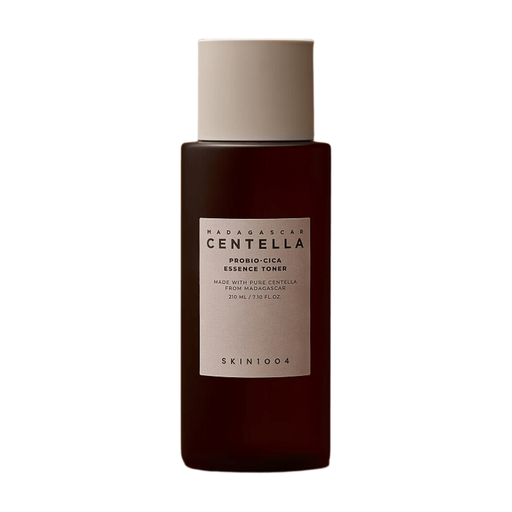
Why This Fits Their Persona: A watery-essence choice for shoppers prioritising a soothing, barrier-supporting step alongside a simple serum and cream routine.
Rather than relying only on a hydration headline, the formula lists fermented centella, ceramide NP, panthenol and several forms of hyaluronic acid.
210ml size; combines ceramide NP, panthenol and multi-weight hyaluronic acid in a light texture.
We have compiled a complete, real-time list of products that fully satisfy these strict selection criteria and UK safety regulations.
It can be, particularly when the formula contains humectants, soothing ingredients or barrier-supporting components. A richer essence toner may feel more comfortable than a very watery product, but dry skin still usually benefits from a moisturiser afterwards.
Yes, but it is not essential. If using both, apply the lighter watery toner first, followed by the thicker facial essence. Introduce one new product at a time so you can identify any irritation or pilling.
The usable period varies by product and packaging. Follow the period-after-opening symbol, storage instructions and batch information on the container. Keeping the cap closed and storing the product away from heat and direct sunlight can help maintain its condition.