
24/7 Customer Support

Free returns

Same-day & Next-day Delivery

Quality Guaranteed

Unlock Your Welcome Offers: FREE Delivery | Up to 80% OFF | Free 30-day JoyPlus trial
Download the APP
Dry patches, disappearing colour and sticky formulas can make buying a hydrating lip gloss surprisingly difficult. A product may look impressive under bright retail lighting yet feel uncomfortable after a few minutes, settle into lip lines or require constant reapplication.
The main challenge is separating useful product information from vague claims. Before choosing a gloss, consider the formula, finish, colour payoff, plumping sensation and how you expect to wear it. The following guide highlights common buying traps and compares suitable options for different UK beauty routines.
A reflective finish does not automatically mean a formula will feel moisturising. Some high-shine lip gloss products create a smooth appearance with emollients, oils or film-forming ingredients, while others may feel glossy but offer limited comfort on dry lips.
Look for ingredients such as sodium hyaluronate, glycerine, squalane, jojoba oil or shea butter. These ingredients serve different functions, so the full formula still matters. Hyaluronic acid derivatives can support a hydrated feel, while oils and butters can add cushion and reduce the sensation of dryness.
A lip plumper generally creates the appearance of fuller-looking lips through shine, colour, cooling sensations or temporary surface effects. It should not be treated as an equivalent to a cosmetic procedure.
Minty or tingling formulas are not automatically more effective. If a plumping lip oil or gloss feels painful, causes redness or creates persistent discomfort, remove it and discontinue use. People with sensitive or damaged lips may prefer a non-plumping moisturising lip gloss.
Gloss transfers more easily than a traditional matte lipstick, particularly when eating or drinking. A long-lasting lip stain can provide residual colour, but the glossy layer usually needs refreshing.
A peel-off lip stain may offer a different wearing experience: the colour is applied, left to dry and removed to reveal a tint. It can be useful for day-to-night looks, although the drying time and removal process may not suit everyone.
For everyday use, prioritise a texture that spreads evenly without dragging. A non-sticky lip gloss should feel smooth rather than stringy, although even lightweight formulas can transfer onto cups or hair.
If your lips are dry, look for conditioning ingredients and avoid applying gloss over cracked or irritated skin. Fragrance, flavouring, cooling agents and certain colourants may not suit every user. Always read the current ingredient list on the packaging, particularly if you have known sensitivities.
Choose the finish according to how you normally apply makeup:
Sheer neutrals such as nude, apricot or soft pink are generally easier to wear regularly. Coral, cherry and guava shades add more visible colour without necessarily requiring a full makeup look.
A silicone tip, doe-foot applicator or XL wand can affect precision and hygiene. A wide wand may cover the lips quickly, while a narrower applicator can make outlining easier.
Cooling ingredients such as menthyl lactate can create a fresh sensation. That sensation is subjective and should not be confused with a guaranteed result. Apply a small amount first, follow the product instructions and stop if irritation occurs.
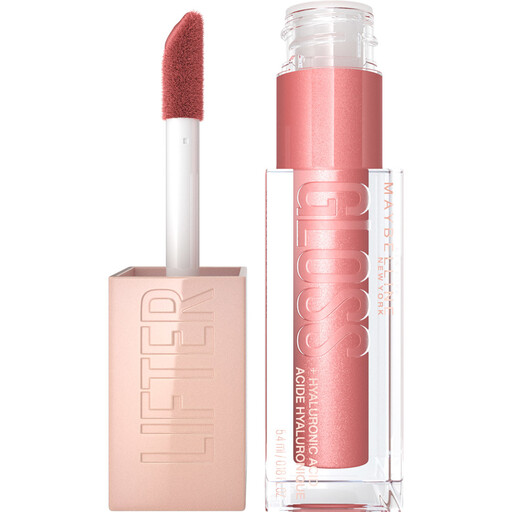
Why This Fits Their Persona: A versatile neutral shade and straightforward wand application suit first-time gloss buyers building an everyday makeup bag in the UK.
Its listed formula includes sodium hyaluronate and is described as lightweight and non-sticky, addressing the common shine-without-comfort problem.
5.4ml size, buildable sheer tint, high-shine finish and an applicator designed for quick coverage.
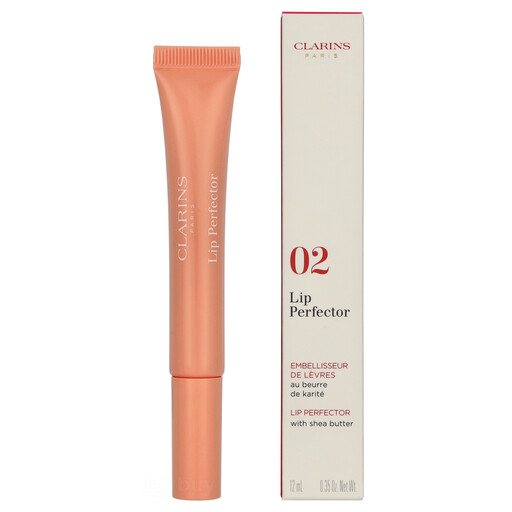
Why This Fits Their Persona: Its lip-and-cheek format suits shoppers who want one portable product for polished office, travel or occasion makeup.
The product description identifies its texture as non-sticky and its formula includes shea butter and wild mango butter, rather than relying on shine alone.
12ml format, apricot shimmer, built-in applicator and dual lip-and-cheek use.
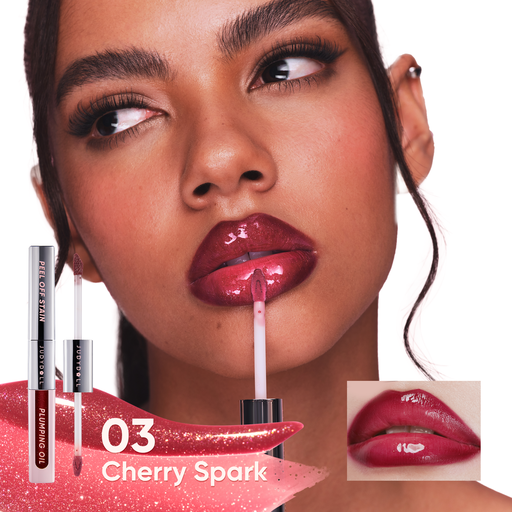
Why This Fits Their Persona: The two-step format is suited to long days, events and users who want colour underneath a glossy top layer.
The stain is designed to dry for three minutes before peeling, separating lasting colour from the high-shine oil layer.
Cherry shade, peel-off application and a separate plumping lip oil for shine.
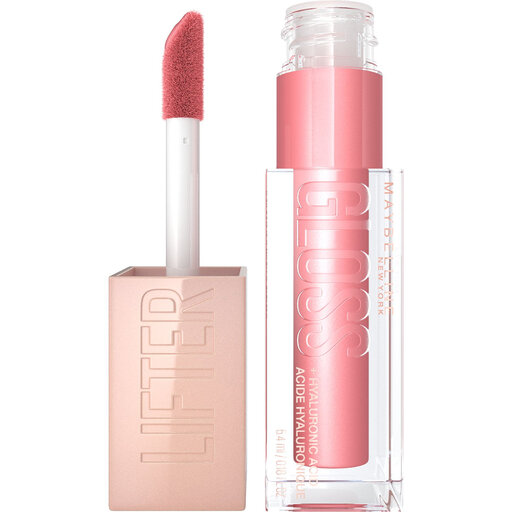
Why This Fits Their Persona: The neutral shade and listed non-tingling application suit shoppers who prefer a subtle, comfortable gloss for daily wear.
It avoids a reliance on tingling plumping agents and lists hyaluronic acid, while the product is described as smooth and non-sticky.
Sheer buildable coverage, 5.4ml size and doe-foot applicator for even application.
We have compiled a complete, real-time list of products that fully meet these strict selection criteria and UK safety regulations.
It may improve the feel and appearance of dryness, depending on the formula. Choose conditioning ingredients, avoid applying products to cracked or inflamed skin and check the ingredient list for fragrance or cooling agents if your lips are sensitive.
Reapply when the shine or comfortable feel fades, particularly after eating or drinking. A gloss is not usually designed to wear like a long-lasting lip stain, so regular touch-ups are normal.
Follow the period-after-opening symbol and storage guidance printed on the packaging. Keep the tube closed, avoid sharing applicators and store it away from heat and direct sunlight. Discontinue use if the smell, colour or texture changes, or if irritation develops.