
24/7 Customer Support

Free returns

Same-day & Next-day Delivery

Quality Guaranteed

Unlock Your Welcome Offers: FREE Delivery | Up to 80% OFF | Free 30-day JoyPlus trial
Download the APP
Dry, tight-feeling lips can make even a carefully chosen lip colour uncomfortable. Yet products described as “hydrating” do not all provide the same experience. Some create shine without much colour, while others offer strong pigmentation but need frequent balm application.
Before buying a hydrating lipstick and lip gloss, UK shoppers should look beyond shade names and promotional phrases. The most useful comparison points are the formula, finish, application method, expected wear and suitability for your daily routine.
A glossy surface can make lips look smoother, but shine alone does not confirm that a formula will feel nourishing. Some high-shine lipstick formulas rely mainly on oils, waxes or film-forming ingredients, which may provide slip and gloss without feeling like a traditional lip balm.
If comfort is important, check whether the product includes conditioning ingredients such as shea butter, vitamin E, squalane, jojoba oil or plant-derived oils. These ingredients do not guarantee that every user will experience the same result, but they provide more useful information than the word “moisturising” on the front of the packaging.
Glossy lipstick, lip glaze and lip gloss balm generally need more maintenance after meals or drinks than a matte velvet lipstick. A product may be described as long-lasting while still requiring reapplication to restore its shine.
For longer colour retention, look for a formula that uses a film-forming system or a dedicated two-step format. However, transfer resistance can sometimes come with a drier or tighter sensation, so decide whether comfort or maximum staying power matters more for your routine.
Online colour can look different depending on lighting, screen settings and your natural lip tone. A sheer lipstick may appear noticeably different on pigmented lips than on a pale base. Warm shades such as peach, amber and terracotta can pull more orange, while mauve and berry tones may look cooler.
For a more predictable result, consider the product’s coverage level:
Choose the finish according to where and how you intend to wear it:
A glossy finish can emphasise dry flakes if the lips are not prepared first. Gently smooth the lips with a damp flannel, apply a thin balm layer and remove excess before applying colour.
Review the full ingredient list rather than relying only on front-of-pack claims. Shea butter, vitamin E, hyaluronic acid, squalane and botanical oils are common conditioning choices. Fragrance and flavouring may be less suitable for people with sensitive lips, while lanolin, beeswax or certain pigments may not suit every user.
Products labelled vegan should still be checked against the current packaging and seller information. Vegan status is separate from cruelty-free status, and neither replaces checking the ingredient list for personal sensitivities.
A transfer-resistant lipstick may perform differently when exposed to oily food, hot drinks or repeated rubbing. Follow the supplied instructions, particularly with two-step formulas. For example, the Max Factor Lipfinity format requires the liquid colour to dry before the moisturising top coat balm is applied.
Under UK cosmetics rules, check the packaging for an ingredient list, nominal quantity, precautions and responsible-person details where applicable. Keep the packaging until you are confident the product suits you, and stop using it if irritation develops.
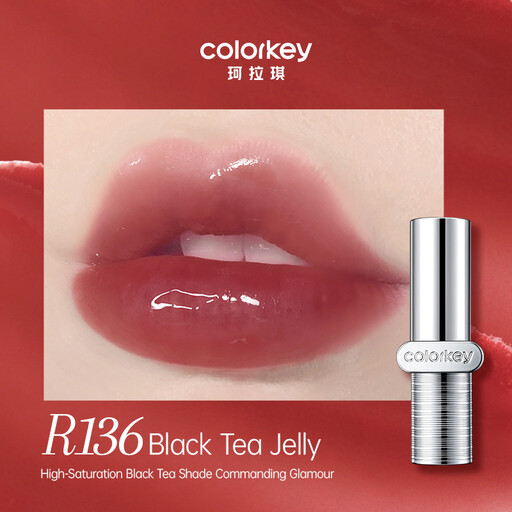
Why This Fits Their Persona: A straightforward option for shoppers wanting lipstick colour and a glossy, moisturising finish in one product, without adding a separate gloss step to a daily routine.
The product is clearly described as a glossy hydrating lipstick, making its intended finish easier to identify than a vague “glow” claim.
High-shine finish; black tea-inspired shade; combines colour and gloss in a lipstick format.
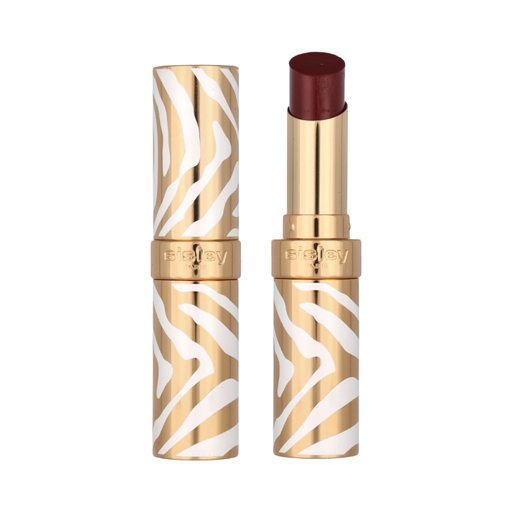
Why This Fits Their Persona: Suitable for shoppers who value a premium presentation, a refillable case and a sheer, buildable colour that can be adjusted for workdays or evenings.
Its sheer, buildable description sets a realistic expectation: it is designed for layering rather than one-swipe opaque coverage.
Gloss-balm-lipstick format; refillable packaging; glossy and buildable colour profile.
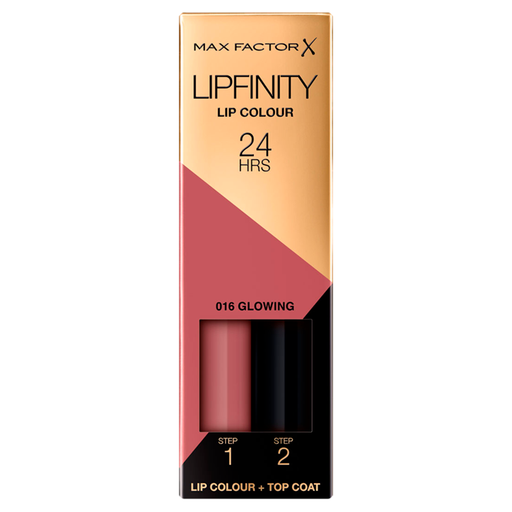
Why This Fits Their Persona: A practical choice for long workdays, commuting or events when reducing colour touch-ups is more important than having a simple one-step application.
The two-step instructions make the maintenance trade-off clear: liquid colour first, then balm for comfort and shine.
Two-step system; includes a conditioning top coat balm; designed for transfer-resistant wear.
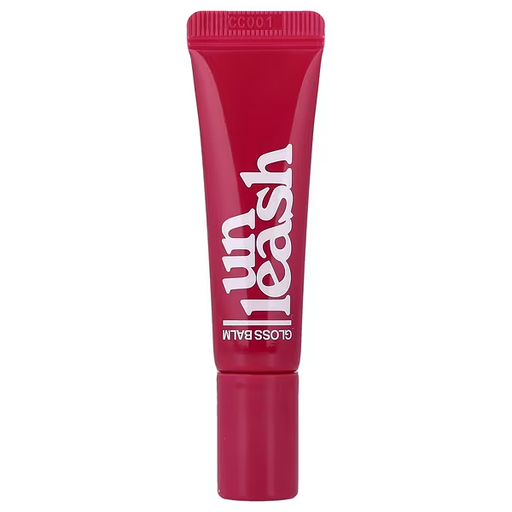
Why This Fits Their Persona: A suitable option for shoppers looking for a vegan lip balm format with a lightweight, luminous grape-mauve tint for everyday wear.
The product is identified as a gloss balm and described as vegan, helping shoppers distinguish it from a conventional sticky gloss or opaque lipstick.
Vegan formula as listed; non-greasy texture; silicone applicator; grape-mauve luminous finish.
We have compiled a complete, real-time list of products that fully satisfy these strict selection criteria and UK safety regulations.
Start with clean, dry lips and apply a thin layer rather than one heavy coat. Blotting between layers can reduce excess product, although it may also reduce the visible gloss. A matching lip liner can improve edge definition and give sheer lipstick more structure.
Keep lip products away from direct sunlight and excessive heat. Soft balm formulas can change texture in warm conditions, while cold storage may temporarily make them firmer. Always follow the product’s storage instructions and check the packaging for the recommended period after opening.
Not necessarily. Lip gloss can feel comfortable because of its smooth, reflective texture, while a moisturising lipstick may include more waxes, oils or conditioning ingredients. Compare the ingredient list, finish and application instructions rather than assuming one format is more hydrating.
The usable period varies by formula and packaging. Look for the open-jar symbol and follow the period stated on the packaging. Changes in smell, texture, colour or performance are reasons to stop using a product earlier.
Yes, provided the base has set and the products are compatible. A clear or lightly tinted lip glaze can restore shine to a long-lasting lipstick, but it may reduce transfer resistance. Apply a small amount to the centre of the lips first, then spread it outwards.