
24/7 Customer Support

Free returns

Same-day & Next-day Delivery

Quality Guaranteed

Unlock Your Welcome Offers: FREE Delivery | Up to 80% OFF | Free 30-day JoyPlus trial
Download the APP
Is your hair feeling brittle and straw-like? Does your skin look dull and feel tight, no matter how much moisturiser you apply? You are not alone. The UK’s unpredictable weather, combined with central heating and daily stressors, can leave both hair and skin parched and crying out for a serious dose of moisture. A good hydrating mask promises to be the answer, but the market is saturated with options that often over-promise and under-deliver.
As a Joybuy Product Recommendation Officer, my role is to help you cut through the clutter. Many shoppers find themselves disappointed, having spent money on products that don't live up to the hype. Before you add another jar to your basket, let's look at the common pitfalls that lead to buyer's remorse.
To ensure you are getting a product that delivers genuine hydration, it is crucial to look past the marketing on the front and analyse the ingredient list on the back. Here are the core components that truly matter.
A truly effective hydrating mask will contain a balanced blend of ingredients that work together to draw in and lock down moisture.
The physical form of the mask is just as important as its ingredients. Choosing the right one ensures it fits seamlessly into your routine and addresses your specific concerns.
Instead of a generic list, we have matched specific products to different user needs and priorities. This approach helps you find a product that not only works but also fits your lifestyle and budget.
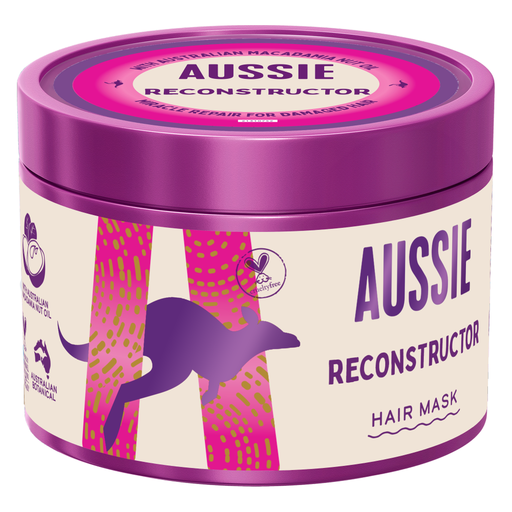
Why This Fits Their Persona: This user wants an effective deep conditioning treatment for their weekly self-care routine without a hefty price tag. It's a reliable, accessible choice for tackling dryness and damage from regular styling.
While it highlights Australian Macadamia Nut Oil, its effectiveness comes from a solid base of conditioning agents (like Stearyl Alcohol and Behentrimonium Chloride) that deliver tangible softness and repair, avoiding the "miracle ingredient" pitfall.
Provides intensive moisture without weighing hair down. It is also a PETA-certified cruelty-free and vegan hair mask.
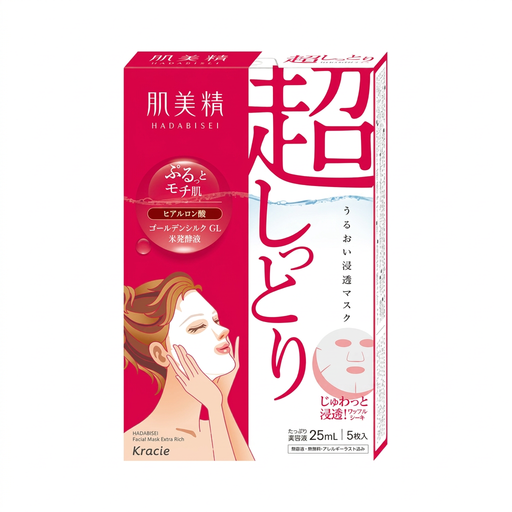
Why This Fits Their Persona: This user needs a fast, mess-free and effective way to plump and hydrate their skin before applying makeup for an event. A sheet mask provides that instant, dewy canvas.
It perfectly avoids the "wrong tool for the job" pitfall. By using a sheet mask format, it delivers a concentrated serum quickly and efficiently, which is exactly what's needed for an immediate result, unlike a slower-acting cream mask.
The formula is built around proven humectants like Hyaluronic Acid and Glycerin to drench skin in moisture. The woven fabric sheet adheres well to the face, ensuring optimal serum absorption.
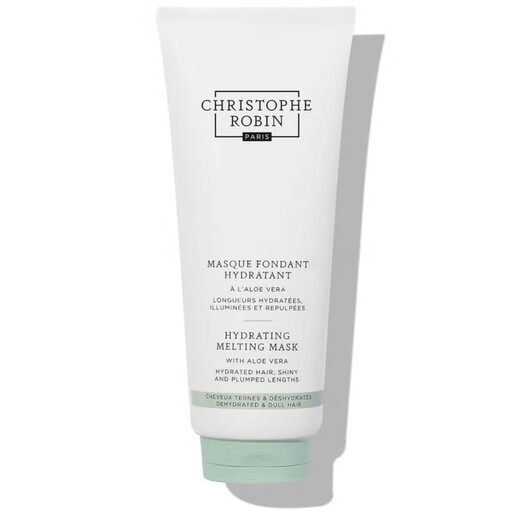
Why This Fits Their Persona: This user prioritises high-quality, sophisticated formulations with a high percentage of natural ingredients. They are willing to invest more for a product that feels luxurious and delivers noticeable results without heavy silicones.
It sidesteps the "natural illusion" by backing up its claims with a transparent, high-performance formula. With 95% natural-origin ingredients, it relies on a blend of Aloe Vera, Glycerin and plant oils rather than marketing a single, ineffective extract.
The ultra-lightweight "melting" texture provides deep hydration without residue, making it suitable for finer hair types. It is also a colour-safe formula.
We have compiled a complete, real-time list of products that fully satisfy these strict selection criteria and UK safety regulations.
For most hair and skin types, using a hydrating mask once or twice a week is sufficient to see benefits. However, if your hair is extremely damaged or your skin is severely dehydrated, you might start with three times a week and then reduce the frequency as its condition improves. Always check the product's specific directions. An overnight face mask is typically designed for use 2-3 nights per week in place of your regular night cream.
Yes, but it is wise to choose a mask that is explicitly labelled as "colour-safe". These formulations are designed to be gentler and will not contain harsh sulphates or other ingredients that can strip colour prematurely. A good repair hair mask can actually help to seal the hair cuticle, which can prolong the vibrancy of your colour.
The primary difference is concentration and contact time. Masks are formulated with a higher concentration of active ingredients than their daily-use counterparts. A deep conditioning treatment for hair is designed to be left on for several minutes to allow these ingredients to penetrate the hair shaft deeply, whereas a regular conditioner works mostly on the surface. Similarly, a moisturising face mask delivers a more potent dose of hydration than a daily moisturiser.