
24/7 Customer Support

Free returns

Same-day & Next-day Delivery

Quality Guaranteed

Unlock Your Welcome Offers: FREE Delivery | Up to 80% OFF | Free 30-day JoyPlus trial
Download the APP
A sheet mask can be a convenient addition to a UK skincare routine, particularly when central heating, cold weather or long days leave skin feeling tight and dry. However, the most expensive-looking pouch does not automatically contain the most suitable product. Hydrating sheet face masks vary considerably in ingredients, fit, wear time and pack size.
Before buying, it is worth looking beyond phrases such as “deep hydration”, “glass skin” or “anti-wrinkle”. These descriptions may refer to a temporary cosmetic finish rather than a lasting change to the skin.
A generously soaked mask can feel luxurious, but more liquid is not necessarily better. Excess essence may drip onto clothing, while a thin sheet can dry out quickly. Check the sheet material, recommended wear time and whether the product stays in place.
A hydrogel face mask usually has a denser, gel-like texture that conforms closely to the face. Traditional cotton or cellulose sheets may be lighter and quicker to apply. Neither format suits everyone; the useful question is whether it matches your preferred routine and skin concerns.
A hyaluronic acid face mask, collagen face mask or ceramide face mask may contain those ingredients in different forms and concentrations. Look at the full INCI list rather than relying on the front label.
For example, a formula can contain several forms of hyaluronic acid alongside glycerin and betaine, while another may focus more on ceramides, oils or soothing ingredients. These are cosmetic moisturising choices, not guarantees of wrinkle reduction, skin repair or medical benefit.
“Natural” essential oils and botanical extracts can still be unsuitable for some people. If you are looking for a face mask for sensitive skin, check for fragrance, alcohol and essential oils, and carry out a patch test first. Do not apply a mask to broken, sunburnt or actively irritated skin.
For products sold in the UK, check the packaging for an ingredient list, usage instructions, batch information and relevant warnings. Stop using any product that causes persistent burning, swelling, itching or redness.
A good fit helps keep the essence against the skin instead of allowing it to evaporate or run. Look for:
A Korean face mask often uses a highly adherent hydrogel or serum-rich sheet, while a Japanese sheet mask may focus on a lightweight fabric, generous essence and convenient shorter wear time. These are broad format trends rather than guarantees of performance.
Choose based on your skin’s current needs:
Single masks are useful for travel, a pre-event routine or trying a new formula. Multi-packs can make weekly use more convenient, but only if the product suits your skin. A reusable skincare routine does not mean reusing a disposable sheet: most sheet and hydrogel masks are intended for one application only.
Follow the stated wear time. Leaving a mask on until it becomes dry can make the skin feel tight rather than comfortable.
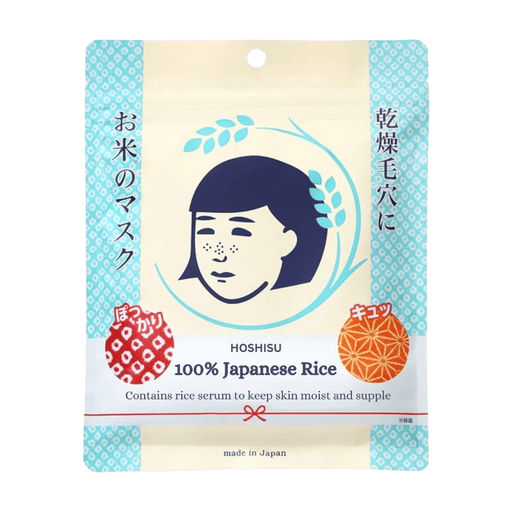
Why This Fits Their Persona: A 10-sheet pack suits shoppers who want to establish a regular weekly moisturising face mask routine without committing to single-use premium formats.
The product states that it is fragrance-free, colourant-free and mineral-oil-free, making the label easier to assess before purchase.
Made in Japan; contains fermented rice extract, rice bran oil and glucosylceramide.
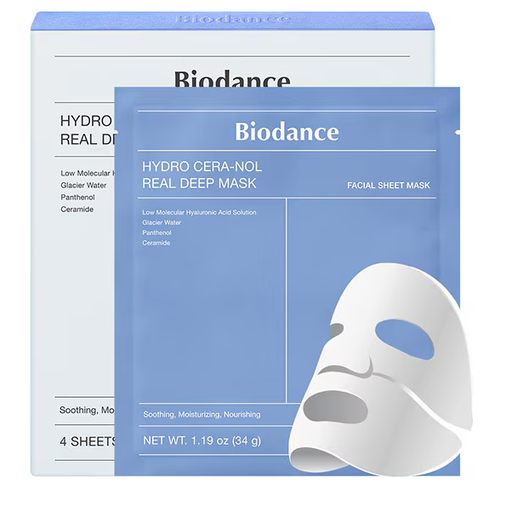
Why This Fits Their Persona: Suits shoppers prioritising a hydrogel texture and barrier-focused ingredients for a more intensive at-home facial application.
Its listed INCI includes ceramides, cholesterol, phytosphingosine, panthenol and multiple hyaluronic acid forms, rather than relying on a single headline ingredient.
Four-mask pack; hydrogel sheet designed to sit closely on the face.
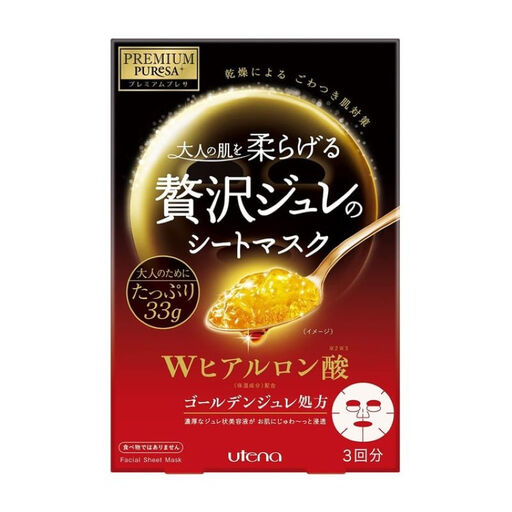
Why This Fits Their Persona: Appropriate for users who prefer a longer, richer mask session when dry or rough-feeling skin needs a comforting weekly treatment.
The instructions specify a 20–30-minute application and the formula lists dual hyaluronic acid, ceramide, squalane and amino acids.
Contains 33g of jelly essence per sheet; mesh design and eye flaps support close coverage.
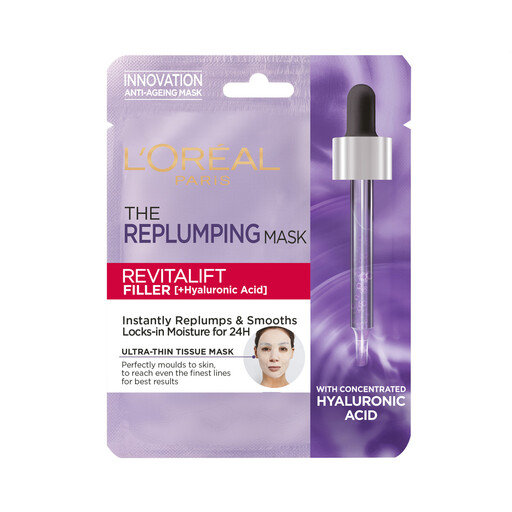
Why This Fits Their Persona: A single-use format with a stated 15-minute application suits a quick refresh before an evening out or during a busy week.
The instructions give a clear wear time and advise removing the mask rather than leaving it on until dry.
0.3mm tissue format; sodium hyaluronate and glycerin are included in the ingredient list.
We have compiled a complete, real-time list of products that fully satisfy these strict selection criteria and UK safety regulations.
Many products suggest one or two applications per week, although the package instructions should take priority. If your skin is sensitive, begin less frequently and patch test first. A mask should complement, rather than replace, a basic routine of cleanser, moisturiser and daytime sun protection.
They can be convenient for dry-feeling skin because the gel format stays close to the face and commonly contains humectants such as glycerin or hyaluronic acid. However, suitability depends on the complete formula. Check for fragrance and essential oils if you are prone to sensitivity, and seal in the moisturising feel with a suitable cream afterwards.
Check the expiry or period-after-opening information and storage guidance printed on the packaging. Keep unopened masks away from direct sunlight and excessive heat. Once opened, use the mask immediately and do not store leftover essence unless the manufacturer specifically instructs you to do so.