
24/7 Customer Support

Free returns

Same-day & Next-day Delivery

Quality Guaranteed

Unlock Your Welcome Offers: FREE Delivery | Up to 80% OFF | Free 30-day JoyPlus trial
Download the APP
Dry, tight or dull-looking skin can make a simple skincare routine feel ineffective, particularly during cold, windy UK weather or in centrally heated rooms. Hydrating sheet face masks offer a convenient, single-use treatment, but the packaging does not always tell you what matters most.
A high serum content does not automatically mean better hydration. A sheet that dries quickly may leave the skin feeling tight, while a heavily fragranced formula may not suit easily irritated skin. It is also easy to pay more for a small single sachet when a multi-pack face mask would provide better value for regular use.
This guide explains the practical details to check before buying, followed by our top recommendations for different shopping needs.
A sheet mask can make skin feel softer and look more refreshed immediately after use because the surface has been coated with a water-based essence. This temporary effect should not be confused with a permanent change to wrinkles, firmness or skin tone.
Look for a formula that complements your regular moisturiser rather than treating a mask as a replacement for daily skincare. Humectants such as glycerin, hyaluronic acid and betaine help attract water, while ingredients such as ceramides and oils can support a more comfortable-feeling moisture barrier.
A product labelled as a hyaluronic acid face mask, collagen face mask or glow face mask may contain that ingredient in a relatively small amount. Check the full ingredient list, especially if your skin is sensitive. Fragrance, alcohol and certain preservatives may be less suitable for people prone to stinging or redness.
“Natural” or “Japanese” does not automatically mean suitable for every complexion. A Japanese sheet mask can offer a useful fit and lightweight fabric, but skin compatibility still depends on the complete formula.
A mask that slips around the face wastes serum and makes it difficult to relax. Hydrogel masks often feel more secure than thin tissue, while 3D-cut sheets may sit more closely around the nose, jaw and chin.
Single-use masks should be discarded after use. Do not sleep in a sheet mask, and follow the stated wear time. Leaving a mask on after it has dried can make the skin feel uncomfortable rather than moisturised.
Tissue masks are usually lightweight and saturated with liquid essence. They are convenient for a short 5–20-minute treatment. Hydrogel masks have a jelly-like texture that can hug the skin more closely and reduce sliding, although they may cost more per application.
Check whether the sheet covers the jawline and sides of the face. A good fit is more useful than an impressive ingredient list if the mask repeatedly lifts away from the skin.
Compare the total number of sachets rather than only the pack price. A single-piece moisturising face mask is practical for occasional use, travel or trying a new formula. Packs of four, five, six or ten may suit shoppers who plan to use a mask weekly.
Also check the storage instructions, batch details and ingredient list printed on the packaging. If you have reactive skin, patch testing on the inner arm or behind the ear is a sensible precaution. Avoid applying a mask to broken, sunburned or inflamed skin.
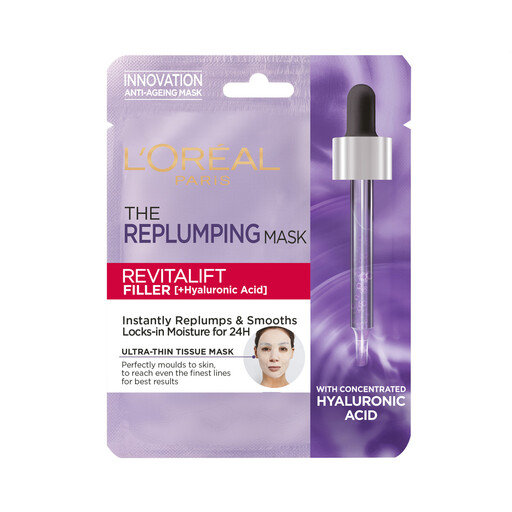
Why This Fits Their Persona: A single sachet is a straightforward way to try a hyaluronic acid treatment before committing to multi-packs or longer routines.
The product information specifies a 0.3mm ultra-thin tissue and a 15-minute application, making the intended use clear rather than relying only on vague “instant” wording.
Contains glycerin and sodium hyaluronate; the thin tissue is designed to follow facial contours.
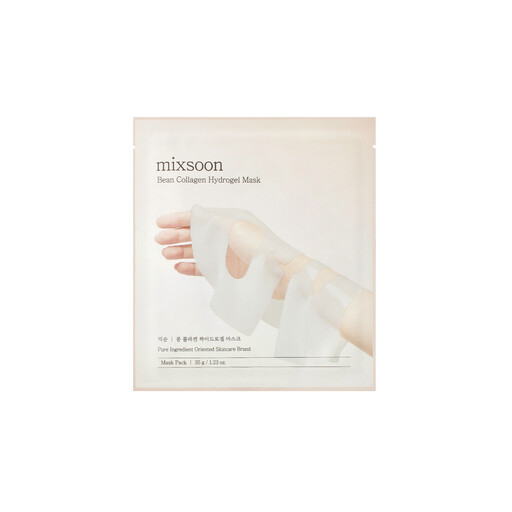
Why This Fits Their Persona: Suits shoppers who prefer a close-fitting Korean hydrogel mask for a longer at-home skincare session or pre-event routine.
The hydrogel is supplied as upper and lower sections, helping it follow facial contours more closely than a one-piece flat sheet.
Pack of five; includes glycerin, niacinamide, betaine and fermented fruit or grain ingredients.
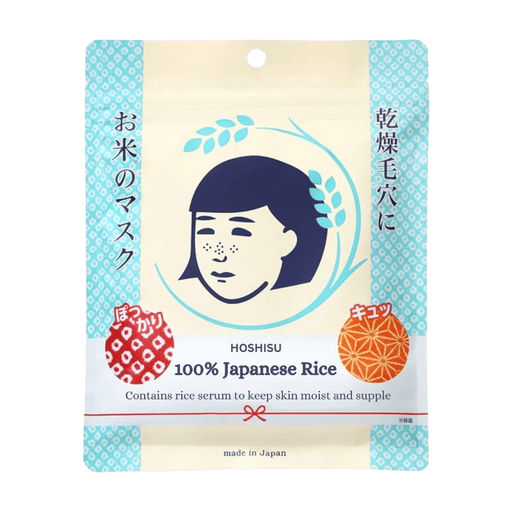
Why This Fits Their Persona: A ten-sheet Japanese format suits regular weekly use, whether your skin feels dry after commuting or looks dull after indoor heating.
The pack quantity is clearly stated, so shoppers can compare the cost per treatment instead of judging value from a single sachet.
Contains rice fermentation broth, rice bran oil and glucosylceramide; the listed formula is free from added colourants and fragrance.
We have compiled a complete, real-time list of products that fully satisfy these strict selection criteria and UK safety regulations.
For many people, once or twice weekly is a practical starting point. Follow the product instructions and reduce use if your skin becomes irritated. A mask should complement, not replace, daily cleansing, moisturising and sun protection.
Possibly, but check the full ingredient list and look for clear usage warnings. Fragrance-free products may be more comfortable for some users, although sensitivity varies. Patch test first and avoid using any mask on broken, sunburned or inflamed skin.
They often provide a lower cost per application, but compare the total price, sachet quantity and recommended usage. A single sheet may be more economical when you are testing a new formula or only want occasional use.