
24/7 Customer Support

Free returns

Same-day & Next-day Delivery

Quality Guaranteed

Unlock Your Welcome Offers: FREE Delivery | Up to 80% OFF | Free 30-day JoyPlus trial
Download the APP
A sheet mask can be a convenient way to add moisture to a skincare routine, particularly when central heating, cold weather and indoor air leave skin feeling tight. However, not every product described as a moisturising face mask is equally suitable for your needs.
The main buying traps are easy to overlook:
The practical approach is to match the formula, sheet material and instructions to your skin rather than choosing by packaging claims alone.
For face masks for dry skin, look for humectants and conditioning ingredients that help skin feel more comfortable. Glycerin, betaine, sodium hyaluronate and other forms of hyaluronic acid are commonly used to attract and hold water at the skin’s surface.
A hyaluronic acid face mask may suit skin that feels dehydrated, while ceramides, oils and richer emollients can be useful when the skin feels rough or lacks comfort. The Biodance Hydro Cera-Nol formula, for example, lists several ceramides, panthenol, shea butter and multiple forms of hyaluronic acid.
Collagen face masks are often selected for a smoother, more cushioned feel. Remember that “collagen” on a cosmetic ingredient list does not mean the sheet mask replaces the body’s structural collagen. Treat the likely user-perceivable benefit as temporary hydration and a smoother-looking surface.
For dullness or uneven-looking tone, a brightening face mask may contain niacinamide, vitamin C derivatives or botanical extracts. Fruit acids can make a formula less suitable for reactive skin, so check the full ingredient list before purchase.
A mask that stays in contact with the face is generally more practical than one that slips around the nose and jaw. Standard tissue sheets are lightweight and convenient, while a hydrogel face mask tends to feel denser and may adhere closely during longer wear.
Three-dimensional designs can wrap around the jawline and chin more securely than flat sheets. This may be useful if you want to move around while wearing a mask. A thicker sheet can also hold more essence, but it may feel warmer or heavier.
Always follow the instructions printed on the packaging. Several products in this category are intended for a short session, while some hydrogel masks are designed to remain on the skin for several hours or until they become transparent.
Individually wrapped masks are convenient for travel and help protect unused sheets from drying out. Tub-style daily masks can offer a lower-waste routine, but the lid needs to be closed securely after each use. Store all products away from direct sunlight and excessive heat, and check the current packaging for batch, shelf-life and storage information.
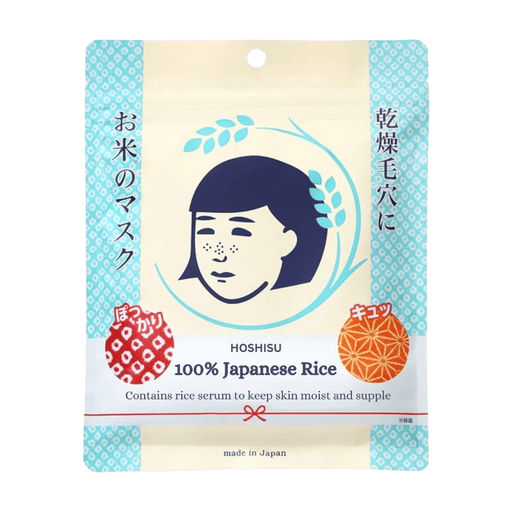
Why This Fits Their Persona: A ten-sheet pack is practical for shoppers building a regular weekly routine without committing to a smaller premium pack.
The listing provides a full ingredient list and a clear 5–10-minute wear instruction, helping avoid guesswork about formula and timing.
Made in Japan; includes fermented rice extract, rice bran oil and glucosylceramide; listed as fragrance-free and colourant-free.
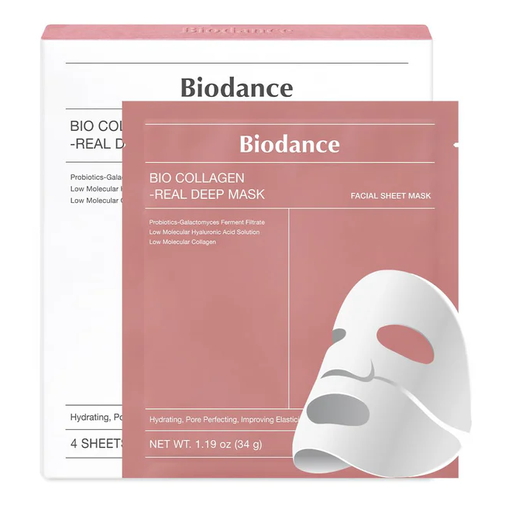
Why This Fits Their Persona: Suits shoppers who prefer a hydrogel format and are willing to set aside several hours for a more involved evening routine.
Its instructions distinguish daytime wear of 3–4 hours from overnight use, so buyers can plan around the product rather than extending wear arbitrarily.
Hydrogel format; contains collagen extract, hydrolysed hyaluronic acid, niacinamide and fermented ingredients.
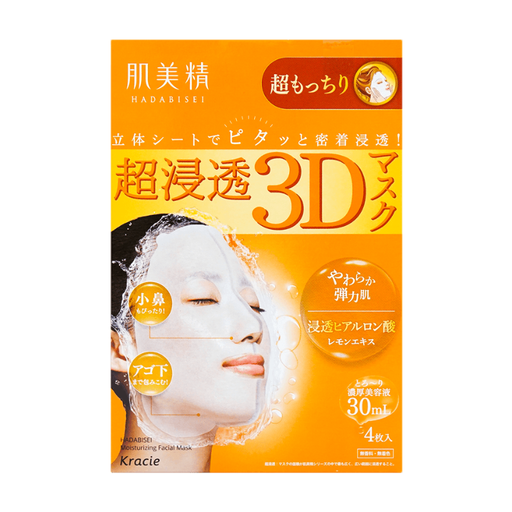
Why This Fits Their Persona: A useful choice for shoppers who prioritise facial coverage and a short, structured treatment once or twice a week.
The 3D sheet is designed to follow facial contours, addressing the common problem of loose fabric around the jaw and chin.
Uses sodium hyaluronate and glycerin; the listed wear time is 10–20 minutes; includes a contour-focused sheet design.
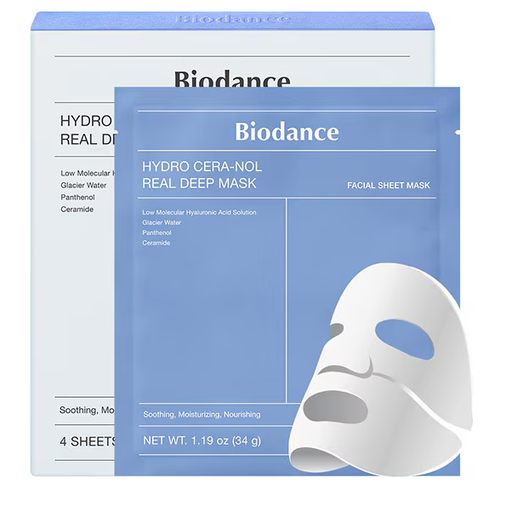
Why This Fits Their Persona: Designed for shoppers who place priority on barrier-supporting ingredients when skin feels dry, tight or sensitised.
The ingredient list is available for checking, and the product directions state that it should be removed when transparent rather than worn indefinitely.
Hydrogel sheet; lists panthenol, ceramide NP, ceramide AP, ceramide EOP, cholesterol and several hyaluronic acid forms.
Do not apply a face mask to broken, sunburnt, irritated or inflamed skin. Stop using it if redness, swelling, itching or burning develops. Cosmetic products are not treatments for diagnosed skin conditions; seek advice from a qualified healthcare professional if symptoms persist.
We have compiled a complete, real-time list of products that fully satisfy these strict selection criteria and UK safety regulations.
Follow the product instructions. Many conventional sheet masks are suitable for one or two sessions per week, while some daily mask products specify a 5–10-minute application. More frequent use is not necessarily more effective, particularly if the formula contains exfoliating acids or ingredients your skin does not tolerate well.
They can be, but suitability depends on the full formula rather than the sheet format alone. Check for fragrance, alcohol, essential oils and fruit acids if these are known triggers for you. A small patch test before applying the mask to your whole face is a sensible precaution.
Most leave-on sheet masks instruct you to massage the remaining essence into the skin without rinsing. Always follow the packaging directions. If the residue feels uncomfortable, you can apply a lighter amount or gently remove excess product before finishing with your usual moisturiser.