
24/7 全天候客户支持

免费退货

当日/次日达

品质保障

开启新人专享福利: 全场免邮 | 低至 2 折 | 免费试用 30 天 JoyPlus 会员
下载 Joybuy
A good moisturiser should leave skin comfortable, not coated in a greasy film. Yet choosing hydrating skincare products can be surprisingly difficult when product pages use broad terms such as “deep hydration”, “barrier support” and “glowing skin” without explaining texture, ingredients or suitability.
For UK shoppers, changing weather, indoor heating and air conditioning can all make skin feel tight. At the same time, oily or acne-prone skin may become uncomfortable with rich creams. The right choice depends less on attractive claims and more on the formula, intended use and your skin’s tolerance.
A gel may feel instantly refreshing, but that sensation does not necessarily mean moisture will last. Check whether the formula includes humectants such as glycerin, hyaluronic acid or sodium hyaluronate, alongside ingredients that help reduce moisture loss.
A water gel moisturiser can be suitable for combination or oily skin, but very dry skin may need a second layer or a more emollient product over the top.
An oil-free moisturiser often feels light and works well under make-up. However, oil-free does not automatically mean fragrance-free, irritation-free or ideal for sensitive skin. Read the full ingredient list, especially if you react to fragrance, essential oils or exfoliating ingredients.
For acne-prone skin, look for product information such as non-comedogenic testing, but remember that individual reactions vary. A patch test remains sensible when introducing a new product.
Words such as “clinical”, “detoxifying” or “anti-pollution” can sound persuasive, but they do not tell you whether the product will suit your routine. Consider the size, packaging, application instructions and whether you will use it consistently.
A large tub may offer better value for daily face and body use, while a smaller tube may be more convenient for travel or gym bags. A hydrating face mask can provide an occasional moisture boost, but it should not replace a routine moisturiser.
Choose the texture according to your skin’s needs:
For dry or sensitive complexions, ingredients such as oat, panthenol, allantoin, beta-glucan and ceramides may be worth considering. Those seeking hyaluronic acid skincare should check whether it appears in the ingredient list and whether the overall formula also suits their skin.
A fragrance-free moisturiser may be a more practical option for people who frequently experience sensitivity. Fragrance can appear as “parfum” or as named aromatic oils, such as lavender or rosemary oil.
Do not assume that “natural” means non-irritating. Botanical extracts and essential oils can still cause discomfort for some users. Products containing salicylic acid may be useful within an oily-skin routine, but they can feel drying or unsuitable for easily irritated skin.
Apply moisturiser to clean skin, following the product’s instructions. Humectant-rich products are often comfortable when applied to slightly damp skin, followed by sunscreen in the morning. Use a smaller amount first; applying too much can cause pilling beneath make-up.
Always follow the packaging directions and warnings. Cosmetic products are for external use only, should not be applied to broken skin or the eyes unless specifically intended for that area, and should be stopped if persistent redness, burning, swelling or itching develops.
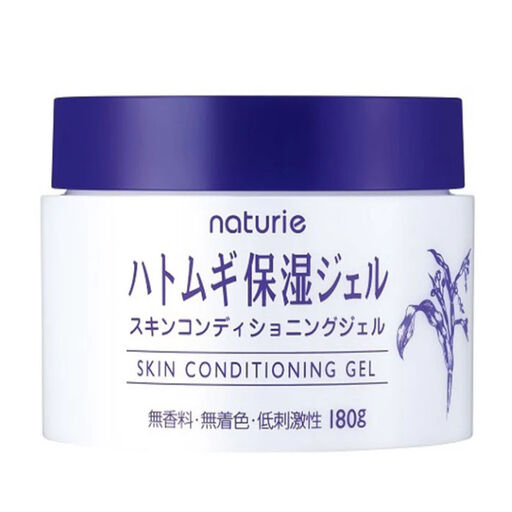
Why This Fits Their Persona: The generous 180g size is practical for shoppers starting a simple Japanese skincare routine or using one product on the face, neck and body.
Its listed formula is oil-free, fragrance-free and colourant-free, while the jelly texture is designed to turn into a watery fluid on contact.
Large capacity; suitable for daily moisturising, a short gel mask or body application after bathing.
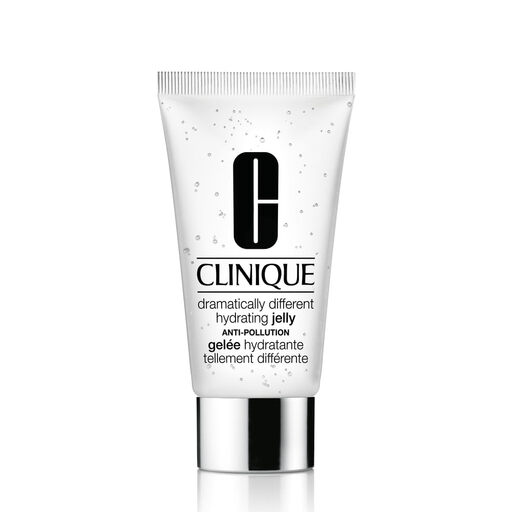
Why This Fits Their Persona: A compact, oil-free water-jelly option for shoppers who prefer a clearly structured morning and evening facial routine.
The product information specifies a fast-absorbing, non-sticky, oil-free and fragrance-free formula rather than relying only on broad hydration language.
Contains glycerin and sodium hyaluronate; designed for all skin types and suitable beneath make-up.
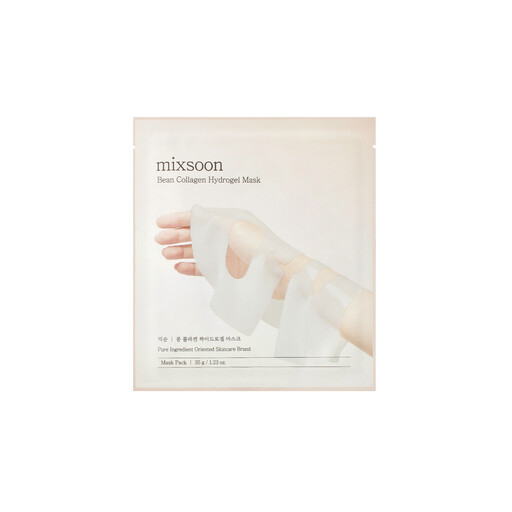
Why This Fits Their Persona: A five-piece Korean skincare mask pack suits planned weekly treatments, pre-event preparation or periods when skin feels particularly dry.
It has clearly stated wear instructions of one to three hours and is discarded after use, helping prevent the common mistake of treating a sheet mask as reusable.
Hydrogel material conforms closely to facial contours; pack contains five individual treatments with essence-rich formula.
We have compiled a complete, real-time list of products that fully satisfy these strict selection criteria and UK safety regulations.
Start with a gentle cleanser, then apply a lightweight facial moisturiser while skin is not completely dry. Use sunscreen in the morning. In the evening, add a richer layer only where needed rather than applying a heavy cream across the whole face.
Those exploring Korean skincare or Japanese skincare should compare the formula rather than relying on country of origin. For sensitive or acne-prone skin, introduce one new product at a time and patch test before applying it widely. Avoid using several potentially active products together until you know how your skin responds.
They can be, particularly when labelled oil-free and non-comedogenic. However, check the full ingredient list and choose a formula that does not leave your skin tight or uncomfortable. Products containing salicylic acid may not suit everyone, especially alongside other exfoliating products.
Follow the product instructions. Many sheet and hydrogel masks are intended for occasional use, such as once or twice weekly. Do not leave a mask on overnight unless the packaging specifically says it is designed for that purpose, and discard single-use masks after application.
Storage and lifespan vary by product. Keep containers sealed, away from direct sunlight and excessive heat, and check the batch, expiry or period-after-opening information on the packaging. Changes in smell, colour or texture are reasons to stop using a product.