
24/7 全天候客户支持

免费退货

当日/次日达

品质保障

开启新人专享福利: 全场免邮 | 低至 2 折 | 免费试用 30 天 JoyPlus 会员
下载 Joybuy
Dryness, tightness, dullness and an oily-looking T-zone can all point to a disrupted or dehydrated-feeling complexion. However, choosing suitable hydrating skincare products is not simply a matter of selecting the bottle with the highest percentage on the label. Texture, supporting ingredients, packaging and compatibility with your existing routine can make a noticeable difference to how consistently you use a product.
This guide covers the main buying traps, the specifications worth checking and a selection of products matched to different UK skincare routines.
A large percentage printed on the front of a product may attract attention, but it does not explain the complete formula. Hydrating products often combine humectants, such as glycerin, hyaluronic acid and sodium PCA, with emollients or occlusive ingredients that help reduce moisture loss.
A very concentrated humectant formula may feel comfortable initially but can leave skin feeling tight if it is applied without a suitable moisturiser afterwards, particularly in centrally heated homes or cold, windy weather.
The terms are used inconsistently across skincare brands. A watery toner may primarily refresh and prepare the skin, while an essence water or richer hydrating toner may have a more viscous texture. A hyaluronic acid serum is usually designed as a concentrated treatment step, but the correct order still depends on the individual formula.
Rather than relying on the product category name, check the texture, application instructions and ingredient list. This helps prevent buying several products that perform almost the same role.
A product can be marketed for radiance, firmness or anti-ageing skincare while also containing ingredients that some people prefer to avoid. For example, fragrance components can be unsuitable for fragrance-sensitive users, while alcohol denat. may feel less comfortable on very dry or sensitive skin.
This does not make every such formula unsuitable. It means that shoppers should compare the full INCI list and perform a patch test, especially when introducing products to reactive skin.
Look for ingredients such as glycerin, hyaluronic acid, sodium hyaluronate, panthenol, urea, betaine and trehalose. These help the skin attract or hold water at the surface. For longer-lasting comfort, consider a formula that also includes barrier-supporting ingredients such as ceramides, fatty materials, dimethicone or squalane.
A lightweight moisturiser may suit combination or oily skin, whereas a richer facial moisturiser can be more comfortable for dry skin, particularly during winter.
Gel textures tend to absorb quickly and are often convenient beneath sunscreen or make-up. Essence-like toners and richer products may suit users who prefer a more cushioned finish. If you apply multiple Korean skincare steps, select products that layer without pilling.
Apply watery products after cleansing, followed by serum and moisturiser. During the day, finish with a broad-spectrum sunscreen suitable for your skin type. Hydration products do not replace sun protection.
For skincare for sensitive skin, prioritise simple formulas, avoid damaged areas and introduce one new product at a time. Fragrance-free options may be preferable if fragrance is a known trigger, although “fragrance-free” does not guarantee that a product will suit everyone.
For oily or combination skin, non-greasy gels and water-light serums may be easier to use consistently. For dry skin, layering a toner or serum beneath a facial moisturiser can provide a more comfortable finish than relying on one watery product alone.
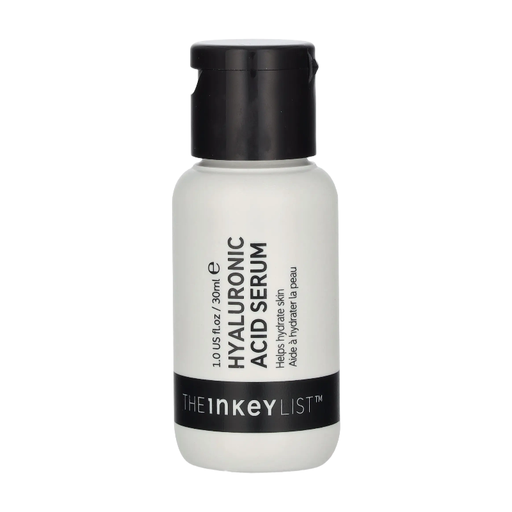
Why This Fits Their Persona: A straightforward serum choice for shoppers building a daily routine without adding a heavy or perfumed step.
The 30ml formula lists hyaluronic acid, sodium hyaluronate, glycerin and peptides, allowing shoppers to assess the actual ingredients rather than relying only on front-label promises.
Fragrance-free formula with a lightweight texture; designed for use on damp skin before moisturiser.
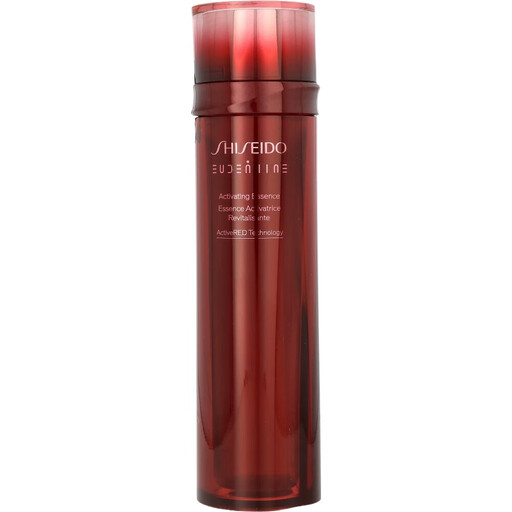
Why This Fits Their Persona: Suits users who want a more refined essence-water experience and appreciate a refillable packaging format.
Its listed ingredients make the formula easier to compare: it includes two forms of hyaluronic acid and vitamin C derivative, but also alcohol and fragrance allergens that sensitive users should consider.
145ml size; refill system stated to reduce plastic use; suitable for application after cleansing and before serum.
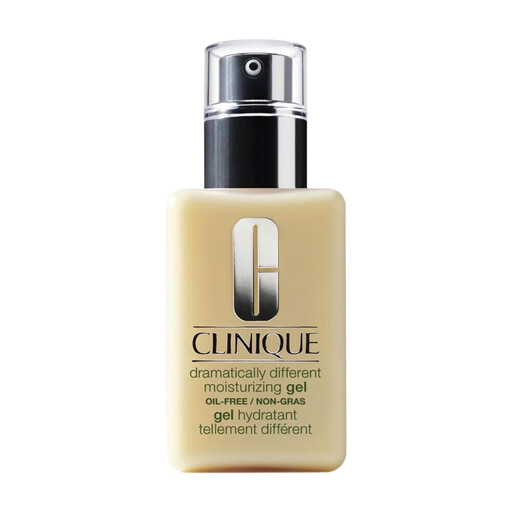
Why This Fits Their Persona: A practical option for people who dislike greasy facial moisturiser textures or need a product that sits comfortably under make-up.
The oil-free gel format avoids the assumption that every hydrating formula must be rich or oily. The ingredient list can be checked for dimethicone, glycerin and sodium hyaluronate.
125ml size; oil-free and fragrance-free according to the supplied product information; intended for morning and evening use.
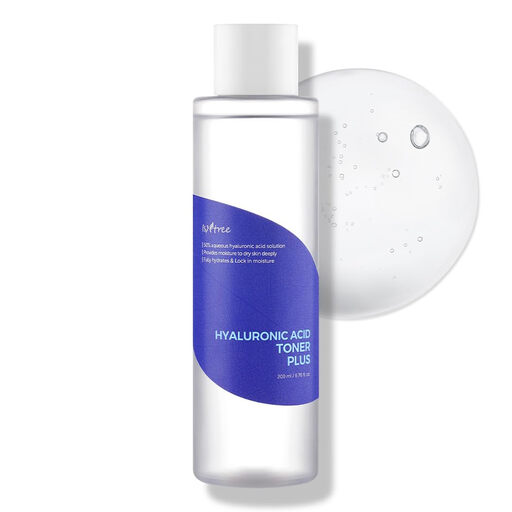
Why This Fits Their Persona: Suitable for users who prefer a richer toner layer and want to build a Korean skincare routine around hydration and barrier care.
Five forms of hyaluronic acid are listed alongside panthenol, centella asiatica, trehalose and plant extracts, giving more context than a single “multi-level hydration” claim.
200ml format; no artificial fragrance or alcohol listed in the supplied description; can be applied in layers.
Products marketed as firming skincare or anti-ageing skincare should be introduced gradually when they contain retinoid-related ingredients, exfoliating acids or several active ingredients. Avoid applying new products to broken or irritated skin, and stop use if persistent redness, swelling or itching develops.
We have compiled a complete, real-time list of products that fully satisfy these strict selection criteria and UK safety regulations.
Dry skin often benefits from a combination of humectants and moisture-sealing ingredients. Consider a hydrating toner or serum followed by a richer moisturiser containing ingredients such as glycerin, ceramides, dimethicone or squalane. Adjust the number of layers if the skin feels heavy or congested.
Yes, provided both products feel comfortable and do not cause pilling. Apply the thinner product first, preferably to slightly damp skin, then follow with serum and moisturiser. Using several similar products is optional rather than essential.
Shelf life varies by formula, packaging and storage conditions. Check the packaging for the period-after-opening symbol, batch information and manufacturer guidance. Keep products away from direct sunlight and high temperatures, close containers promptly and avoid sharing them.