
24/7 Customer Support

Free returns

Same-day & Next-day Delivery

Quality Guaranteed

Unlock Your Welcome Offers: FREE Delivery | Up to 80% OFF | Free 30-day JoyPlus trial
Download the APP
Choosing between hydration drinks and bottled water can seem straightforward until you compare bottle sizes, ingredients, caps, pack quantities and storage requirements. Marketing often focuses on words such as “natural”, “refreshing” or “electrolyte”, while the details that affect everyday value are easier to miss.
For UK households, students, commuters and gym-goers, three purchasing traps appear regularly:
Start with the nutrition panel rather than the front-of-pack claims. If you are seeking zero-sugar drinks, check the “of which sugars” figure per 100ml and per serving. Some drinks use sweeteners such as erythritol, sucralose or steviol glycosides. These can provide sweetness without the same sugar content as a conventional soft drink, but taste preferences vary.
For electrolyte water and sports hydration drinks, look for the actual listed ingredients. Potassium chloride and salt, for example, are identifiable ingredients, but their presence does not mean the drink is necessary for every activity. For short commutes, lessons or office use, plain water may be sufficient. For longer or more demanding exercise, some shoppers may prefer a flavoured drink containing electrolytes.
Also check caffeine, allergens and serving size. “Flavoured” does not always mean sugar-free, and “vitamin-enriched” does not make a beverage a substitute for a balanced diet.
The right capacity depends on where the drink will be used:
A sports cap water bottle can make drinking easier while walking, cycling or exercising, particularly when one-handed use matters. However, inspect the seal, cap mechanism and cleaning instructions. A cap that is awkward to wash may become inconvenient even if it looks practical on the shelf.
Natural mineral water must come from a recognised underground source and retain its characteristic mineral composition, while other bottled water categories have different definitions and treatment rules. Compare the mineral profile if taste matters to you. Calcium, magnesium, bicarbonates and sodium can vary considerably between waters.
Packaging also affects suitability. PET bottles are lightweight and convenient for multipacks, while aluminium bottles are reusable but require inspection for dents, sharp edges or coating damage. Store bottled water in a cool, dry place away from direct sunlight, and check that seals are intact before drinking. Follow the printed best-before information and do not use damaged or leaking containers.
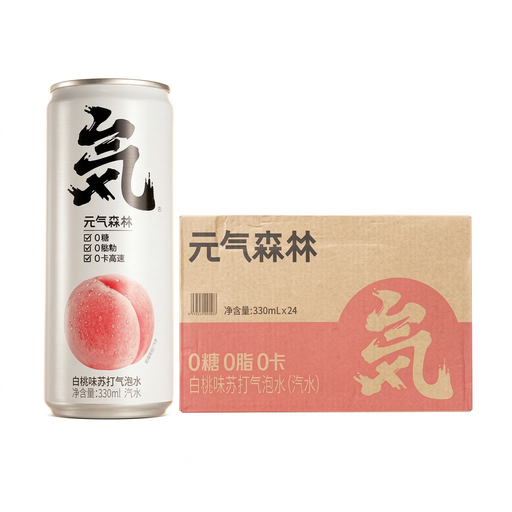
Why This Fits Their Persona: The 24-bottle format gives students, families and office workers individual 330ml servings for lunches, shared kitchens or packed bags.
The product description specifies zero sugar and zero calories per 100ml, helping shoppers distinguish it from sweetened peach soft drinks. It is sparkling, so it should be selected for taste rather than sports-cap convenience.
330ml bottles; white peach flavour; listed as zero sugar and zero calories per 100ml.

Why This Fits Their Persona: A 750ml sports-cap bottle suits shoppers who value a natural mineral water format for work, travel, meals or workout hydration.
The listing identifies the ingredient as natural mineral water and provides mineral values, rather than relying only on broad purity language. The sports cap is clearly specified for one-handed pouring.
750ml capacity; PET packaging; listed mineral composition; sports-cap closure.

Why This Fits Their Persona: The 15-pack works for families preparing water for school, gym users and shoppers who want individually bottled drinks ready for busy days.
The ingredient information identifies potassium chloride, salt, erythritol and sucralose. This lets shoppers compare the formula with plain water and check whether the flavour and sweeteners suit their preferences.
15 × 600ml bottles; white peach flavour; includes listed electrolytes and vitamins.
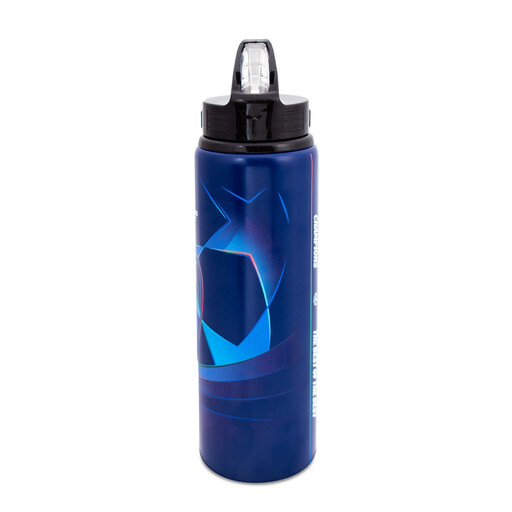
Why This Fits Their Persona: This reusable 750ml aluminium bottle is suited to commuters, students and football supporters who want a refillable option for still drinks at work, school or the gym.
The safety information states that it is not suitable for carbonated or pressurised beverages unless specified. Checking this limitation prevents misuse and avoids treating every reusable bottle as interchangeable.
750ml capacity; aluminium construction; reusable design; officially licensed UEFA Champions League graphics.
We have compiled a complete, real-time list of products that fully satisfy these strict selection criteria and UK safety regulations.
It depends on the activity and your preferences. Plain bottled water or natural mineral water is a straightforward option for school, work and travel. Electrolyte drinks may appeal during longer or more demanding exercise, but check the label for sugar, sweeteners, sodium and serving size before buying.
Keep sealed bottles in a cool, dry place away from sunlight and strong odours. Follow the best-before information printed on the packaging. Once opened, drinking the bottle promptly and avoiding contact between the cap and dirty surfaces is sensible. Do not drink from a bottle that is leaking, damaged or has an unusual appearance or smell.
They can be convenient where carbonation and flavour are welcome. Check the bottle size, sugar content and whether the recipient prefers sparkling drinks. For bags, sport or one-handed use, a still drink with a secure sports cap may be more practical than a carbonated bottle.