
24/7 Customer Support

Free returns

Same-day & Next-day Delivery

Quality Guaranteed

Unlock Your Welcome Offers: FREE Delivery | Up to 80% OFF | Free 30-day JoyPlus trial
Download the APP
Choosing between hydration drinks and reusable water bottles can seem straightforward, but product descriptions often leave out the details that matter in daily use. A bottle may be labelled “leakproof” without clarifying whether the seal works with a straw fitted. A drink may highlight vitamins or electrolytes while offering little information about sweeteners, sugar or serving size.
For school, work, commuting, sport and travel, the right choice depends on how you will use it, how often you will clean it and what you actually want from your drink.
Electrolyte drinks can be useful for people who sweat heavily during prolonged exercise, but they are not automatically more suitable for routine desk work or short journeys. Check the nutrition panel, serving size and sweeteners rather than relying on front-of-pack wording.
Vitamin drinks may contain nutrients such as vitamin C or B vitamins, but they should not be treated as a substitute for a balanced diet. Compare sugar content carefully: two drinks with similar fruit flavours can have very different nutritional profiles.
For a sugar-free option, sparkling water can provide flavour and carbonation without sugar. However, carbonated drinks may not be suitable for every reusable bottle, particularly models with warnings against highly carbonated beverages.
A leakproof water bottle depends on the cap, gasket, straw position and how securely it is closed. Some tumblers are only fully leakproof when the straw is removed. If you carry a bottle in a work bag or school backpack, look for a clearly stated seal design and follow the manufacturer’s care instructions.
A 40 oz bottle holds a substantial amount, but it may be heavy when full and may not fit a standard car cup holder. Conversely, a 500ml bottle is easier to carry but may require more frequent refilling during sport or travel. Capacity should match access to refill points, bag space and your willingness to carry extra weight.
Stainless steel water bottles are generally chosen for durability and resistance to odours or flavour transfer. Look for food-contact materials and details such as 18/8 or 304 stainless steel. BPA-free plastic components, including caps and straws, are also useful to check.
Reusable glass water bottles can offer a neutral taste and resistance to staining, but glass remains breakable. A silicone sleeve or base provides some protection, not an assurance against damage. Do not use a bottle with chips or cracks, and avoid sudden temperature changes.
Cleaning is just as important as construction. Wide-mouth designs are easier to reach with a brush. Check whether the bottle, lid and straw are dishwasher-safe separately; a dishwasher-safe lid does not necessarily mean the complete bottle is suitable for machine cleaning.
Double-wall vacuum insulation is a practical feature for commuters, athletes and travellers who want cold drinks to remain cool for longer. Product claims such as “cold for 24 hours” describe the stated performance under specified conditions, so results can vary with starting temperature, ice and how often the lid is opened.
Insulated water bottles may also make the exterior less prone to condensation. Do not place stainless steel bottles in a microwave, and follow warnings about hot liquids, steam pressure and carbonated drinks.
Tumblers with straws are convenient for sipping at a desk or in a car, while a chug or spout opening can be more suitable for quick drinks during exercise. A tapered base may fit a car cup holder, but large bottles often do not.
For school or office use, consider:
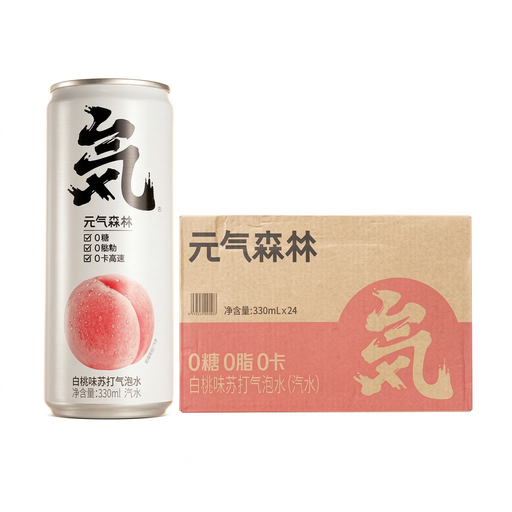
Why This Fits Their Persona: A multi-pack suits students, families and office teams wanting ready-to-serve sugar-free sparkling water without buying individual bottles each day.
The listing states zero sugar and zero calories per 100ml, allowing shoppers to check the nutrition information rather than relying only on “healthy” wording.
330ml individual bottles; white peach flavour; sparkling format; stated zero sugar.
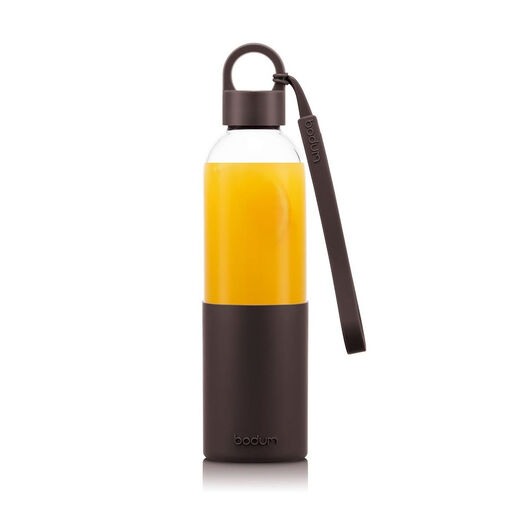
Why This Fits Their Persona: Suitable for office workers, commuters and shoppers who prefer a glass drinking surface and a compact 0.5-litre format.
The bottle uses a screw cap with a silicone gasket and includes a removable silicone sleeve, while the listing clearly states that the glass remains breakable.
Borosilicate glass; silicone sleeve and carrying strap; dishwasher-safe bottle and components according to the listing.
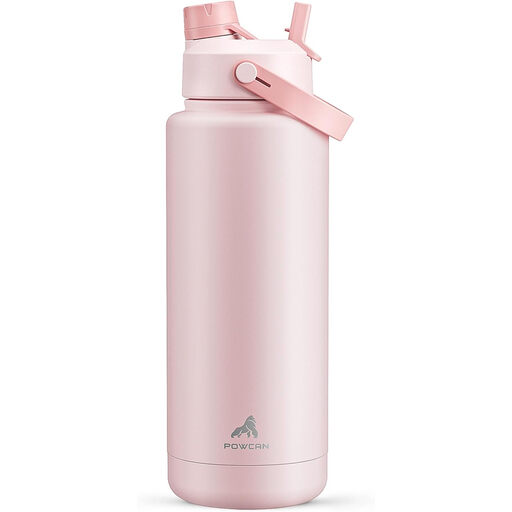
Why This Fits Their Persona: Designed for athletes, travellers and people who need a large drink supply for extended periods away from a kitchen or refill point.
The listing clearly notes that its 40 oz size does not fit standard car cup holders, preventing an unpleasant portability surprise.
40 oz capacity; double-wall insulation; 2-in-1 straw and chug lid; stated cold retention of up to 24 hours.
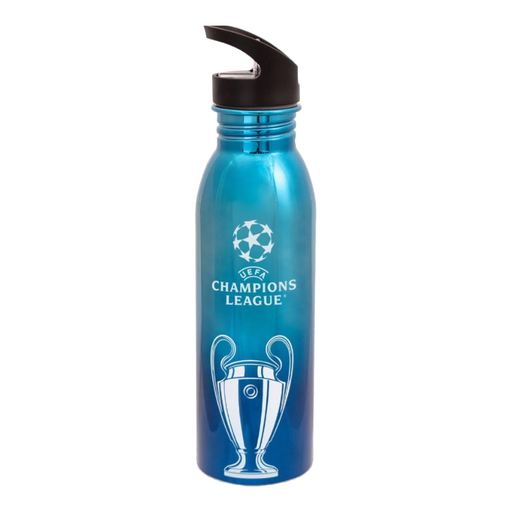
Why This Fits Their Persona: A practical Champions League water bottle for football supporters who want tournament branding alongside a useful everyday capacity.
The 700ml capacity and stainless steel material are stated clearly, so buyers can assess everyday practicality beyond the licensed design.
700ml capacity; stainless steel construction; UV-coated Champions League design; suitable for school, work, gym or travel.
We have compiled a complete, real-time list of products that fully satisfy these strict selection criteria and UK safety regulations.
Not usually. For routine school, office or commuting needs, plain water or a low-sugar drink may be sufficient. Electrolyte drinks are more relevant to prolonged, sweaty activity, but check the ingredient and nutrition panels before buying.
There is no single lifespan. A stainless steel bottle can remain usable for a long time if the body, cap and seals stay intact. Replace damaged lids, worn gaskets or bottles with persistent odours that cannot be removed through proper cleaning. Glass bottles should be replaced if cracked or chipped.
The ongoing cost is generally limited to tap water, cleaning and occasional replacement parts, but the initial purchase price varies by material and insulation. If you regularly buy drinks while travelling, carrying a suitable leakproof water bottle can reduce repeat purchases. Choose a capacity you will genuinely carry and refill, rather than paying for a large bottle that stays at home.