
24/7 Customer Support

Free returns

Same-day & Next-day Delivery

Quality Guaranteed

Unlock Your Welcome Offers: FREE Delivery | Up to 80% OFF | Free 30-day JoyPlus trial
Download the APP
Choosing among hydration drinks can be less straightforward than picking a flavour. Shelves and online listings include electrolyte drinks, aloe vera beverages, coconut water, vitamin C drinks, sports hydration drinks and hydration sachets, all marketed for slightly different purposes.
For UK shoppers, the most suitable option depends on the ingredients, sugar content, electrolyte levels, pack format and when you plan to drink it. A refreshing ready-to-drink beverage may suit a commute, while a concentrated electrolyte sachet may be more practical for long training sessions.
Water is the main ingredient in most hydration drinks, but added vitamins, fruit extracts or plant ingredients do not automatically make a product suitable for every situation. A vitamin C drink may provide vitamin C, while an electrolyte drink may contain sodium, potassium and magnesium. These features should be assessed separately rather than treated as a general health endorsement.
Check the nutrition panel and ingredient list instead of relying only on front-of-pack wording such as “functional”, “natural” or “recovery”.
Aloe vera drinks and fruit-based beverages can taste light while still containing considerable sugar. For example, the listed OKF Aloe Vera King Original Drink contains 41g of sugars per 500ml bottle, while the Peach version lists 10g per 100ml.
If you want lower-sugar or sugar-free hydration drinks, compare the figures per serving and per 100ml. This prevents a large bottle or multipack from disguising the total amount consumed.
Electrolyte products are not interchangeable. A low-calorie ready-to-drink can may contain a modest mineral blend, while a hydration sachet can provide a much higher sodium amount in a single serving. HUNTER & GATHER Restore sachets list 750mg sodium, 150mg potassium and 80mg magnesium per sachet.
That level may be relevant to people undertaking prolonged, sweaty activity, but it is not automatically necessary for ordinary desk-based hydration. Anyone managing a medical condition, following a low-sodium diet or taking medication should check the label and seek appropriate medical advice before using electrolyte supplements.
For everyday drinking, compare:
Cadence Core drinks list 0g sugar and 5 calories per 330ml bottle, using plant-based sweeteners. By contrast, many aloe vera drinks contain cane sugar, fructose or both. A sugar-free formula may suit shoppers tracking carbohydrate intake, while a naturally sweet coconut water may be preferable if you want a short ingredient list.
Look for named minerals and actual quantities rather than broad claims about “mineral balance”. Cadence Core Cola, Melonberry and Citrus drinks list sodium, potassium and magnesium, with the 330ml serving providing 190mg potassium and 30mg magnesium alongside 1.25g salt.
For everyday hydration, a standard bottle may be convenient. For endurance training, hot outdoor work or prolonged sweating, a higher-electrolyte formula in a measured sachet may be easier to adjust with 500ml to 1 litre of water. Follow the stated serving instructions and do not assume that more electrolytes are always preferable.
Ready-to-drink hydration is convenient, but multipacks take up more storage space and opened bottles often need refrigeration. Aloe vera products may also contain gel pieces, stabilisers and sweeteners, so shake the bottle if the label instructs you to do so.
Before purchasing, check:
Coconut water is often sold in 1-litre cartons, while hydration sachets are compact and do not require chilled storage before mixing.
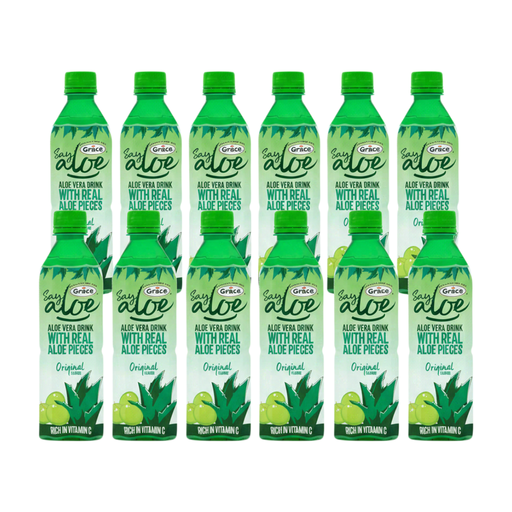
Why This Fits Their Persona: A 12-bottle pack provides a practical introduction to aloe vera drinks for home, work or chilled serving. Each 100ml contains 19 calories and 4.4g sugar, with 26mg vitamin C listed per 100ml.
The nutrition information makes the sugar and calorie content clear, avoiding the assumption that aloe vera drinks are automatically sugar-free.
12 x 500ml bottles; real aloe pieces; no artificial colours or preservatives listed.
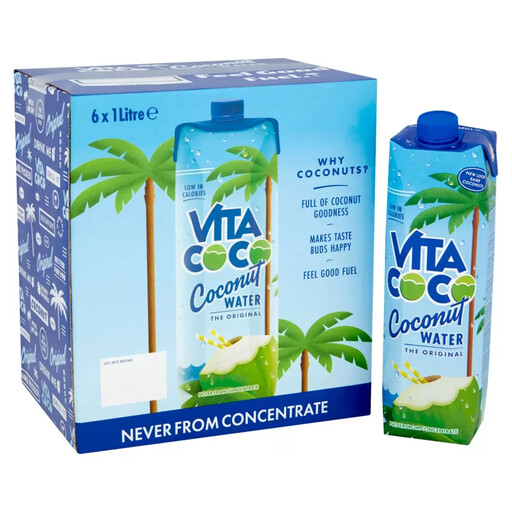
Why This Fits Their Persona: This multipack suits shoppers who prefer coconut water with a short ingredient list and a larger format for the fridge or smoothie preparation.
The listing specifies coconut water as the primary ingredient and gives potassium, calorie and sugar values per 250ml glass.
99% coconut water; 463mg potassium per 250ml; suitable for vegetarians and vegans.
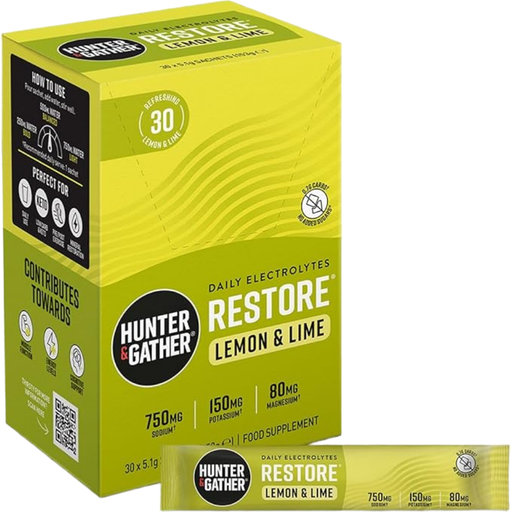
Why This Fits Their Persona: Individual sachets are convenient for endurance training, outdoor work, travel or gym bags where chilled ready-to-drink hydration is less practical.
The sachet provides named mineral quantities and a stated serving size, rather than leaving electrolyte strength unclear.
30 individually packed sachets; 750mg sodium, 150mg potassium and 80mg magnesium per serving; no added sugar listed.
We have compiled a complete, real-time list of products that fully satisfy these strict selection criteria and UK safety regulations.
Not always. For many everyday routines, water and regular meals may be sufficient. Electrolyte drinks can be more relevant after prolonged sweating, endurance exercise or time spent in hot conditions. Compare sodium, potassium and magnesium levels before choosing one.
It depends on the product. Vita Coco lists 19 calories per 100ml, while some aloe vera drinks list between 36 and 50 calories per 100ml. Always check the nutrition table, as sugar content varies considerably between flavours and brands.
Follow the product label. The HUNTER & GATHER sachets are designed to be mixed with water, with the instructions allowing dilution in approximately 500ml to 1 litre. Do not consume the powder dry, and check the sodium warning if you have dietary or medical restrictions.