
24/7 Customer Support

Free returns

Same-day & Next-day Delivery

Quality Guaranteed

Unlock Your Welcome Offers: FREE Delivery | Up to 80% OFF | Free 30-day JoyPlus trial
Download the APP
Choosing hydration drinks online can seem straightforward until you compare sugar levels, serving sizes, ingredients and intended use. A colourful bottle may look suitable for a gym bag, while a large drinks multipack may appear good value but contain more sweetener or sugar than expected.
For UK shoppers, the right choice depends on when and how the drink will be consumed. Water remains suitable for ordinary daily fluid intake, while electrolyte drinks, sports hydration drinks, coconut water, fruit drinks and teas each offer different flavour, ingredient and convenience profiles.
The word hydration does not automatically mean low-calorie or sugar-free. Some fruit drinks, aloe vera drinks and isotonic drinks contain sugar, glucose syrup or fructose. Check the nutrition information per 100ml, then calculate the amount in the full bottle or carton.
For example, a 500ml drink containing 10g of sugar per 100ml provides 50g in the whole bottle. A smaller serving may be easier to manage than a large bottle consumed quickly.
Electrolytes such as sodium and potassium can be included in sports hydration drinks and coconut water, but that does not make every electrolyte drink necessary for routine desk work or short errands. For moderate everyday activity, select based on taste, ingredients, calories and price rather than assuming a specialised formula is required.
For longer or more demanding exercise, check the label for carbohydrate, sodium and serving guidance. Do not treat marketing descriptions as medical advice.
A drinks multipack can offer convenience for families, school lunches or office storage, but large packs require cupboard or fridge space. Some ready-to-drink beverages need refrigeration after opening and should be consumed within a stated period.
Powdered milk tea, meanwhile, may look like a bottled drink but requires hot water and contains milk ingredients. Always check preparation instructions, allergens and the best-before information before ordering.
Compare products using the nutrition panel rather than front-of-pack language. Useful details include:
A drink described as refreshing may still be relatively sweet. If you prefer lighter options, sparkling water infused with flavour or a tea drink with a lower sugar figure may be more suitable.
For sports hydration drinks, look for clearly listed minerals such as sodium, potassium, magnesium or calcium. A product may also contain carbohydrate for exercise-related energy. Compare the nutritional panel with your activity level and follow the label’s serving directions.
Some isotonic drinks are designed for use during exercise, while coconut water provides a fruit-based option with naturally occurring potassium. These are different product types, so avoid comparing them solely by packaging or flavour.
UK product labels should be checked for allergens, including milk, soya and cereals where applicable. For imported Asian drinks, translated product information and packaging should both be reviewed where available.
Storage instructions are equally important. Chilled drinks should be refrigerated after opening, while ambient products should be kept away from direct sunlight. If aloe pulp settles at the bottom, shaking the bottle before opening may be recommended.
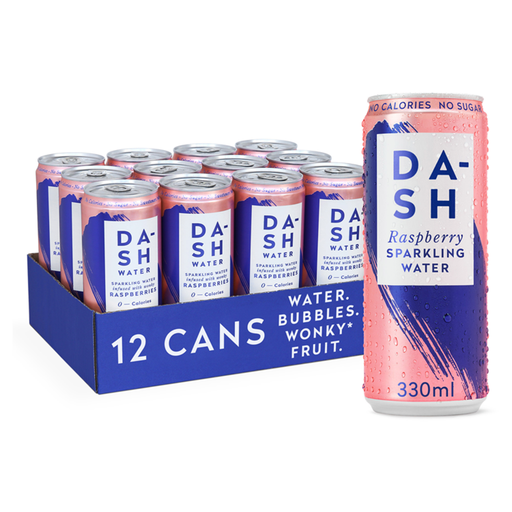
Why This Fits Their Persona: A compact 12-can pack suits shoppers wanting flavoured refreshment for work, commuting or sharing without buying a large bottle format.
The label lists 0g sugar and 1kcal per 100ml, helping shoppers check the drink against low-calorie preferences rather than relying on appearance.
Carbonated spring water with raspberry extract; no listed allergens and no sweeteners.
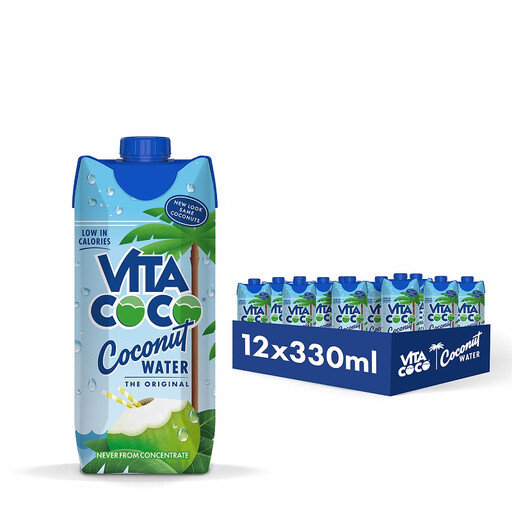
Why This Fits Their Persona: Suitable for shoppers seeking coconut water with a short ingredient list for lunchboxes, post-exercise refreshment or chilled everyday drinking.
The nutrition panel states 19kcal and 3.7g sugars per 100ml, making the full 330ml carton easier to assess before purchase.
Contains 99% coconut water and provides 611mg potassium per 330ml carton; suitable for vegan and vegetarian diets according to the listing.
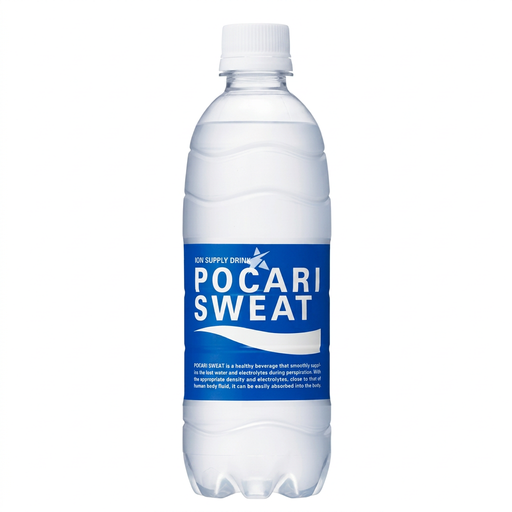
Why This Fits Their Persona: A ready-to-drink option for gym sessions, outdoor activity or occasions involving substantial sweating, subject to personal dietary requirements.
Its ingredient list identifies sugar, salt, potassium chloride, calcium lactate and magnesium chloride, allowing a direct comparison with other isotonic drinks.
Provides 25kcal and 49mg sodium per 100ml; the 500ml bottle is portable and ready to drink.
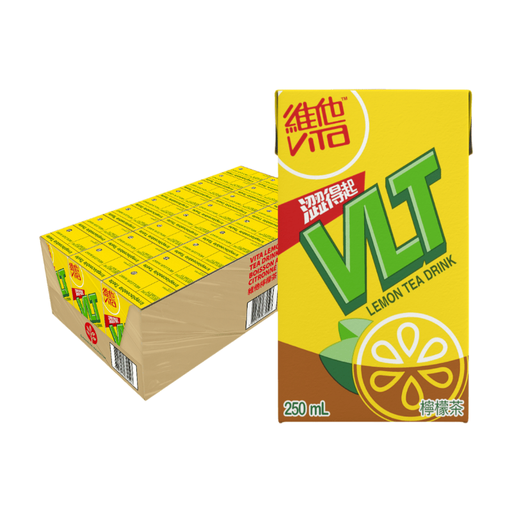
Why This Fits Their Persona: The carton format works for office cupboards, family sharing and customers who enjoy lemon tea as an alternative to fizzy soft drinks.
The 250ml portion size makes intake easier to monitor than an oversized bottle, while the label clearly lists sugar and lemon juice content.
24 individual cartons; black tea extract and 0.5% lemon juice from concentrate; suitable for chilled serving.
We have compiled a complete, real-time list of products that fully satisfy these strict selection criteria and UK safety regulations.
Some are, depending on their ingredients and nutritional profile. Water is a straightforward everyday option. Flavoured sparkling water, unsweetened drinks and lower-sugar options may suit regular refreshment, while sugary electrolyte drinks and sports beverages are better matched to specific activity or taste preferences.
For shorter or moderate sessions, water may be sufficient. After longer, hotter or sweat-heavy activity, shoppers may consider sports hydration drinks or electrolyte drinks containing sodium and carbohydrates. Check the label and choose a serving size that fits your needs rather than assuming a larger bottle offers greater value.
Multipacks can reduce the cost per unit and simplify regular shopping, but compare the price per litre, total sugar and storage requirements. A 24-pack of small cartons may be convenient for school or work, whereas larger bottles may create more waste if they are not finished before the recommended storage period.