
24/7 Customer Support

Free returns

Same-day & Next-day Delivery

Quality Guaranteed

Unlock Your Welcome Offers: FREE Delivery | Up to 80% OFF | Free 30-day JoyPlus trial
Download the APP
Whether you need a bottle for the gym, a drink for a school bag or a multipack for the household, hydration drinks cover a wide range of products. Electrolyte drinks, coconut water, aloe vera drinks, fruit juice drinks and energy drinks may all appear in the same online category, but they serve different purposes.
The main shopping challenge is separating practical features from attractive packaging and broad wellness language. A drink can taste refreshing without being suitable for exercise, while a large multipack may offer convenience but contain more sugar than expected. Use the checks below before adding drinks to your basket.
A sweetened fruit drink or tropical drink may be enjoyable after a long day, but it is not automatically a sports hydration drink. During extended or high-intensity exercise, shoppers may specifically want a drink containing carbohydrates and electrolytes. For ordinary desk work, commuting or meals, plain water and lower-sugar options may be more appropriate.
Check the intended use, serving size and nutrition panel rather than relying on phrases such as “refreshing” or “recharge”.
Terms such as “natural”, “vitamin”, “wellness” or “electrolyte” do not tell you how much sugar, caffeine or salt a drink contains. Turn the pack around and compare:
A 500ml bottle can contain five times the amount shown per 100ml, so calculate the full serving before comparing products.
Drinks multipacks can reduce repeat shopping, but not every product has the same shelf-life or storage needs. Some ready-to-drink beverages need refrigeration after opening and should be consumed within two to three days. Large bottles may be less convenient if you live alone or rarely drink that flavour.
Choose single bottles or smaller packs when testing an unfamiliar taste. Larger packs make more sense for family households, workplaces or regular training routines.
For an everyday drink, compare the per-bottle figures, not just the per-100ml panel. For example, the DP lemon electrolyte drink lists 26kcal and 6.0g sugar per 100ml. Its 555ml bottle therefore contains approximately 144kcal and 33g sugar, based on the listed values.
By contrast, the supplied information for FOCO 100% Natural Coconut Water lists 21kcal and 5.0g sugar per 100ml. It contains no added sugar according to the ingredient list, but it still contains naturally occurring sugars. “No added sugar” does not mean sugar-free.
Electrolytes generally refer to minerals such as sodium and potassium. They are relevant when comparing sports hydration drinks, especially for people exercising for longer periods or sweating heavily. However, the word “electrolyte” alone does not indicate the quantity supplied.
Sports energy products may also contain carbohydrates. The Science in Sport GO Isotonic Energy Orange Drink provides a 60ml serving with 87kcal and 22g carbohydrate, so it is a concentrated sports product rather than a casual drink for sipping throughout the day.
Energy drinks can contain significant caffeine. The Monster Energy Original Green listing states 32mg caffeine per 100ml, equivalent to 160mg in a 500ml can. It is not recommended for children, pregnant or breastfeeding women or people sensitive to caffeine. Lucozade Energy Orange also contains caffeine and should be assessed using the same label-first approach.
For protein shakes, check milk content and protein per serving. For aloe vera drinks, check whether they contain aloe gel or pieces, sweeteners and any usage warnings. Always read the packaging supplied with the product, as ingredients and instructions can change.
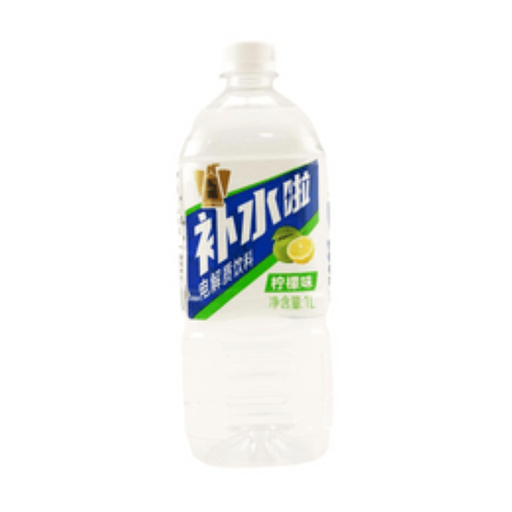
Why This Fits Their Persona: A single 555ml ready-to-drink bottle is a straightforward way to try an electrolyte drink for school, commuting or occasional exercise without committing to a large multipack.
The listing provides ingredients and nutrition per 100ml, making it easier to check sugar and energy before drinking the full bottle.
Lemon flavour, listed electrolytes and a portable 555ml format.
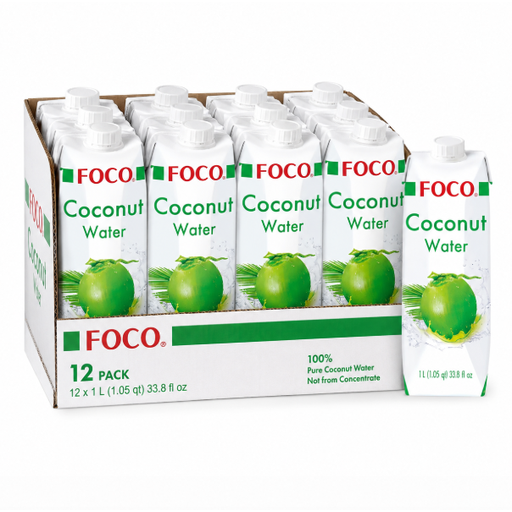
Why This Fits Their Persona: Suitable for shoppers seeking a simple tropical drink with a short ingredient list for home use, warm-weather refreshment or family sharing.
The ingredient list states 100% coconut water, helping shoppers distinguish it from coconut-flavoured drinks with added sugar.
100% coconut water and a 12 x 1L household pack.
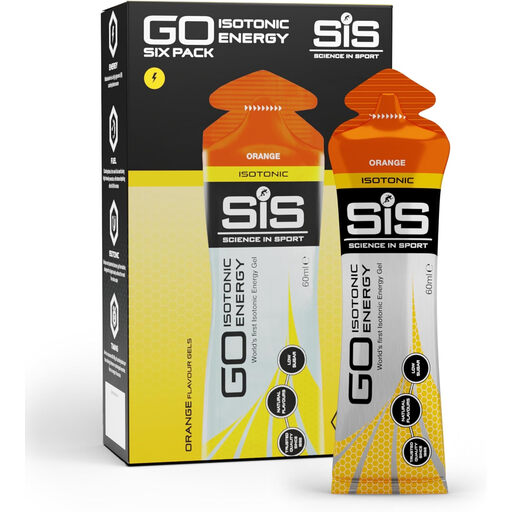
Why This Fits Their Persona: Designed for cyclists, runners and fitness users who want a compact carbohydrate drink during medium- or high-intensity training.
The 60ml serving size and carbohydrate content are clearly stated, so it is less likely to be mistaken for an ordinary low-calorie drink.
Portable squeeze packs and 22g carbohydrate per 60ml serving.
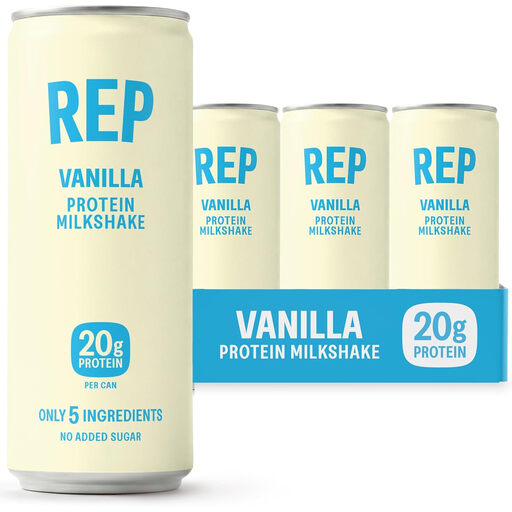
Why This Fits Their Persona: A practical option for adults and vegetarians wanting a chilled, portioned drink after exercise or between meals.
The listing gives protein, calorie and milk-allergen information per 250ml can, rather than relying on a general fitness message.
20.3g protein and 150kcal per can, with five listed ingredients.
We have compiled a complete, real-time list of products that fully satisfy these strict selection criteria and UK safety regulations.
They can be consumed as part of a varied diet, but they are not automatically necessary for routine desk work or short errands. Compare sugar, sodium and serving size, and consider whether the drink is intended for exercise. For everyday use, choose based on taste, ingredients and personal dietary needs.
This depends on the duration and intensity of activity. Sports hydration drinks containing carbohydrates and electrolytes may suit longer or more demanding sessions. A compact isotonic energy pouch can be more practical than a large bottle for running or cycling. Always follow the product’s directions and do not exceed the stated usage guidance.
Follow the label for each product. Unopened drinks are commonly stored in a cool, dry place away from direct sunlight. Once opened, many products should be refrigerated and consumed within a specified period. Check the best-before information, and do not consume cans or bottles that are damaged, leaking or unusually swollen.