
24/7 Customer Support

Free returns

Same-day & Next-day Delivery

Quality Guaranteed

Unlock Your Welcome Offers: FREE Delivery | Up to 80% OFF | Free 30-day JoyPlus trial
Download the APP
Choosing hydration powder supplements can seem straightforward until you compare electrolyte levels, serving sizes, sweeteners and added performance ingredients. A brightly packaged drink mix may not provide the electrolyte profile you need, while a large tub can become poor value if you only use it occasionally.
As the Joybuy Product Recommendation Officer, my approach is simple: look past the headline claims and compare the label with your actual routine. Whether you need an electrolyte hydration powder for long runs, portable electrolyte sachets for travel or an amino acid recovery powder for gym sessions, the following checks can help you avoid expensive mismatches.
Not every powder is designed for the same purpose. An electrolyte drink mainly supplies minerals such as sodium, potassium and magnesium. An EAA recovery supplement or BCAA hydration powder adds amino acids, while a creatine and electrolytes powder is intended to combine hydration support with a daily creatine serving.
Buying a formula with multiple extras is not automatically more suitable. If your priority is replacing fluid and electrolytes after sweating, a simpler product may be easier to use and compare. If muscle-support ingredients are important, check their individual quantities rather than relying on words such as “advanced” or “complete”.
A sugar-free hydration drink may still contain sweeteners, flavourings or carbohydrates from other ingredients. Check the nutrition panel and ingredients list. Some products use sucralose or acesulfame K, while others use steviol glycosides or monk fruit extract. These choices affect taste and may matter if you have specific dietary preferences.
Also check serving volume. A powder mixed into 500–700ml of water will taste less concentrated than the same amount mixed into 250ml.
Focus and energy products can contain caffeine alongside vitamins, taurine or L-theanine. For example, one serving of fourfive Hydro Plus contains 80mg of caffeine, while ViDrate Boost lists 90mg per sachet. Consider your total daily caffeine intake, particularly if you drink coffee or use pre-workout products.
Avoid stacking several supplements containing the same vitamins, minerals or stimulants without checking the labels. Follow the stated serving guidance and seek advice from a healthcare professional if you are pregnant, breastfeeding, taking medication or managing a medical condition.
Sodium is particularly relevant when you sweat heavily, but the suitable amount depends on your activity, diet, weather and individual circumstances. Compare the quantity per serving, not just the total powder weight.
For everyday hydration or shorter gym sessions, a lighter formula may be practical. For endurance training, hot-weather activity or prolonged sweating, look for a clearly stated electrolyte profile containing sodium and supporting minerals such as potassium and magnesium. Products such as sports hydration powder and electrolyte sachets should also state how much water to use.
Amino acids and creatine do not replace a balanced diet, adequate fluid intake or suitable training habits. They simply make a product more targeted to a particular use.
Tubs can offer more servings for regular users, while single-serve sachets are convenient for commuting, races, holidays and outdoor activities. Check whether the recommended serving is one sachet, one scoop or a weighed amount.
For dietary requirements, confirm the current packaging. Some listed products are described as vegan, dairy-free or gluten-free, but formulations can change. People with allergies should read the label every time before use.
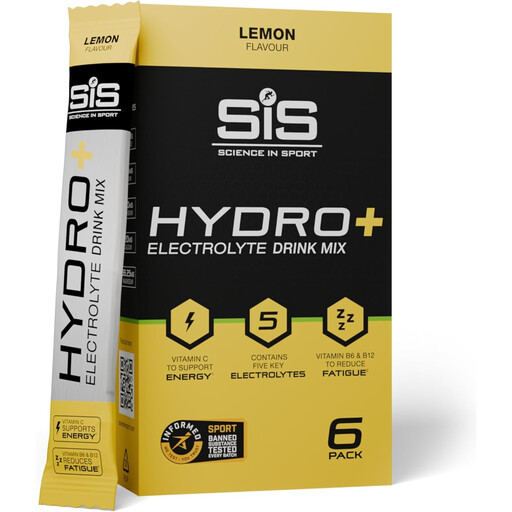
Why This Fits Their Persona: Six single-serve sachets offer a manageable way for new users to try an electrolyte hydration powder for gym sessions, walks or occasional outdoor activities.
The label states the electrolyte and vitamin amounts per 4.1g sachet, making comparison easier than relying on broad “hydration” wording.
Portable format; lemon flavour; includes sodium, potassium, magnesium, calcium and vitamins C, B6 and B12.
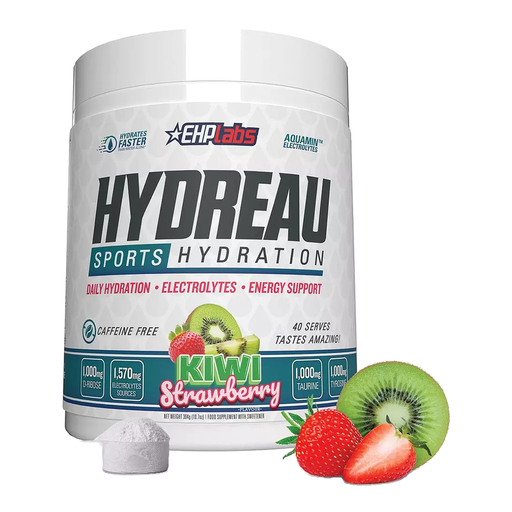
Why This Fits Their Persona: A larger 40-serving tub suits regular gym-goers who want one powder for workouts and daily hydration rather than carrying multiple products.
The product information lists 1,570mg of electrolytes per scoop, 15 calories and 1g of sugar per serving.
40 servings; includes magnesium, potassium, sodium, calcium, taurine, tyrosine and vitamin C.
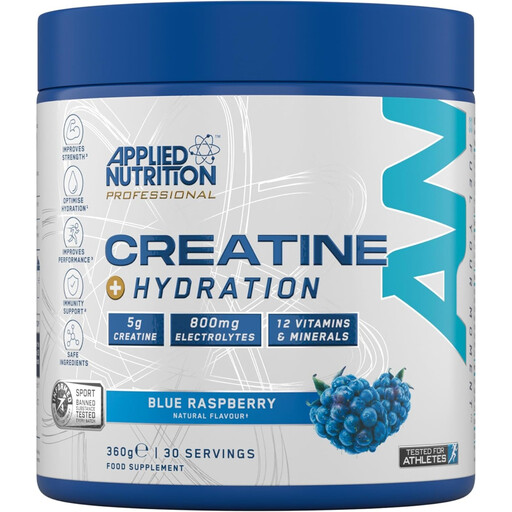
Why This Fits Their Persona: Suitable for adults who already use creatine and want it combined with electrolytes in one daily scoop for resistance or high-intensity training.
The product specifies 5,000mg of creatine monohydrate per scoop, rather than hiding the amount within a proprietary blend.
360g tub; includes potassium, magnesium, calcium and sodium; one stated 12g serving per day.
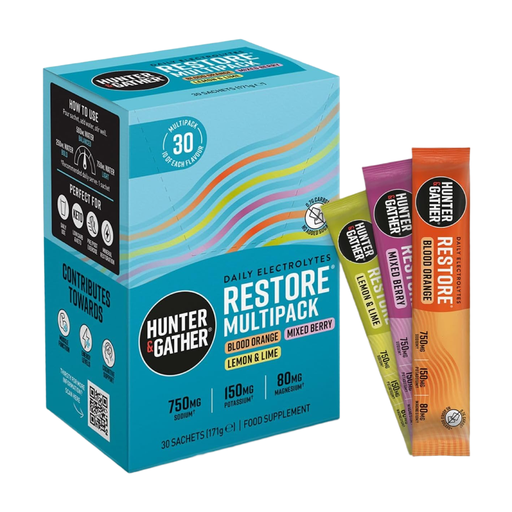
Why This Fits Their Persona: Individual sachets suit commuters, travellers and active adults who prefer a sugar-free format with several flavours to rotate.
The label states 750mg sodium, 150mg potassium and 80mg magnesium per sachet, alongside zero sugar.
30 sachets; variety box with three listed flavours; vegan-friendly product information.
We have compiled a complete, real-time list of products that fully satisfy these strict selection criteria and UK safety regulations.
Follow the product label rather than using a standard amount. Common guidance ranges from 200ml to 700ml of water, depending on the serving size and flavour concentration. Shake or stir until dissolved, and do not consume dry powder.
Some products are labelled for daily use, while others are intended around exercise or heavy sweating. Check the recommended maximum serving and account for other supplements containing electrolytes, vitamins or caffeine.
Sachets usually provide easier portion control and portability, but a tub may offer a lower cost per serving for regular users. Compare the number of servings, recommended dosage and any unused product likely to remain at home. Always store powders sealed, cool and dry, and check the current packaging before consumption.