
24/7 Customer Support

Free returns

Same-day & Next-day Delivery

Quality Guaranteed

Unlock Your Welcome Offers: FREE Delivery | Up to 80% OFF | Free 30-day JoyPlus trial
Download the APP
Finding suitable hydration products can seem straightforward until you compare bottles, tablets, lotions and cleansers. Marketing language often makes every product sound essential, while important details such as sugar content, serving size, allergens and fragrance can be easy to miss.
Whether you need hydration drinks for the office, electrolyte tablets for exercise, or a moisturising body cream for dry skin, a few practical checks can help you avoid paying for features you will not use.
A peach, apple or berry flavour does not automatically mean a drink contains little or no sugar. Check the nutrition panel per 100ml, as well as the total bottle size. A 550ml bottle may contain considerably more carbohydrate than the per-100ml figure first suggests.
Sweeteners also deserve attention. Sugar-free drinks may contain sucralose, acesulfame potassium or erythritol. These can suit shoppers reducing sugar, but some products carry a warning that excessive consumption may produce a laxative effect.
Still water, sparkling spring water and flavoured water can contribute to everyday fluid intake, but they are not automatically electrolyte supplements. If you are comparing hydration drinks for sport, hot weather or extended activity, look for clearly listed sodium, potassium and magnesium, plus straightforward serving instructions.
A drink marketed as “refreshing” may simply be a flavoured beverage. That is not necessarily a problem, but it should not be confused with a rehydration supplement.
A body lotion for dry skin and a facial cleanser serve different purposes. A lightweight lotion may be convenient after a shower, while a richer moisturising body cream may suit rougher areas such as elbows, knees and shins. For the face, look at whether a product is fragrance-free, rinse-free or designed for sensitive skin.
Also check the full ingredient list. Fragrance, essential oils, alcohol and preservatives may be acceptable for many users but less suitable if your skin is easily irritated. Patch testing is a sensible precaution when introducing new hydrating skincare.
For drinks, compare:
For example, Highland Spring Apple & Blackcurrant Still Flavoured Water lists 0g sugar and 1kcal per 100ml, while its ingredients include sucralose. Suntory Peach Water 550ml contains peach juice from concentrate, sugar and sweeteners, with 4.8g of sugars per 100ml. These are different choices rather than direct substitutes.
Natural sparkling spring water can offer a crisp alternative to still water. Highland Spring Sparkling Spring Water lists, per litre, 40.5mg calcium, 10.1mg magnesium and 5.6mg sodium, alongside naturally occurring bicarbonate.
Electrolyte tablets are more concentrated and are intended to be dissolved in water according to the label. Applied Nutrition Bodyfuel Hydro Rehydration Effervescent Tablets provide one 4g tablet per 200ml of water and include sodium, potassium, magnesium, calcium and vitamin C. The packaging states that the product is for adults and is not suitable for anyone under 16.
For skincare, consider:
A micellar water cleanser can be useful when you want a no-rinse cleansing step. A sensitive skin moisturiser should be selected with equal care: “gentle” wording is not a substitute for reading the ingredient list and warnings.
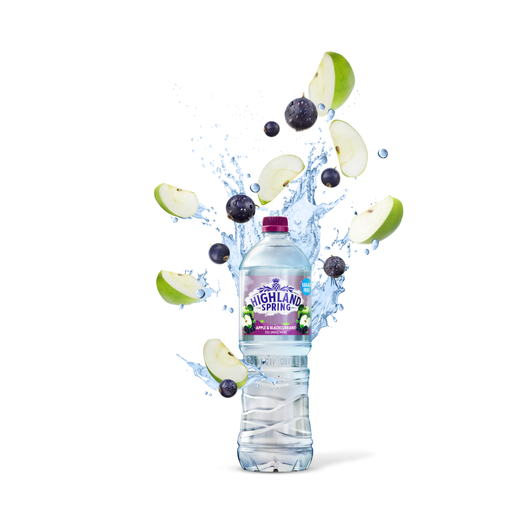
Why This Fits Their Persona: A practical option for families, desks and packed lunches when you want fruit flavour without added sugar.
The listing states 0g sugar per 100ml and identifies sucralose, making the sweetening approach clear.
1.25-litre bottle; still format; no added sugar stated on the product information.
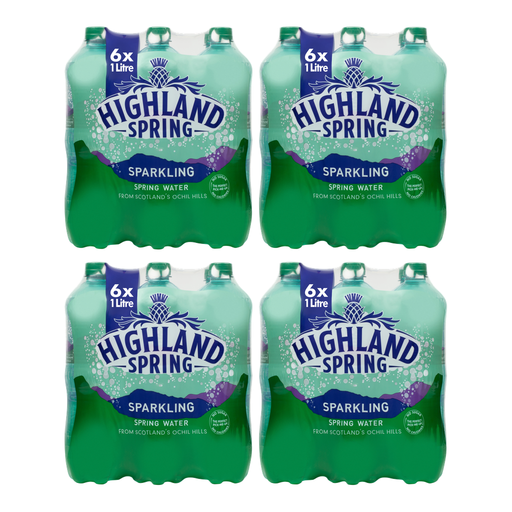
Why This Fits Their Persona: Suits shoppers who prefer sparkling water with meals, after coffee or for home entertaining.
It is presented as natural sparkling mineral water, with its mineral composition listed rather than relying only on lifestyle wording.
Six 1-litre bottles per pack; contains listed calcium and magnesium; recyclable PET information provided.
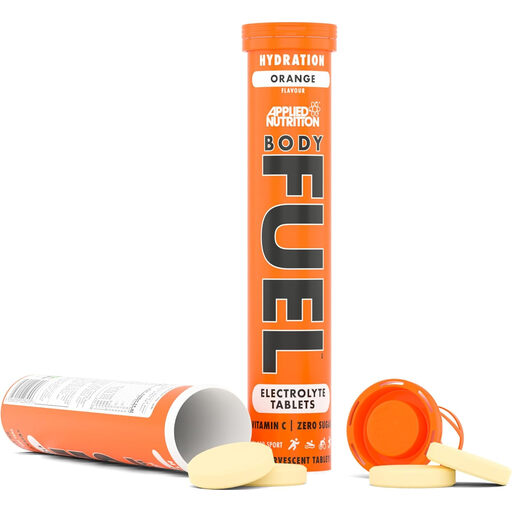
Why This Fits Their Persona: Designed for adults who want a portable format for workouts, warm conditions or longer activities.
The product specifies one tablet in 200ml of water and lists its electrolyte ingredients, rather than leaving concentration unclear.
20 orange-flavour tablets; vegan and vegetarian suitability stated; includes vitamin C, sodium, potassium, magnesium and calcium.
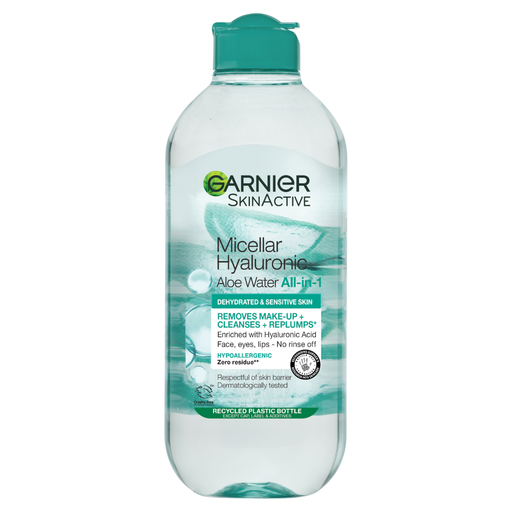
Why This Fits Their Persona: A convenient facial cleansing step for shoppers seeking hydrating skincare for dehydrated or sensitive-feeling skin.
The listing identifies a no-rinse formula and states that it contains no alcohol, oils, parabens or sulphates; check the current packaging for the latest ingredients.
400ml format; micellar technology; includes aloe vera and sodium hyaluronate.
We have compiled a complete, real-time list of products that fully satisfy these strict selection criteria and UK safety regulations.
Sugar-free drinks can be one option for everyday fluid intake, especially if you are reducing sugar. However, check the sweeteners and any usage warnings. Plain still or sparkling water remains a simple choice, while flavoured water may help some people drink more because of its taste.
Electrolyte tablets are generally intended for specific situations such as exercise, hot conditions or extended activity, depending on the product instructions. They are not automatically necessary for routine desk-based hydration. Follow the label, check the age guidance and avoid treating a supplement as a replacement for a varied diet.
Shelf life varies by formula, packaging and storage. Keep body lotion away from direct sunlight and high temperatures, and follow the period-after-opening symbol or expiry information on the pack. Applying a suitable body lotion after bathing can make it easier to maintain a consistent routine, but the amount used will determine how quickly a 200ml, 380ml or 400ml product runs out.