
24/7 Customer Support

Free returns

Same-day & Next-day Delivery

Quality Guaranteed

Unlock Your Welcome Offers: FREE Delivery | Up to 80% OFF | Free 30-day JoyPlus trial
Download the APP
Finding suitable hydration products in the UK can be more complicated than expected. A toner may feel refreshing but leave dry skin tight a few hours later, while a large drinks multipack may appear good value yet contain more sugar than anticipated.
Whether you are comparing hydrating skincare, bottled water or ready-to-drink tea, the same principle applies: look beyond the front-of-pack promise and check the practical details.
A watery texture or cooling sensation does not automatically mean a product will suit dry or dehydrated skin. Check the ingredient list for humectants such as glycerin, panthenol, betaine, sodium hyaluronate or hyaluronic acid. These ingredients are commonly used to help the skin retain water, but the overall formula and your moisturiser still matter.
For drinks, flavour and chill can make a product enjoyable, but they do not change its nutritional profile. Always check the nutrition panel per 100ml and per serving.
Coconut water contains naturally occurring sugars, even when no sugar has been added. Grace 100% Coconut Water lists 5g of sugars per 100ml, while Highland Spring Sugar Free Lemon & Lime Still Flavoured Water lists 0g of sugars per 100ml according to the supplied product information.
Similarly, a sweetened tea can contain considerably more sugar than an unsweetened green tea. Compare products using the same serving size rather than relying on words such as “light”, “natural” or “refreshing”.
A 15-bottle or 24-carton multipack may reduce the need for frequent shopping, but consider cupboard space, carrying weight and use-by guidance after opening. Skincare also requires a suitability check. Fragrance, essential oils, acids and botanical extracts may not suit everyone, particularly if your skin is reactive.
Review the current packaging for ingredients, allergens, storage instructions and responsible-person details before use or consumption.
1. Formula composition:
Look for ingredients that match your concern. A hyaluronic acid serum or toner can complement a moisturiser when skin feels tight. Panthenol, glycerin and betaine are useful ingredients to look for in straightforward hydration formulas. Centella asiatica is also widely used in toner for sensitive skin products, although individual tolerance varies.
2. Texture and layering:
Light watery formulas can work well under serum and cream, while ampoule-style toners may feel more cushiony. If you dislike tackiness, check whether the product description specifically states that it absorbs without a sticky residue. Apply thinner products first, then finish with a moisturiser to help reduce moisture loss.
3. Irritation precautions:
“Fragrance-free” does not mean every user will tolerate a formula. Patch-test new products on a small area, follow the label directions and avoid applying skincare to broken or irritated skin. Stop using a product if redness, itching or swelling develops and seek appropriate advice where necessary.
1. Sugar and calories:
Unsweetened green tea can provide a tea-based alternative without sugar or calories. By contrast, Vita Lemon Tea lists 10.8g of sugars and 45kcal per 100ml, while Suntory Oolong Tea Low Sugar lists 4.7g of sugars and 20kcal per 100ml.
2. Pack size and format:
Choose 330ml bottles for lunches, events or individual portions, 500ml bottles for commuting and daily carry, or larger multipacks for households and gatherings. Cartons may be convenient for cupboard storage, but opened products often require refrigeration.
3. Ingredients and allergens:
Check whether the drink contains milk, sweeteners, tea extracts or flavourings. Uni-President Milk Tea contains milk and lists 9g of sugars per 100ml, so it suits a different occasion from a no-sugar tea or natural bottled water.
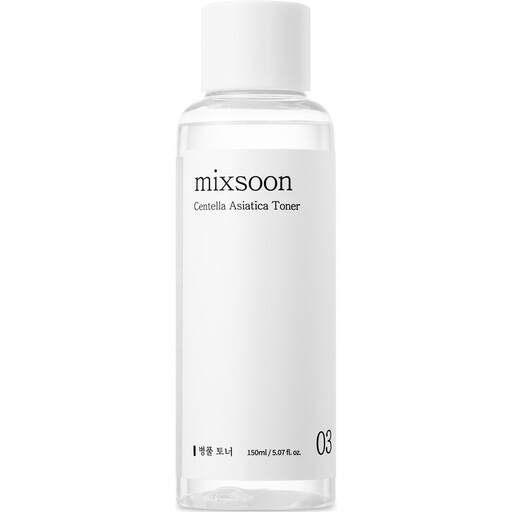
Why This Fits Their Persona: A simple four-ingredient formula is suitable for shoppers who want an uncomplicated introduction to hydrating skincare.
It avoids an overloaded ingredient list and can be applied by patting or gently wiping after cleansing.
Centella asiatica extract; lightweight 150ml format for daily use.
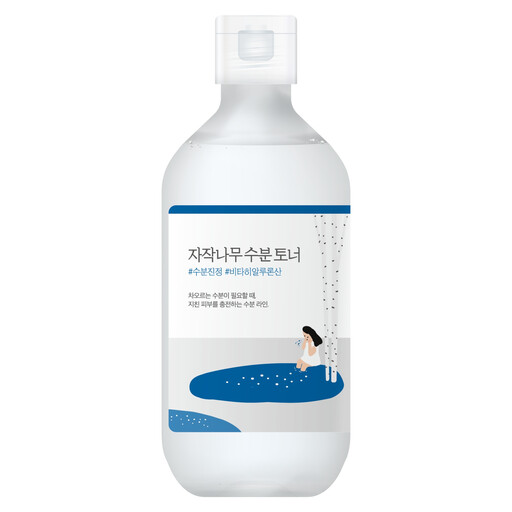
Why This Fits Their Persona: The larger bottle and ampoule-style texture suit shoppers building a layered Korean skincare routine for dry-feeling skin.
The fragrance-free formula and listed skin-conditioning ingredients make the specification easier to assess than vague “glow” claims.
300ml size; contains birch juice, panthenol and hyaluronic acid forms.
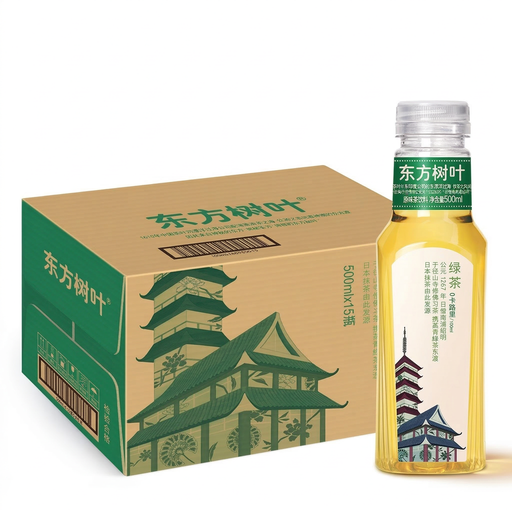
Why This Fits Their Persona: A 15-bottle supply works for offices, households, packed lunches or shoppers who prefer ready-to-drink tea.
The label lists 0g sugar and 0kcal per 100ml, helping shoppers distinguish unsweetened tea from sweetened alternatives.
15 x 500ml bottles; ready to drink and made with green tea, water, vitamin C and sodium bicarbonate.
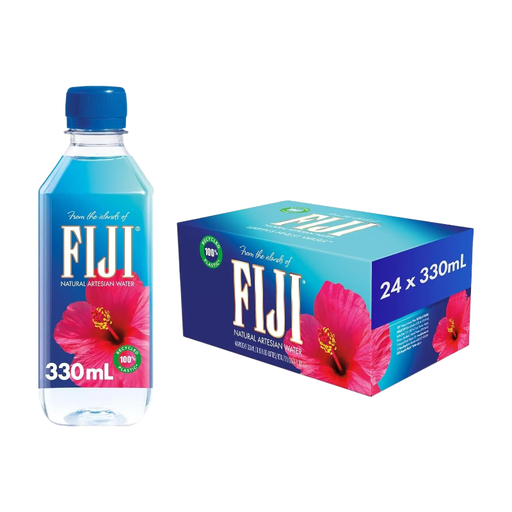
Why This Fits Their Persona: The individual 330ml bottles are practical for events, offices, school bags and shared household supplies.
It is plain still water with no sugar or calories, so there is no sweetener or flavouring to compare.
24 x 330ml bottles; natural artesian water with listed mineral values.
For dry-feeling skin, keep the routine simple:
The Round Lab Overnight Hydration Routine combines a cleanser, soybean nourishing toner and sleeping pack in one set. A skincare gift set can be convenient, but check every formula rather than assuming all three products will suit your skin.
Some may be, but suitability depends on the complete ingredient list and personal tolerance. Look for fragrance-free options if that is a preference, patch-test first and avoid applying new products to damaged skin.
They serve different purposes. Natural bottled water contains no sugar or calories, while coconut water contains naturally occurring sugars and has its own flavour. Compare the nutrition label and choose according to taste, meal pairing and daily requirements.
Follow the packaging. Several supplied drinks advise refrigeration after opening and consumption within a stated period, commonly 24 hours or three days. Unopened multipacks should be stored in a cool, dry place away from direct sunlight and checked against the printed best-before information.