
24/7 Customer Support

Free returns

Same-day & Next-day Delivery

Quality Guaranteed

Unlock Your Welcome Offers: FREE Delivery | Up to 80% OFF | Free 30-day JoyPlus trial
Download the APP
Finding suitable hydration products in the UK can be harder than it appears. Supermarket shelves and online listings combine water-based drinks, electrolyte powders, supplements and moisturisers under broad wellness language, even though they serve different purposes.
A convenient product is not automatically the right product for your routine. Before buying, check what you are trying to replenish, how often you will use it and whether the ingredients suit your diet, allergies or skin type.
A fruit drink may be refreshing but can contain considerable sugar. For example, the listed nutrition for Minute Maid Orange Juice Drink is 43 kcal and 10g carbohydrate per 100ml, while ChuYin Peach Fruit Drink lists 48 kcal and 11g sugar per 100ml. These can fit occasional enjoyment, but they are different from low-calorie hydration drinks.
Check the nutrition panel rather than relying on phrases such as “refreshing”, “natural” or “cooling”. For regular use, compare:
Electrolyte drinks, hydration powders and hydration stick packs vary considerably. Some contain only small amounts of minerals, while others include vitamins, amino acids or additional botanical ingredients.
A product with more ingredients is not automatically more suitable. Compare the amount per serving, serving size and recommended daily intake. If you take medication, have a medical condition, or are pregnant or breastfeeding, read the label and seek appropriate medical advice before using hydration supplements.
Drinking fluids does not replace a body lotion for dry skin or a moisturiser for sensitive skin. Skincare products work externally and should be selected according to texture, fragrance and ingredients.
A fragranced lotion may feel pleasant but may not suit reactive skin. Conversely, a fragrance-free formula can be a more practical choice for people who prefer a simpler daily routine. Always check the current packaging, ingredient list and warnings before use.
For sports hydration drinks or powders, look at the quantities of sodium, potassium, magnesium and calcium per serving. These figures are more useful than a general “electrolyte” label.
For example, EHPlabs Hydreau provides listed amounts of 200mg sodium, 80mg magnesium, 64mg potassium and 35mg calcium per scoop, with approximately 15 kcal per serving. Applied Nutrition Colleen Rooney Hydration Stick Packs list 350mg potassium, 57mg magnesium and 120mg calcium per stick, alongside vitamins and coconut water powder.
These formulas are intended for different preferences, so check how much water each serving requires. A sachet designed for 300–400ml may taste different from a powder mixed into 500ml.
Coconut water is naturally used in several hydration products, but coconut may still be relevant to people with known allergies. The Vita Coco Original Coconut Water listing specifies coconut water, fruit sugar and vitamin C, and identifies the product as suitable for vegetarian and vegan diets.
The Symprove water-based supplement is listed as vegan, dairy-free and gluten-free, but it contains barley extract. This illustrates why “gluten-free” or “vegan” assumptions should never replace reading the product label.
For hydration supplements, also check:
For Korean hydrating skincare, look for a texture you can use consistently. Beauty of Joseon Glow Replenishing Rice Milk has a dual-phase milky formula containing rice ingredients, glycerin, panthenol, kaolin and ceramide NP. It should be shaken before application and is designed for use after cleansing.
For very dry or sensitive skin, Aveeno Skin Relief Body Lotion is listed as fragrance-free and contains colloidal oatmeal. Palmer’s Coconut Oil Formula Coconut Hydrate Daily Body Lotion includes coconut oil, shea butter and fragrance, so it may appeal to shoppers who prefer a scented, richer lotion rather than a fragrance-free option.
Patch testing a new skincare product on a small area is a sensible precaution. Stop using it if irritation occurs.
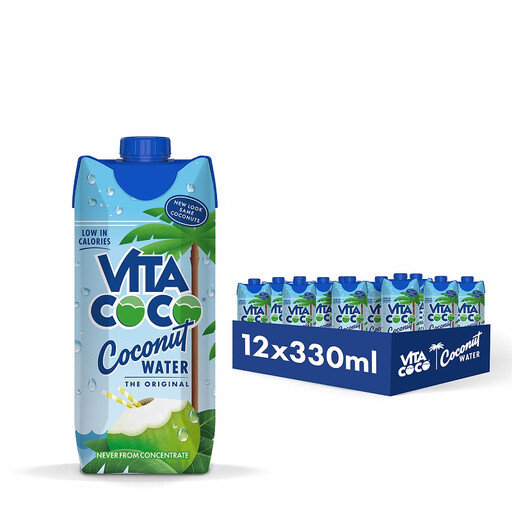
Why This Fits Their Persona: A ready-to-drink option for commuters, students and households wanting portioned cartons without mixing powders.
The listing provides clear serving nutrition: 63 kcal and 12g sugar per 330ml carton, helping shoppers assess it against sweeter juice drinks.
Contains 99% coconut water, provides 611mg potassium per carton and is listed as vegan and fat-free.
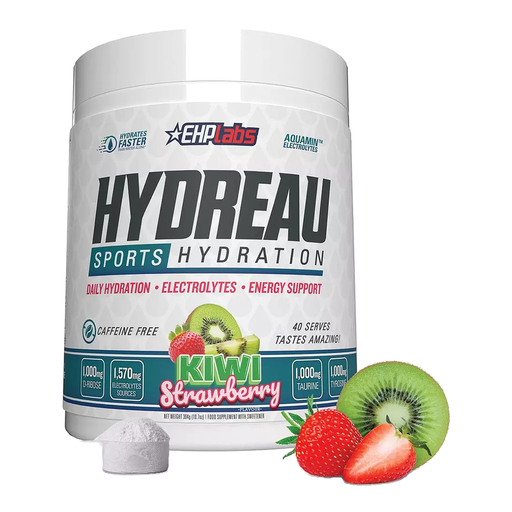
Why This Fits Their Persona: Suits gym users and active shoppers who prefer a measured powder with a large 40-serving format.
The serving instructions specify one scoop in 300–500ml of water, while the nutrition panel lists calories, sugars and electrolyte amounts.
Kiwi strawberry flavour, approximately 15 kcal per serving and listed quantities for magnesium, sodium, calcium and potassium.
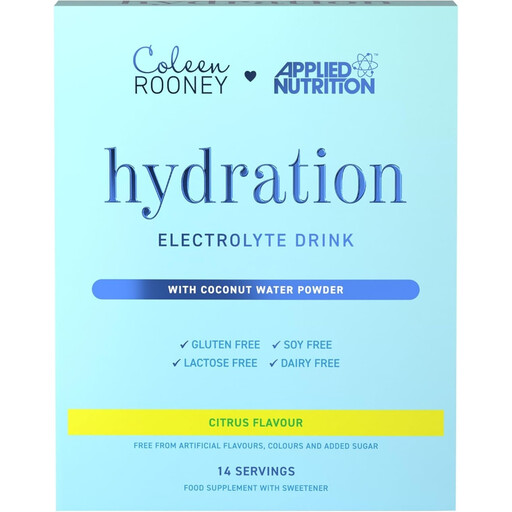
Why This Fits Their Persona: Practical for travel, hot weather, training bags and anyone who values individually measured hydration stick packs.
Each sachet has a stated 7g serving and mixes with 300–400ml of water, making dosage and preparation straightforward.
Listed as vegan, Halal certified, gluten-free and dairy-free, with coconut water powder, magnesium, potassium and calcium.
If your priority is dry or sensitive skin, compare the following options:
For Korean hydrating skincare, Beauty of Joseon Glow Replenishing Rice Milk offers a lightweight facial product with rice extracts, glycerin, panthenol and ceramide NP. Apply products according to their directions and avoid treating cosmetic hydration as a medical claim.
We have compiled a complete, real-time list of products that fully satisfy these strict selection criteria and UK safety regulations.
For moderate activity, water may be sufficient. During longer or sweat-heavy sessions, compare sports hydration drinks and electrolyte powders by sodium, potassium, magnesium, sugar and serving size. Follow the label rather than automatically taking multiple servings.
They can reduce packaging and storage volume, particularly in multi-serving tubs, but the cost depends on the number of servings and the amount used each time. Calculate the price per prepared serving before buying.
Check the best-before date, batch details and packaging instructions. Opened coconut water generally requires refrigeration and quick consumption. Some probiotic supplements also need refrigeration after opening. Store powders in a cool, dry place, and keep lotions sealed away from excessive heat.