
24/7 Customer Support

Free returns

Same-day & Next-day Delivery

Quality Guaranteed

Unlock Your Welcome Offers: FREE Delivery | Up to 80% OFF | Free 30-day JoyPlus trial
Download the APP
Staying comfortable and refreshed can involve more than simply buying a large bottle of water. UK shoppers now have access to hydration drinks, electrolyte drinks, hydration supplements, moisturising lotion and haircare designed for dry or damaged hair. The challenge is separating genuinely useful features from attractive packaging and vague claims.
Whether you are preparing back-to-school essentials, planning sports hydration or improving a dry-skin routine, these are the main buying pitfalls to avoid.
Ready-to-drink beverages can be convenient, but fruit juice drinks, Asian drinks and sweetened teas may contain considerable sugar. For example, the listed Minute Maid Orange Juice Drink contains 43 kcal and 10g of carbohydrate per 100ml, while Vita Lemon Tea contains 10.8g of sugar per 100ml. These may suit shoppers looking for flavour, but they should not automatically be treated as low-sugar hydration options.
Unsweetened products offer a different profile. The Nongfu Spring Oriental Tree Leaf Green Tea contains 0 sugar, 0 calories and 0 fat per 100ml, making the nutrition panel particularly straightforward to compare.
Electrolyte drinks can be useful for people who want a flavoured drink during or after prolonged exercise, but “electrolyte” alone does not explain how much sodium, potassium or magnesium is included. Compare the actual quantities per serving and check whether the product is a drink or a powder that must be mixed.
A hydration supplement may also contain ingredients such as taurine, tyrosine or vitamin C. These additions do not make it suitable for everyone. Read the directions, allergen information and warnings before use, particularly if you are pregnant, breastfeeding, taking medication or managing a medical condition.
Hydrating skincare and hair hydration products work on the surface of the skin or hair. A moisturising lotion can help reduce the feeling of dryness, while a hair mask can improve softness and manageability. Neither should be judged by beverage-style claims.
The right product depends on texture, ingredients, fragrance preferences and how often you will use it. A rich body lotion may be comfortable on very dry elbows but feel too heavy for someone who prefers a quick-absorbing formula.
Check both the per 100ml and per pack information. A 420ml juice drink, a 600ml electrolyte bottle and a 15-bottle multipack serve very different purposes. For school bags or commuting, smaller portions may be easier to manage; for home stock-up, total volume and storage space matter more.
For fruit juice drinks, look at the percentage of juice, added sugar and serving size. For green tea or other unsweetened drinks, check whether caffeine is listed or whether the product is intended for children.
Powdered hydration supplements require accurate preparation. Check the recommended water volume, scoop size and daily serving. EHPlabs Hydreau, for example, is directed to be mixed with 300–500ml of water per scoop and lists sodium, potassium, calcium and magnesium quantities per serving.
Do not use more powder simply to create a stronger flavour. Follow the product label, store the container tightly closed and keep supplements away from children. Check for allergens such as coconut or tree nuts.
For skincare, scan the ingredient list for moisturising agents such as glycerin, oat-derived ingredients, oils, shea butter or ceramides. Fragrance-free options may be preferable for shoppers who find scented products uncomfortable, while others may prioritise a lighter texture.
For hair hydration, consider whether the formula is intended for daily conditioning, occasional deep treatment or toning. Purple shampoo contains colour pigments that can temporarily stain light surfaces, and it should be used according to the recommended contact time.
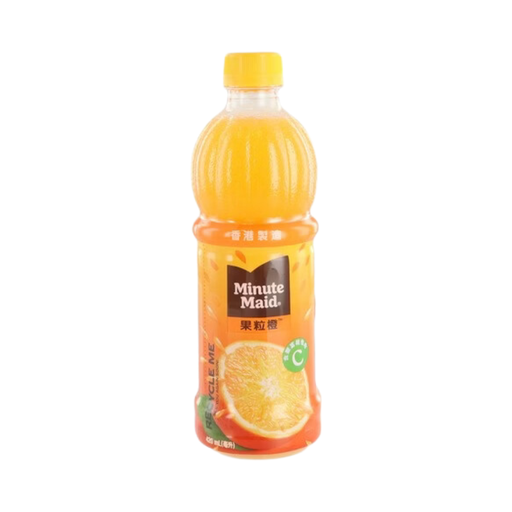
Why This Fits Their Persona: A ready-to-drink option for students, family lunches or quick refreshment when convenience matters. The 420ml format is easy to place in a bag or fridge.
Its nutrition information clearly lists energy, carbohydrate and sugar values, helping shoppers compare it honestly with other fruit drinks.
Contains orange pulp and is ready to drink directly after opening; the listed formula contains 0g fat per 100ml.
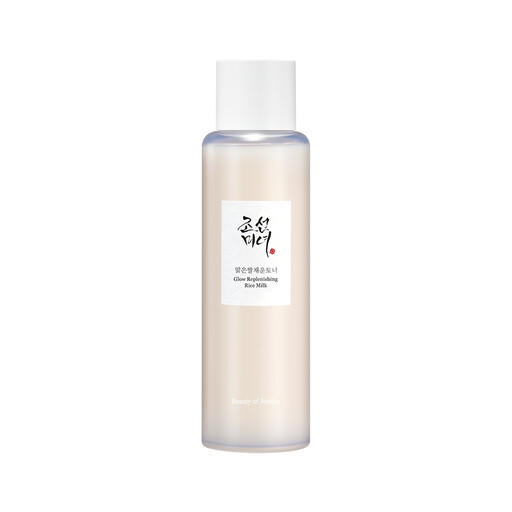
Why This Fits Their Persona: Suitable for shoppers building a considered hydrating skincare routine and looking for a lightweight, dual-phase facial product.
The directions explain that the bottle should be shaken to combine the two layers, rather than leaving shoppers to guess how to use it.
Includes rice bran water, glycerin, panthenol, kaolin and ceramide NP in a non-sticky milky texture.
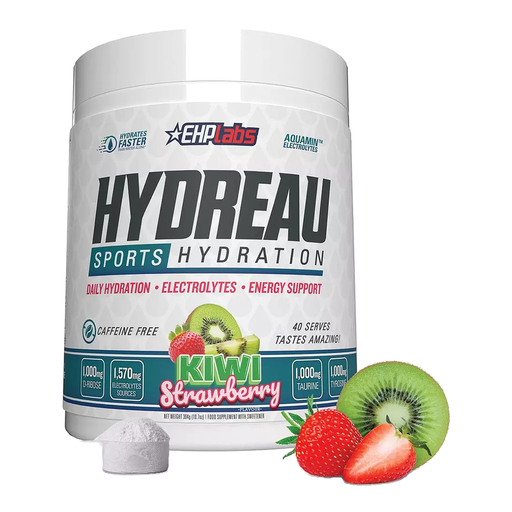
Why This Fits Their Persona: Designed for active UK shoppers who prefer a measured powder for gym sessions, longer training or busy days away from home.
The label specifies the mixing range, serving quantities and warning information, allowing more controlled use than an unspecified sports drink.
Provides 40 servings, 15 kcal per serving and listed electrolytes including sodium, magnesium, calcium and potassium.
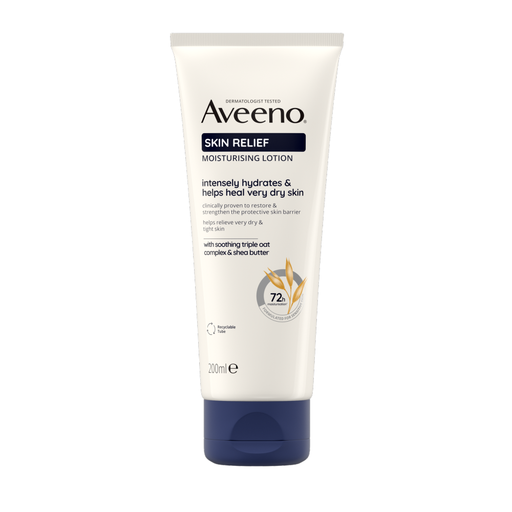
Why This Fits Their Persona: A practical daily body-care choice for households dealing with very dry-feeling skin, especially on hands, elbows and knees.
The product information identifies it as fragrance-free and gives clear external-use and irritation warnings.
Contains prebiotic oat, glycerin, petrolatum and dimethicone; suitable for adults and children aged two and over according to the supplied product information.
For everyday use, compare plain water, unsweetened tea and flavoured drinks by their sugar and calorie content. Electrolyte drinks are more purpose-specific, while powders and probiotic supplements should be used only according to their labels. A moisturising lotion or hydrating skincare product can be added to a personal-care routine when skin feels dry.
Powders may offer more servings per pack and reduce packaging waste, but they require a bottle, water and accurate measuring. Ready-to-drink beverages are more convenient for commuting, school or travel. Compare the cost per serving, not only the shelf price.
Keep sealed drinks, powders and supplements in a cool, dry place away from direct sunlight unless the label says otherwise. Refrigerate products after opening where instructed. Water-based probiotic supplements may require refrigeration and a specific consumption period after opening. Always check the packaging for the latest ingredients, allergen details, storage guidance and best-before information.