
24/7 Customer Support

Free returns

Same-day & Next-day Delivery

Quality Guaranteed

Unlock Your Welcome Offers: FREE Delivery | Up to 80% OFF | Free 30-day JoyPlus trial
Download the APP
By the Joybuy Product Recommendation Officer
Whether you train at the gym, follow a low-carbohydrate diet, travel frequently or simply want a more convenient way to drink water, hydration and wellness supplements can appear remarkably similar. However, electrolyte hydration powder, collagen powder and focus formulas serve different purposes. Choosing by flavour or promotional wording alone can leave you paying for ingredients you do not need.
A powder may contain electrolytes, vitamins, amino acids, creatine or collagen, but these ingredients do not make it interchangeable with every other supplement. Electrolytes are relevant when replacing minerals lost through sweating, while collagen powder is generally chosen for protein and beauty-related routines. A vitamin hydration drink may suit everyday use, but it may not provide the electrolyte profile required after prolonged exercise.
Start by identifying your main use: everyday hydration, training, post-workout recovery, focus and energy or collagen-based wellness support.
These terms are not identical. Check the nutrition panel for carbohydrate and sugar per serving, rather than relying on the front of the pack. A sugar-free hydration powder may still contain sweeteners, flavourings or soluble fibre. These ingredients are not automatically unsuitable, but they may matter if you follow keto, low-carbohydrate, vegan or other specific dietary plans.
A large tub can look economical until you compare the number of servings and the recommended scoop size. Sachets may cost more per serving but offer portion control and portability. Caffeine also requires close attention: one product may contain 80mg or 90mg per serving, while another may contain considerably more. Check the label, avoid combining several caffeine products casually and follow the stated maximum daily intake.
Look for the actual amounts of sodium, potassium, magnesium, calcium and chloride per serving. Science in Sport Hydro+ Lemon, for example, lists 350mg sodium, 300mg potassium, 56.25mg magnesium, 120mg calcium and 750mg chloride per 4.1g serving. This gives you measurable information for comparison rather than relying on phrases such as “advanced hydration”.
A sports hydration powder can be more relevant after heavy sweating than a lightly flavoured daily drink, but individual requirements vary. People with kidney, heart or blood-pressure conditions or those following a medically advised diet should seek appropriate medical advice before using electrolyte supplements.
For training-focused use, a creatine hydration powder combines creatine monohydrate with electrolytes. Applied Nutrition Creatine + Electrolytes provides 5g creatine monohydrate per listed 12g serving, alongside potassium, magnesium, calcium and sodium.
For recovery routines, a post-workout recovery supplement may include amino acids, vitamins or other ingredients. fourfive Everyday Recovery Hydration Powder contains BCAAs, L-glutamine, electrolytes and a vitamin B complex. These ingredients should be viewed as nutritional features, not guaranteed outcomes.
For beauty and low-carbohydrate routines, compare the protein source and macros. Applied Nutrition Keto Beauty Support Formula Powder lists 10g hydrolysed bovine collagen per 13g serving, with 0g carbohydrate and 0g sugar. A marine collagen supplement, by contrast, uses fish-derived collagen and is not suitable for people avoiding fish.
Check for fish, dairy, soy, gluten, coconut and other allergens, as well as halal, vegan or vegetarian suitability. “Unflavoured” powders can be useful in coffee, smoothies or yoghurt, while flavoured hydration sachets are easier to carry to work, the gym or on UK rail journeys.
Also check mixing instructions. Products may require 250–500ml or 500–700ml of water, and a salty electrolyte blend may taste milder when diluted further. Do not consume dry powder unless the product label specifically permits it.
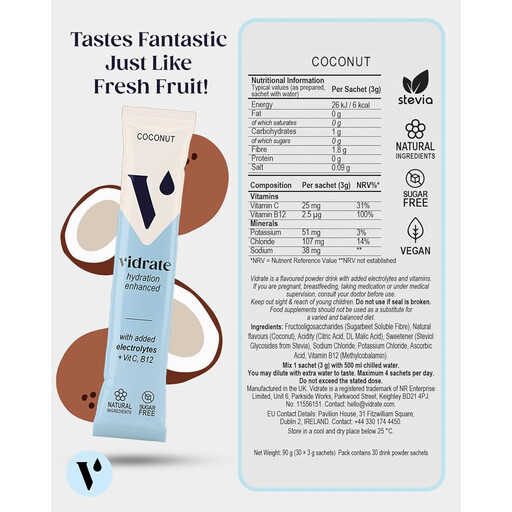
Why This Fits Their Persona: Individual 3g hydration sachets offer a straightforward starting point for adults who want portable daily hydration without committing to a large tub.
The pack states 0g sugar and 2 kcal per sachet, helping shoppers distinguish its nutrition profile from sugary sports drinks.
Contains sodium, potassium, magnesium and vitamin C; each sachet mixes with 500–700ml of water.
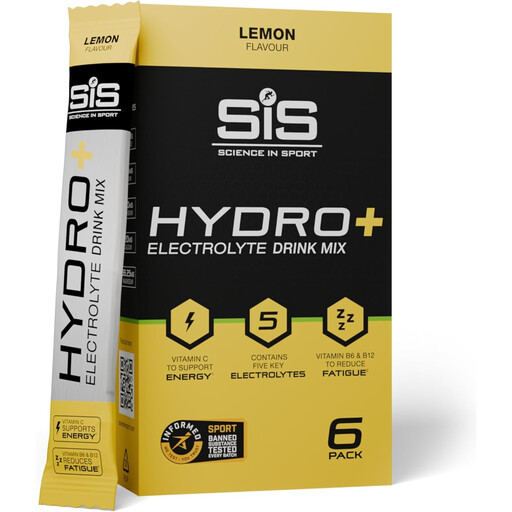
Why This Fits Their Persona: A measured single-serve format suits active shoppers who want clearly listed electrolytes and vitamins for exercise or outdoor routines.
Its stated one-sachet daily limit makes dosage easier to follow than a loose powder requiring repeated scooping.
Lists sodium, potassium, calcium, magnesium and vitamins C, B6 and B12 per 500ml serving.
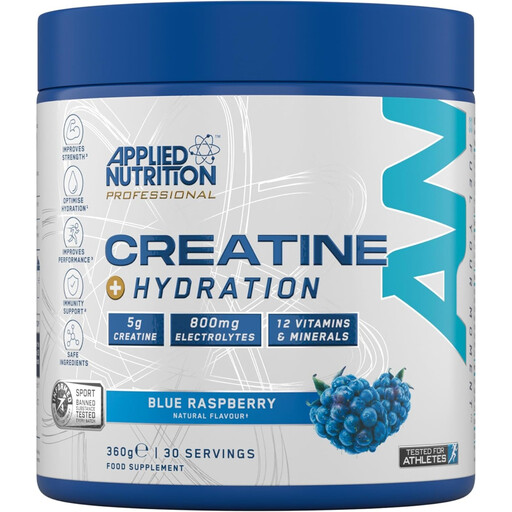
Why This Fits Their Persona: Gym users seeking a creatine hydration powder can combine a measured daily serving with electrolytes in one flavoured drink.
The label specifies 5g creatine monohydrate per 12g scoop and a maximum of one serving in 24 hours.
Provides listed amounts of magnesium, potassium, calcium and sodium in a 360g tub.
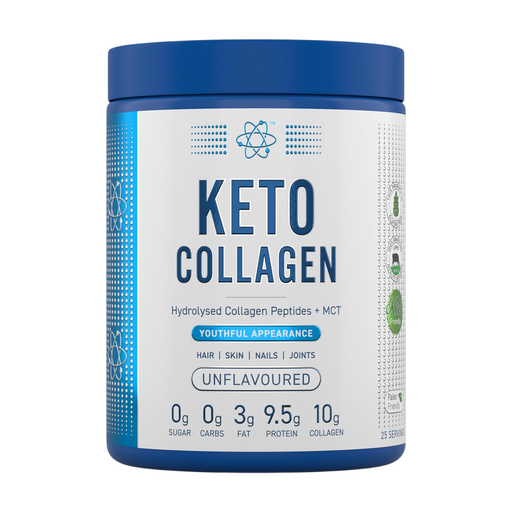
Why This Fits Their Persona: The unflavoured powder is designed for adults following keto, paleo or low-carbohydrate routines who want to add collagen to coffee or smoothies.
Its listed nutrition provides 0g carbohydrate and 0g sugar per 13g serving, rather than leaving macro suitability unclear.
Combines 10g hydrolysed bovine collagen peptides with MCT powder and has a neutral flavour.
Compare the serving amounts of sodium, potassium and magnesium, then select a product whose ingredients and dosage suit the intensity of your session. A sports hydration powder may be useful after heavy sweating, while a lower-electrolyte daily drink may be adequate for ordinary water intake. Always follow the product label.
Some are, but check both carbohydrate and sugar per serving. Also review flavourings, sweeteners and any added ingredients. Collagen products may be keto-compatible by their listed macros but are not a substitute for an electrolyte supplement.
Calculate the price per serving, not simply the pack price. Then consider serving volume, electrolyte quantities, caffeine content, portability and expiry date. A larger tub may reduce cost per serving, whereas sachets can reduce waste and simplify use at work, during travel or at the gym.
Food supplements should complement a varied, balanced diet and healthy lifestyle. Read the current packaging before use, particularly if you are pregnant, breastfeeding, under 18, managing a medical condition, taking medication or avoiding specific allergens.