
24/7 Customer Support

Free returns

Same-day & Next-day Delivery

Quality Guaranteed

Unlock Your Welcome Offers: FREE Delivery | Up to 80% OFF | Free 30-day JoyPlus trial
Download the APP
Hydration supplements can make drinking more convenient, particularly during workouts, travel, hot weather or long working days. However, not every electrolyte supplement is suitable for everyday use. Some products are little more than flavoured water, while others contain significant sodium, sweeteners or additional ingredients that may not suit your diet.
The main buying challenge is matching the product to the situation. A long-distance run, a gym session and an ordinary office day do not necessarily require the same hydration product.
The term “hydration” appears on powders, drinks, shots and tablets with very different formulations. Some contain sodium, potassium and magnesium; others are primarily water with flavouring. Check the nutrition panel rather than relying on the front of the pack.
For sports hydration, sodium content is particularly useful to compare because sodium is lost in sweat. Potassium and magnesium may also be included, but the quantities can vary substantially between products.
Sugar-free hydration drinks may still contain sweeteners such as sucralose, steviol glycosides or sugar alcohols. These are not automatically unsuitable, but they can affect taste and tolerance. Sorbitol, for example, may have a laxative effect when consumed excessively.
If you follow a vegan, keto, low-carbohydrate or calorie-conscious diet, review the full ingredient list and serving size. “Low-calorie” does not always mean zero calories, and a serving may be smaller than the amount you expect to drink.
Some electrolyte sachets provide considerably more sodium than ordinary flavoured water. For example, the HUNTER & GATHER Restore range lists 750mg sodium per sachet, alongside 150mg potassium and 80mg magnesium. That may be relevant after substantial sweating, but it is not a reason to take additional servings casually.
Always follow the stated dosage. Anyone managing high blood pressure, kidney disease, cardiovascular conditions, a medically advised low-sodium diet or prescription medication should seek suitable medical advice before using higher-sodium supplements.
Look for a clear breakdown of sodium, potassium and magnesium per serving. The serving should also specify how much water to use. A sachet mixed into 500ml will taste and function differently from one diluted into 1 litre.
For everyday hydration, plain water or lightly flavoured water may be sufficient. Electrolyte supplements are more relevant when fluid and mineral losses are higher, such as during endurance exercise, heavy sweating or prolonged outdoor activity.
Compare:
Berocca Hydrate, for instance, uses glucose and electrolytes in an effervescent tablet format, while Applied Nutrition’s Effervescent Electrolyte Tablets are listed as sugar-free with 7 calories per tablet. Both are practical options, but they suit shoppers with different formulation preferences.
Electrolyte tablets are easy to carry and generally simple to portion. Sachets offer pre-measured hydration powder and are convenient for gym bags, commuting or travel. Tubs can reduce packaging per serving but require a scoop and careful storage.
To calculate the ongoing cost, divide the purchase price by the number of servings, then consider how often you realistically plan to use the product. A 30-sachet box may be practical for regular users, while a 7-sachet pack can be a sensible way to assess flavour and tolerance before buying a larger quantity.
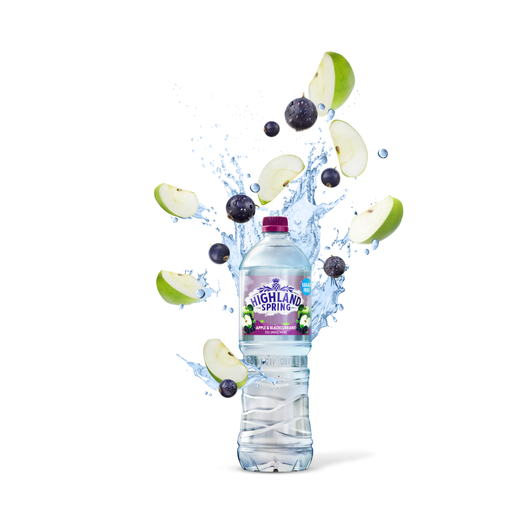
Why This Fits Their Persona: A straightforward ready-to-drink option for shoppers who want flavoured water without buying a dedicated electrolyte supplement.
The label lists 0g sugar and 1 kcal per 100ml, helping distinguish it from sugary sports drinks. It should not be mistaken for a high-electrolyte formula.
Ready to drink, 1.25L bottle, apple and blackcurrant flavour and no added sugar.
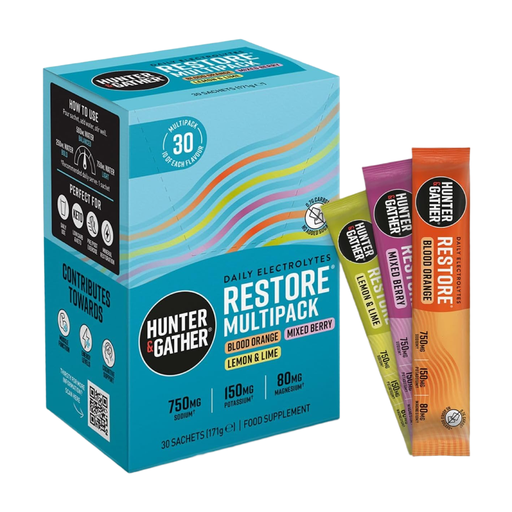
Why This Fits Their Persona: Suitable for shoppers who want pre-portioned electrolyte sachets, several flavours and a sugar-free format for regular active routines.
The product provides a stated 750mg sodium, 150mg potassium and 80mg magnesium per sachet. Its higher sodium content makes checking suitability especially important.
30 individual sachets, three listed flavours, approximately 5 kcal per serving and monk fruit sweetening.
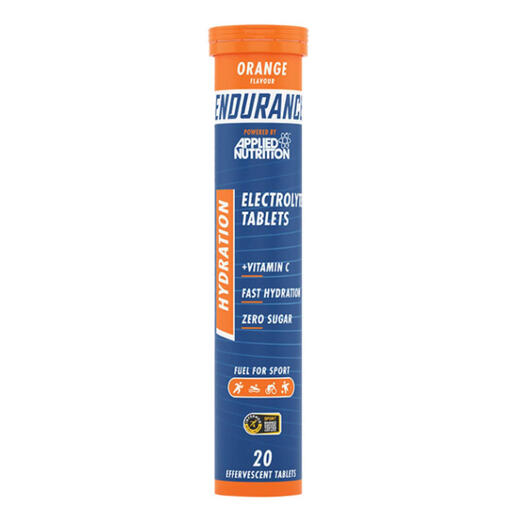
Why This Fits Their Persona: A practical choice for gym-goers, runners and travellers who prefer compact electrolyte tablets that dissolve in a bottle.
The label states the mineral amounts per tablet and gives a maximum of four tablets daily. This makes portion planning clearer than relying on vague “rapid hydration” wording.
Provides sodium, potassium, calcium, magnesium and vitamin C; listed as vegan and vegetarian friendly.
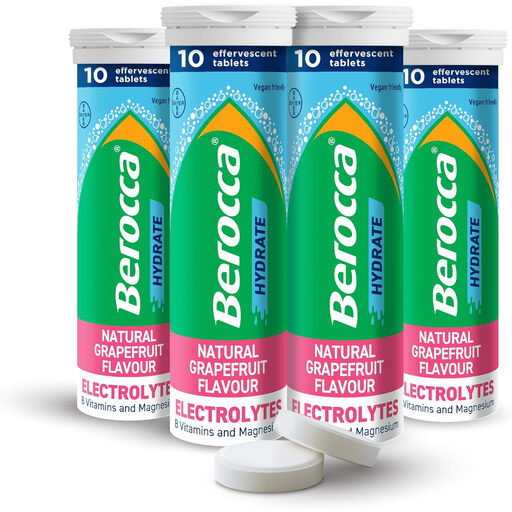
Why This Fits Their Persona: Convenient for adults who want a grapefruit-flavoured drink for work, travel or exercise without caffeine.
It clearly states that two tablets are used per drink and identifies glucose, electrolytes and B vitamins in the ingredients and product information.
40 effervescent tablets, grapefruit flavour, caffeine-free and listed as suitable for vegans.
We have compiled a complete, real-time list of products that fully satisfy these strict selection criteria and UK safety regulations.
They can be convenient, but they are not essential for every person or every day. Plain water, meals and ordinary drinks may provide sufficient fluid and minerals for routine activities. Use the product according to its label and consider sodium, sweeteners and total intake.
Compare the price per prepared serving rather than the pack price. Sachets are pre-measured, while tablets may offer more flexibility when you already carry a reusable bottle. Also check the recommended water volume, as using multiple tablets or sachets can change the cost considerably.
Unopened products should be used before the best-before date shown on the packaging. Store powders and tablets in a cool, dry place and close containers securely after opening. Once mixed, consume the drink according to the label rather than storing it indefinitely. Always check the current packaging for ingredients, warnings and directions before use.