
24/7 Customer Support

Free returns

Same-day & Next-day Delivery

Quality Guaranteed

Unlock Your Welcome Offers: FREE Delivery | Up to 80% OFF | Free 30-day JoyPlus trial
Download the APP
Lifting a vehicle, whether for a routine tyre change or more involved maintenance, requires the right tool for the job. A reliable hydraulic jack is a cornerstone of any garage, but with so many options available, selecting the correct one can feel overwhelming. From a simple 3 ton car jack for the family SUV to a 10 ton industrial jack for commercial machinery, the specifications vary significantly.
This guide is designed to help you understand the key features to look for, ensuring you choose a vehicle lifting jack that is not only effective but also prioritises safety. We will explore the differences between common types and provide recommendations to suit a range of needs, from the home mechanic to the professional workshop.
Making an informed decision comes down to a few key considerations. Before you purchase, think about the following points to ensure the jack matches your requirements.
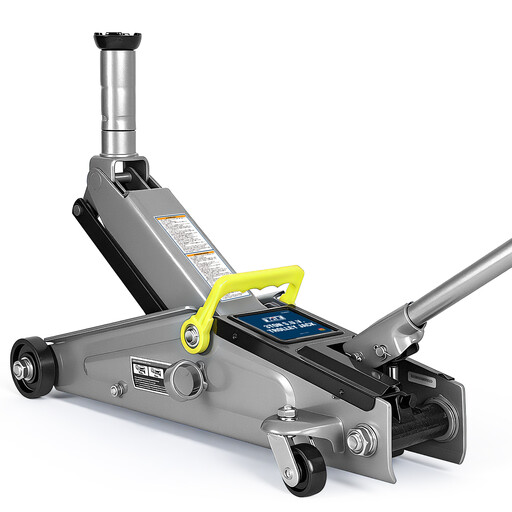
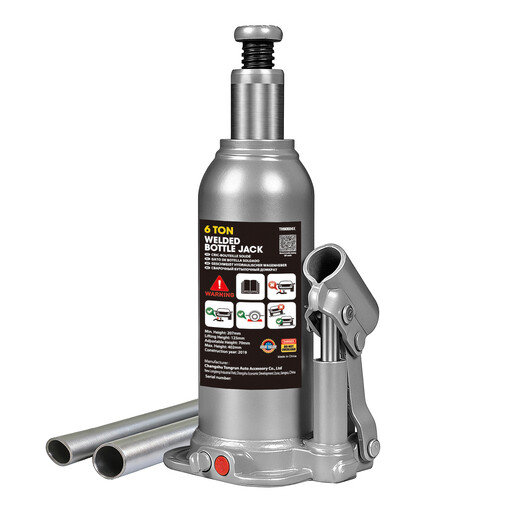
The most critical specification is the jack's lifting capacity, usually measured in tons. A common mistake is choosing a jack that can only just lift the vehicle's weight. As a rule of thumb, your jack should have a rated capacity of at least 75% of your vehicle's total gross weight. For example, a 3 ton car jack is generally suitable for most cars, SUVs and MPVs. For heavier vehicles like pickup trucks or vans, a 6 ton truck jack provides a safer margin. Always check your vehicle's manual for its gross vehicle weight (GVW).
Hydraulic jacks primarily come in two designs, each with distinct advantages:
When lifting several tons of metal, safety is non-negotiable. Look for jacks that are CE certified, which indicates they meet European safety, health and environmental protection standards. Key safety features to look for include an overload safety valve, which prevents the jack from being used beyond its rated capacity, and a sturdy, wide base for stability. A heavy duty jack built from high-quality steel with robust welding will offer greater durability and peace of mind.
Based on these criteria, here are our recommendations for hydraulic jacks that offer a strong combination of performance, build quality and safety features for various users.
TCE 3 Ton Horizontal Hydraulic Car Jack
TCE 6 Ton Heavy Duty Vertical Hydraulic Bottle Jack
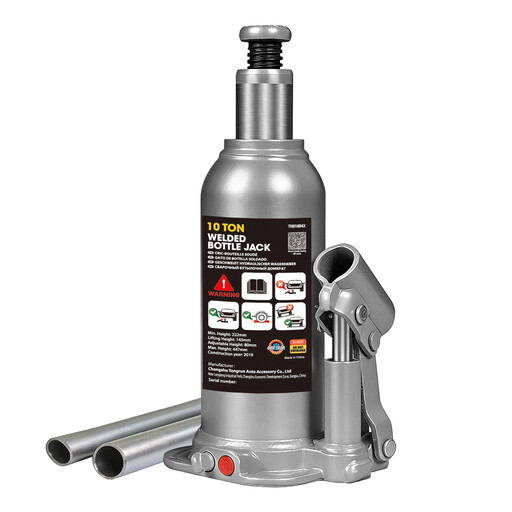
TCE 10 Ton Industrial Grade Vertical Hydraulic Bottle Jack
While these jacks cover a wide range of common applications, every job has unique demands. If you need different specifications or are looking for complementary equipment like axle stands and wheel chocks, it is important to explore a full range of certified tools.
Discover more in our collection of safety accessories to find the perfect equipment for your workshop.
1. What is the difference between a hydraulic jack and a mechanical jack? A hydraulic jack uses fluid pressure to lift loads, which allows for greater lifting capacity with less physical effort compared to a mechanical jack (like a scissor jack). Hydraulic models are generally faster, stronger and more stable, making them the preferred choice for anything beyond emergency roadside use.
2. How do I safely use a hydraulic jack? Always use a jack on a flat, solid and level surface. Never work under a vehicle that is supported only by a jack; always use appropriately rated axle stands to support the load before getting underneath. Chock the wheels that remain on the ground to prevent the vehicle from rolling. Finally, never exceed the jack's maximum rated lifting capacity.
3. How often should I inspect my hydraulic jack? It is good practice to inspect your jack before each use. Check for any signs of hydraulic fluid leaks, cracks in the frame or damage to the handle or saddle. Periodically check the fluid level and top it up according to the manufacturer's instructions to ensure smooth and reliable operation.
Joybuy Product Recommendation Officer