
24/7 Customer Support

Free returns

Same-day & Next-day Delivery

Quality Guaranteed

Unlock Your Welcome Offers: FREE Delivery | Up to 80% OFF | Free 30-day JoyPlus trial
Download the APP
Hydrogel eye patches are a convenient way to add targeted moisture and a cooling sensation to a skincare routine. However, attractive packaging and phrases such as “instant lift”, “deep absorption” or “anti-ageing” can make it difficult to compare products fairly.
Before buying under-eye patches, look beyond the colour of the gel and the headline ingredient. The most useful questions are: Will the patch stay in place? Does the formula match your concern? How many applications are included?
Eye gel patches can make the skin feel hydrated and look temporarily smoother or fresher after use. This does not mean they permanently remove dark circles, wrinkles or puffiness. Under-eye darkness may be influenced by pigmentation, shadows, visible blood vessels or lack of sleep, while puffiness can have several causes.
Treat brightening eye patches and eye patches for dark circles as short-contact cosmetic care rather than a replacement for daily skincare, sleep or sun protection.
Gold eye patches, collagen eye masks and vitamin C eye patches often attract attention, but the full ingredient list provides more useful information. Look for ingredients suited to your needs:
A prominent ingredient may appear in a small amount, so compare the complete INCI list rather than relying on the front label.
A low unit price is not useful if the patches dry out before they are finished. Single-use sachets are practical for travel and help limit repeated exposure to air. Jar formats can offer more applications, but they require careful handling.
Use the supplied spoon where provided, keep the container tightly closed and follow the stated storage instructions. Cosmetic products should have appropriate product information, batch details and ingredients on their packaging for UK shoppers to check.
Start with the result you want to see immediately after application:
If you have sensitive skin, check for fragrance, essential oils and plant extracts that may not suit you. Always follow the product warning and consider a small patch test before applying under both eyes.
A hydrogel patch should make close contact with clean, dry skin without reaching the eye itself. A patch that is too wet may slide down; one that is too dry may feel uncomfortable and provide less even contact.
Check whether the product describes a contoured shape, self-adhering texture or coverage extending towards the upper cheek. These details matter if you intend to wear under-eye masks while preparing breakfast, commuting or applying make-up.
Short-contact products generally require between 10 and 30 minutes, depending on the instructions. Do not assume leaving a patch on for longer will improve the result. Compare the number of pairs or individual patches with the recommended frequency of use.
For example, a 60-piece pack may provide 30 pairs, while a smaller set may be more suitable for occasional travel or pre-event use. Cost per application is often more meaningful than the initial shelf price.
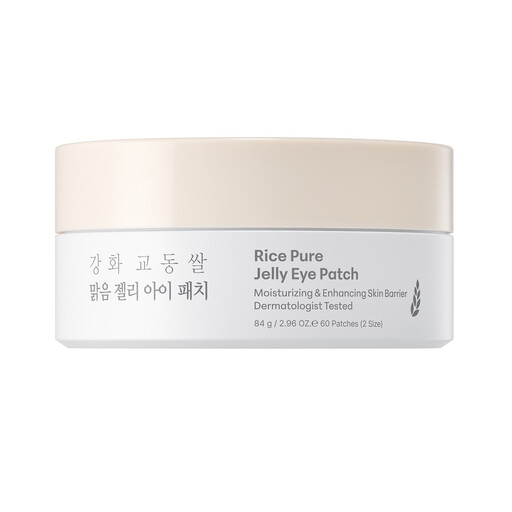
Why This Fits Their Persona: A straightforward option for shoppers starting an occasional under-eye routine, including a weekly treatment or preparation before an event.
Its listed ingredients and directions are clearly provided, with a 20 to 30-minute application time rather than an open-ended wear promise.
Rice bran, rice extract, niacinamide and glycerin feature in the formula. The jelly patches can also be used on areas such as cheeks or smile lines.
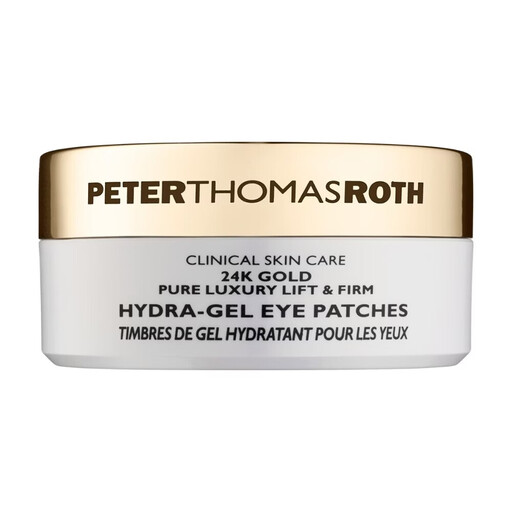
Why This Fits Their Persona: A larger 30-pair format suits shoppers who want a repeated routine and prefer a more occasion-led, premium-feeling product.
The 10 to 15-minute directions make the routine easy to plan, while the resealable jar instructions address moisture loss between applications.
The formula includes sodium hyaluronate, hydrolysed collagen, caffeine, niacinamide and gold colourant. The patches are intended for one use and leave residual serum to pat into the skin.
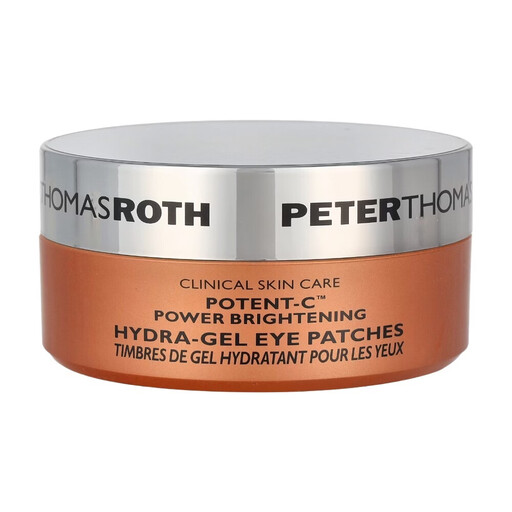
Why This Fits Their Persona: Designed for shoppers specifically comparing vitamin C eye patches for a regular brightening and hydration-focused routine.
The product states a 10 to 15-minute wear time and includes a 60-piece pack, making planned repeated use easier to calculate.
The ingredient list includes two vitamin C derivatives, aloe, cucumber, chamomile and green tea. It is positioned for the appearance of dullness, puffiness, fine lines and dehydration.
A cool, dry storage area away from direct sunlight is generally preferable, but always follow the product packaging. Eye patches are single-use unless the instructions clearly state otherwise.
We have compiled a complete, real-time list of products that fully satisfy these strict selection criteria and UK safety regulations.
Follow the individual instructions. Many products specify between 10 and 15 minutes, while some require up to 30 minutes. Removing them when the recommended time has passed helps avoid discomfort as the gel begins to dry.
Some products may be suitable for frequent use, but this depends on the formula, pack directions and your skin’s tolerance. Start with the recommended frequency and stop if irritation occurs. Daily use is not automatically more effective than a consistent, suitable routine.
Most hydrogel eye patches are designed for one application and should be discarded afterwards. Reusing them can create hygiene concerns and may reduce the amount of serum available. Check the packaging before assuming a patch can be used again.