
24/7 Customer Support

Free returns

Same-day & Next-day Delivery

Quality Guaranteed

Unlock Your Welcome Offers: FREE Delivery | Up to 80% OFF | Free 30-day JoyPlus trial
Download the APP
Hydrogel eye patches can be a convenient addition to a UK skincare routine, especially before work, an event or a long journey. Their cooling texture helps create a fresh, comfortable feel while the serum formula leaves the under-eye area looking more hydrated and rested.
However, attractive packaging and phrases such as “instant lift” or “deep absorption” do not tell you whether a product suits your needs. Before buying hydrogel eye patches, check the ingredients, wearing time, pack size and intended use. This helps avoid paying for a small quantity, choosing an uncomfortable fit or expecting a cosmetic product to address concerns it is not designed to treat.
Cooling under-eye patches may make the skin feel refreshed and appear temporarily smoother or less puffy because of hydration and the cooling sensation. They are not a replacement for sleep, daily skincare or professional advice about persistent skin concerns.
Claims relating to fine lines, wrinkles, dark circles or firmness should be read as appearance-focused cosmetic claims. Results can vary according to skin type, lifestyle and the cause of the concern.
“Gold”, “vitamin C” and “brightening” can sound appealing, but the full ingredient list gives more useful information. Look for ingredients that match your priority:
Some hydrogel eye patches come in jars with dozens of pairs, while others contain only a few individually packed applications. A smaller pack may be practical for travel or occasional use, but the cost per application can be higher. For regular routines, calculate the number of pairs rather than judging value from the container size.
Also check whether patches are intended for one use. Most jelly-style eye patches are disposable and should not be washed or reused. A reusable sun protection eye mask is a different product category, designed for outdoor coverage rather than serum delivery.
Choose the formula according to your main concern rather than selecting the most elaborate ingredient list. Hydrating eye patches containing glycerin or hyaluronic acid are suitable for a moisture-focused routine. For a radiance-led routine, consider brightening eye patches with ingredients such as niacinamide, rice extract or vitamin C derivatives.
Avoid applying patches to broken, irritated or eczema-affected skin. Keep the product away from the eyes themselves, follow the stated wearing time and stop using it if redness, itching, swelling or discomfort develops.
A well-contoured patch should sit beneath the lower lash line without touching the eye. Jelly and hydrogel materials usually adhere through their moisture-rich surface, but excessive serum can make them slide.
Check the recommended application time. Some products are designed for 10–15 minutes, while others suggest 20–30 minutes. Leaving patches on for longer does not necessarily create a stronger cosmetic effect and may allow the material to dry out.
Cooling eye masks and anti-sun face coverings serve a different purpose from eye patches. Look for stated fabric composition, breathability, adjustment points and coverage around the eye corners. A product marked UPF50+ has a stated ultraviolet protection rating for the fabric, but it should not be treated as a complete substitute for other sun-protection measures. Follow the care instructions carefully, as washing and wear can affect fabric performance.
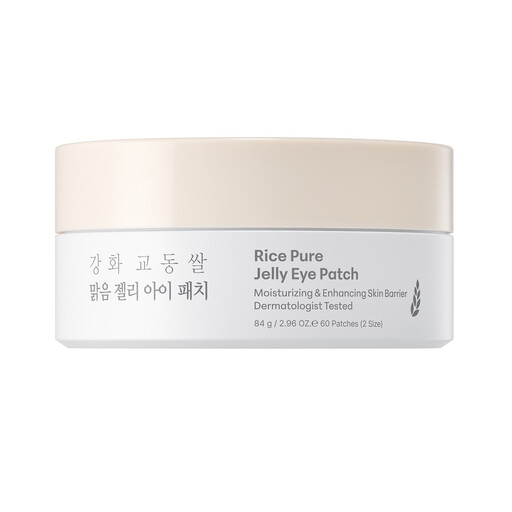
Why This Fits Their Persona: A practical choice for shoppers starting a weekly eye-care routine and wanting one product that can also be used on areas such as the cheeks or neck.
The ingredient list clearly includes glycerin, niacinamide, panthenol, rice bran and rice extract, rather than relying only on a decorative “brightening” label.
Soft jelly hydrogel texture; stated 20–30-minute wearing time; supplied with a hygiene spoon.
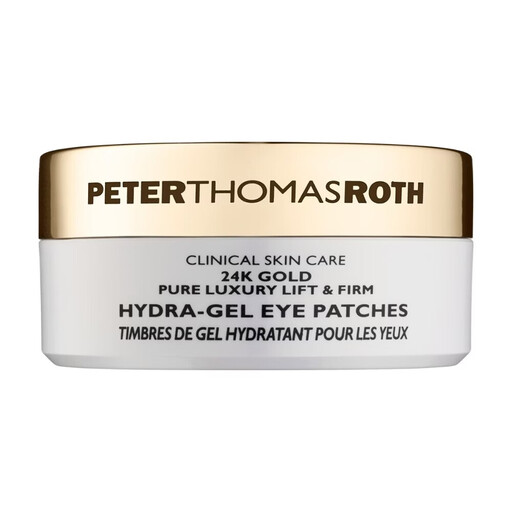
Why This Fits Their Persona: Suits regular users who want a larger jar format and a skincare ritual with a more premium presentation.
The pack states 30 pairs/60 pieces, making the intended quantity easier to compare with smaller multi-use or travel packs.
Includes hyaluronic acid, hydrolysed collagen and caffeine; designed for a 10–15-minute application.
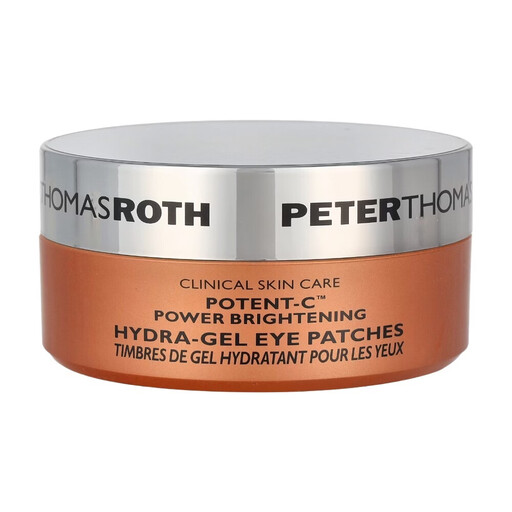
Why This Fits Their Persona: A match for shoppers specifically searching for vitamin C eye patches to add a radiance-oriented step to their routine.
The formula identifies two vitamin C derivatives, tetrahexyldecyl ascorbate and ascorbyl glucoside, alongside cucumber, chamomile, aloe and green tea extracts.
60-piece format; self-adhering hydrogel design; stated 10–15-minute application.
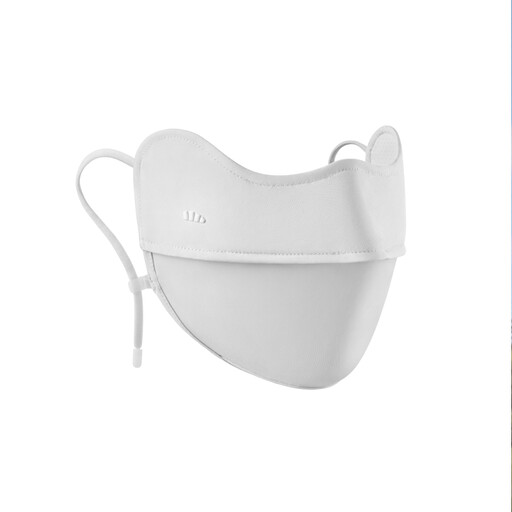
Why This Fits Their Persona: Designed for commuters, walkers and outdoor users who need cooling facial coverage rather than a serum-based eye treatment.
It is clearly positioned as a fabric face covering, so buyers are less likely to confuse UV and cooling coverage with disposable skincare patches.
Stated UPF50+ fabric; adjustable ear loops; dual-breathability design and eye-corner coverage.
We have compiled a complete, real-time list of products that fully satisfy these strict selection criteria and UK safety regulations.
Most products specify between 10 and 30 minutes. Follow the individual packaging instructions rather than leaving patches on overnight. If the hydrogel begins to dry, remove it and discontinue use if the skin feels uncomfortable.
Use depends on the product directions and your skin’s tolerance. Some larger packs are designed for frequent use, while others are intended for occasional care. Patch testing is advisable, particularly when using vitamin C eye patches, fragranced formulas or products containing multiple botanical extracts.
Generally, no. Most hydrogel and jelly eye patches are single-use cosmetic products. Reusable cooling or sun-protection masks are made from fabric and serve a different purpose. Check the care instructions and product description before buying if repeat use is important.