
24/7 Customer Support

Free returns

Same-day & Next-day Delivery

Quality Guaranteed

Unlock Your Welcome Offers: FREE Delivery | Up to 80% OFF | Free 30-day JoyPlus trial
Download the APP
As a dog owner, seeing your companion struggle with itchy skin, an upset tummy or persistent ear infections is distressing. Often, the culprit can be found in their food bowl. This has led many UK owners to seek out hypoallergenic dog food. However, the market is flooded with options, and navigating the claims can be confusing. My role as Joybuy's Product Recommendation Officer is to help you cut through the clutter and make an informed choice for your dog's wellbeing.
Before you buy, let's look at a few common pitfalls that can lead to wasted money and continued discomfort for your pet.
To ensure you're choosing a genuinely beneficial food, focus on these core parameters. They are far more important than flashy packaging or marketing buzzwords.
The foundation of a good diet for a sensitive dog is a limited and identifiable protein source. True food allergies are an immune response to a specific protein. By feeding a food with a single protein (e.g., only lamb or only duck), you can more easily manage or identify what your dog reacts to. For dogs with persistent dog food for itchy skin issues, a "novel" protein—one they haven't eaten before, like venison or fish—can be particularly effective as their body is less likely to have developed a sensitivity to it.
A dog's digestive system is just as important as its skin. A food that is hard to digest can cause bloating, gas and inconsistent stools. Look for formulas that use gentle, slow-release carbohydrates like brown rice, oats or sweet potatoes. These are often better tolerated than wheat or maize for sensitive dogs. Many effective wheat free dog food options use rice as the primary carbohydrate, providing energy without overburdening the gut. Natural prebiotics, such as FOS or MOS, are also a valuable addition to support healthy gut flora.
A puppy's nutritional needs are vastly different from those of a senior dog. A quality puppy food for sensitive stomachs will have a carefully balanced calcium-to-phosphorus ratio for healthy bone development and higher protein levels for growth. Conversely, a senior dog food may have lower calories to prevent weight gain and added supplements like glucosamine for joint support. Always choose a food that is explicitly formulated for your dog's age and size.
Based on these practical criteria, here are a few options from our catalogue, matched to specific owner needs.
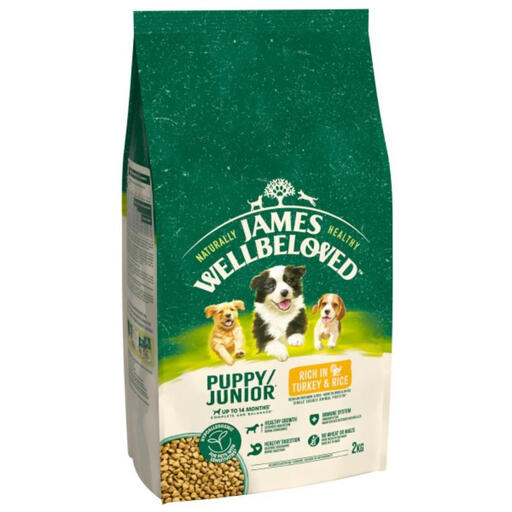
Why This Fits Their Persona: Ideal for UK owners bringing home a new puppy who want to start them on a gentle, reliable diet. Turkey is a less common allergen than chicken and the small kibble size is perfect for small mouths.
It uses a single, clearly named protein (turkey) and gentle rice, avoiding the vague "meat derivatives" and "grain-free is always better" pitfalls.
Specifically formulated for puppy growth with balanced calcium and phosphorus levels, while also being hypoallergenic.
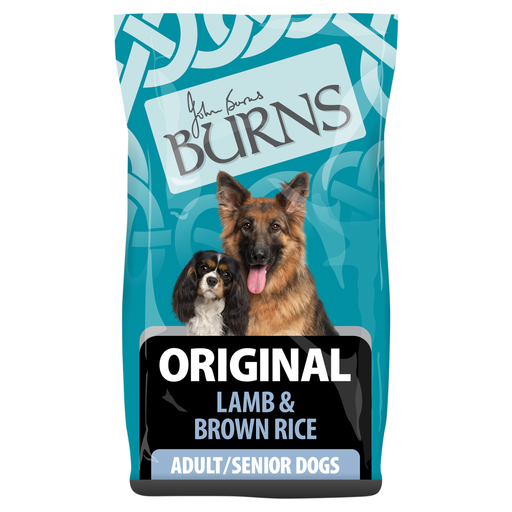
Why This Fits Their Persona: A solid choice for owners of adult dogs with ongoing skin or digestive sensitivities. The limited ingredient list, featuring lamb and brown rice, is designed for easy digestion and to reduce the overall allergen load.
This is a classic limited-ingredient diet. It avoids the "hidden allergen" trap by using a simple, clear formula that is easy for owners to track.
It's a holistic, low-fat formula developed by a veterinary surgeon. It's highly digestible, which often results in less waste to clean up.
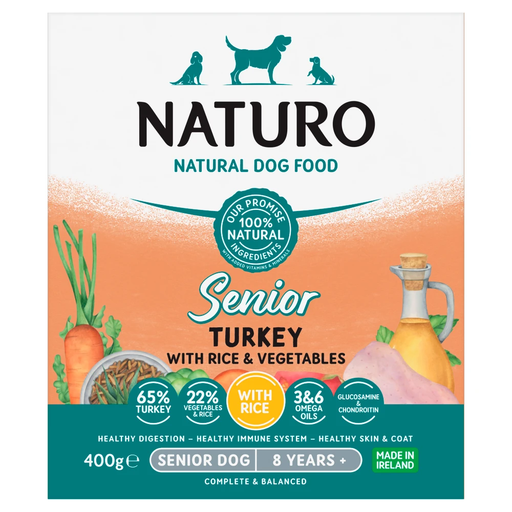
Why This Fits Their Persona: A great wet food option for older dogs who may have dental issues or reduced appetite. The high moisture content aids hydration and the formula includes glucosamine and chondroitin for joint support.
It boasts a high, clearly stated meat content (65% Turkey), providing confidence that you are not feeding your senior dog a tray of mystery fillers.
This is a complete and balanced meal specifically for seniors, with added joint support and prebiotics for digestive health in a palatable wet format.
We have compiled a complete, real-time list of products that fully satisfy these strict selection criteria and UK safety regulations.
Patience is key when starting a new diet. For a true food elimination trial, you should feed the new food exclusively for at least 8 to 12 weeks. You may notice improvements in digestive issues within a few weeks, but it can take two months or more for skin-related problems like itching and redness to fully calm down as the skin needs time to heal.
Both can be excellent choices, and it often comes down to your dog's individual needs and preferences. Wet dog food for sensitive stomachs has a high moisture content, which can help with hydration and digestion. It's also often more palatable for fussy eaters or senior dogs. Dry kibble is convenient, cost-effective and can help with dental cleaning through the abrasive action of chewing. Some owners find success using a mix of both.
A sudden switch can cause digestive upset. It is always recommended to transition your dog to a new food gradually over a period of 7 to 14 days. Start by mixing a small amount of the new food (around 25%) with their old food (75%). Every few days, increase the proportion of the new food until you have fully transitioned.