
24/7 Customer Support

Free returns

Same-day & Next-day Delivery

Quality Guaranteed

Unlock Your Welcome Offers: FREE Delivery | Up to 80% OFF | Free 30-day JoyPlus trial
Download the APP
Watching a beloved dog struggle with constant itching, skin irritation or digestive upset can be distressing for any owner. These common issues often point towards a food sensitivity or allergy. Navigating the world of specialised diets can feel overwhelming, but choosing the right hypoallergenic dog food can make a significant difference to your companion's comfort and well-being.
As the Joybuy Product Recommendation Officer, my role is to help you understand the options available. This guide will walk you through key considerations for selecting a suitable diet and present some carefully chosen recommendations to help you make an informed decision for your pet.
Before selecting a product, it's helpful to understand what to look for. A few key factors can guide you toward a food that addresses your dog's specific needs.
The term "hypoallergenic" generally means a food is formulated with ingredients less likely to cause an allergic reaction. This often involves:
Beyond allergies, your dog may have other health considerations, especially as they age.
Based on their formulations and suitability for specific needs, here are our recommendations for dogs with sensitivities.
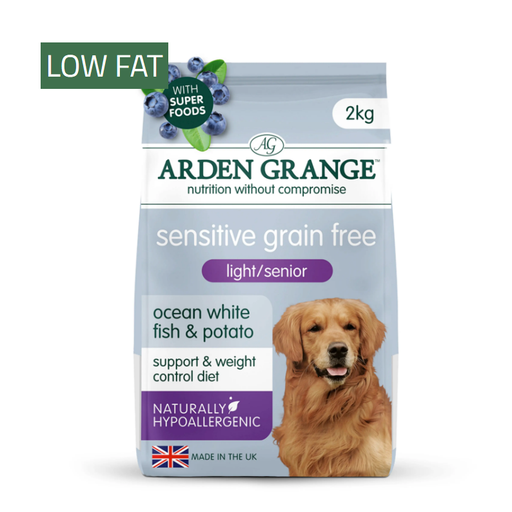
Why It Stands Out: This formula is specifically designed to address multiple issues at once. It combines a grain-free recipe using ocean white fish as a novel protein source with a low-calorie composition, making it an excellent choice for older or overweight dogs with delicate systems.
Pros:
Who is it for? This food is particularly suited for senior or overweight dogs that exhibit both digestive sensitivities and skin issues.
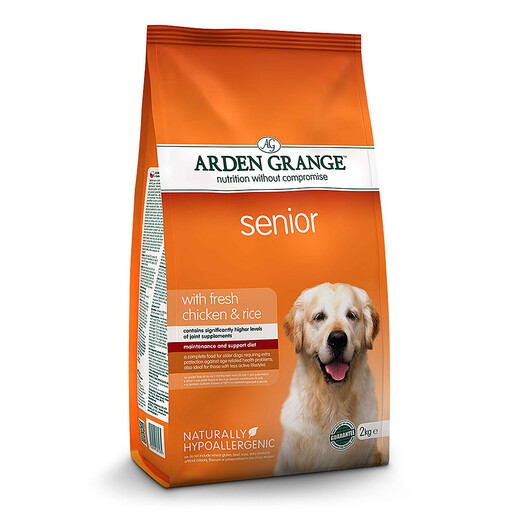
Why It Stands Out: This is a super premium recipe that is naturally hypoallergenic by avoiding common culprits like wheat gluten, beef, soya and dairy. It focuses heavily on the needs of older dogs with a reduced fat content and a powerful blend of joint support supplements.
Pros:
Who is it for? This is an ideal choice for senior dogs (aged 7+) who need robust joint support and a diet free from specific allergens like beef or soya, but are known to tolerate chicken and rice well.
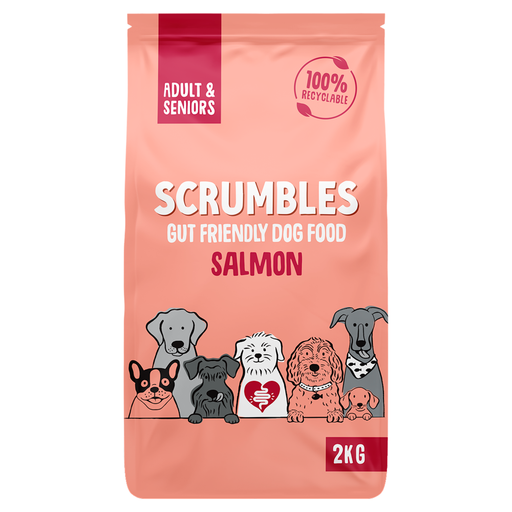
Why It Stands Out: This salmon dog food for sensitive dogs places a strong emphasis on digestive health. It is not only grain-free and poultry-free but also includes 1 billion live bacteria, making it a leading dog food with probiotics. The gentle cooking process helps retain nutrients and flavour.
Pros:
Who is it for? A great option for adult and senior dogs with very sensitive stomachs or known poultry allergies, who would benefit from added digestive support.
Every dog is an individual, and the perfect food for one may not suit another. If these recommendations aren't quite right or if you'd like to explore a wider variety of formulas, there are many other excellent options available.
Browse our full collection of senior dry dog food to find the perfect match for your companion's unique dietary needs.
1. What are the signs my dog might need hypoallergenic food? Common signs include persistent itching, scratching, red or inflamed skin, recurrent ear infections and digestive problems such as vomiting, loose stools or excessive gas. If you notice these symptoms, it is always advisable to consult your vet to rule out other medical conditions.
2. How long does it take to see a difference after switching diets? When transitioning to a new hypoallergenic food, it can take between 8 to 12 weeks to see a significant improvement. This is the time required for your dog's system to clear out the previous ingredients and for their body to adjust. Always transition to a new food gradually over 7-10 days to avoid digestive upset.
3. Is grain-free dog food always the best hypoallergenic option? Not necessarily. While grain sensitivities are common, some dogs are allergic to specific animal proteins like beef or chicken. A grain free dog food is only beneficial if your dog is sensitive to grains. The key is to identify the specific ingredient causing the reaction, which may require an elimination diet under your vet's guidance.