
24/7 Customer Support

Free returns

Same-day & Next-day Delivery

Quality Guaranteed

Unlock Your Welcome Offers: FREE Delivery | Up to 80% OFF | Free 30-day JoyPlus trial
Download the APP
As a dog owner, there's nothing more distressing than seeing your companion suffer from constant scratching, upset stomachs or irritated skin. You've likely heard the term "hypoallergenic dog food" mentioned as a potential solution, but navigating the market can be a confusing experience. Many products make bold claims, yet the results can be disappointing, leaving you and your pet back where you started.
Before you make another purchase, it's important to understand the common pitfalls. Many owners invest in premium foods only to find they don't solve the problem, often due to misleading marketing or a misunderstanding of what "hypoallergenic" truly means.
Understanding these issues is the first step toward making a more informed choice for your dog's wellbeing.
To choose a genuinely suitable diet, you need to look past the front-of-bag claims and analyse the ingredients. Here are the core parameters to check before you buy.
The cornerstone of managing food sensitivities is identifying the trigger ingredient. This is nearly impossible if your dog's food contains multiple animal proteins.
Carbohydrates provide energy, but the source matters, especially for a sensitive stomach dog food.
A good dog food for allergies in the UK will be transparent about what it excludes. Many reputable brands, like James Wellbeloved, explicitly state they are free from common allergens such as beef, pork, soya, eggs, dairy and wheat. This commitment to a "clean" formula is often a better indicator of suitability than the simple "hypoallergenic" tag. Opting for a natural dog food that avoids artificial colours, flavours and preservatives also reduces the load of unnecessary chemicals in your dog's diet.
Based on these principles, we've identified several products that align with the needs of different UK dog owners. Instead of a one-size-fits-all approach, these recommendations are matched to specific situations.
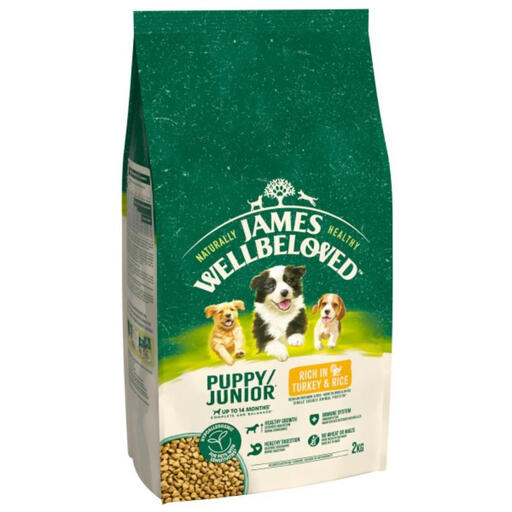
Why This Fits Their Persona: Ideal for UK owners of puppies showing early signs of sensitivity. It provides tailored nutrition for growth while using a single, gentle protein source (turkey) that is less common than chicken, reducing the risk of intolerance.
It moves beyond a vague "hypoallergenic" label by using a single animal protein (turkey) and explicitly excluding common allergens like wheat, soya and dairy.
Combines puppy-specific nutrition (correct calcium/phosphorus levels for bone development) with a hypoallergenic formula. The small kibble size is perfect for young dogs.
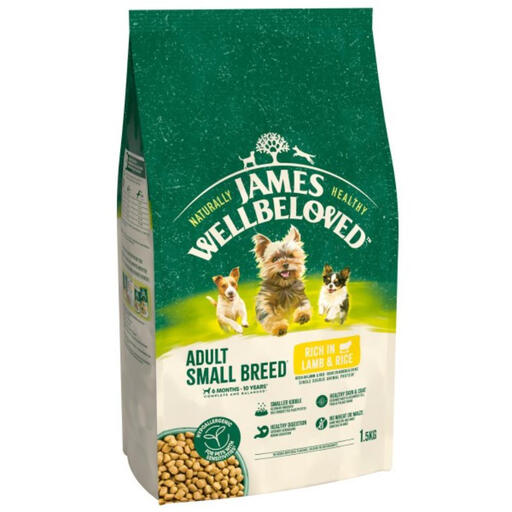
Why This Fits Their Persona: A trusted choice for owners of adult dogs with established sensitivities. It uses lamb, a well-tolerated protein for many, and is specifically designed with smaller kibble for small breeds, which can also aid digestion.
It provides a clear "free from" list, explicitly excluding beef, pork, soya, eggs, dairy and wheat. This transparency is far more useful than a generic "hypoallergenic" claim.
Uses a single animal protein (lamb) and includes natural prebiotics and fibres to actively support digestive health, addressing both the cause and symptoms of intolerance.
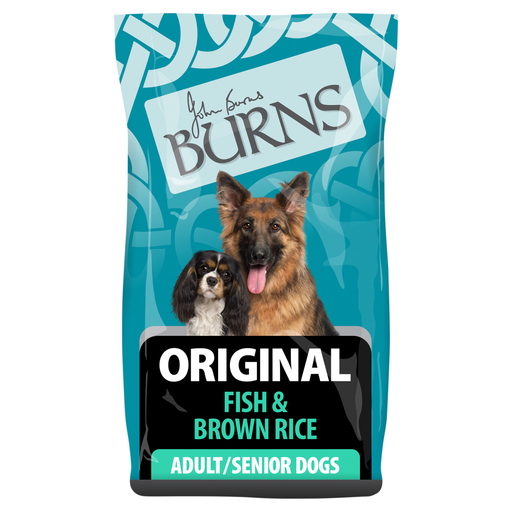
Why This Fits Their Persona: Excellent for owners whose dogs have not responded to poultry or lamb-based diets, or for those specifically looking to improve skin and coat health. Fish is a superb novel protein and rich in omega fatty acids.
This formula focuses on a specific, high-quality solution (fish protein) rather than a vague marketing term. Its limited ingredient list makes it a reliable choice for an elimination diet.
The holistic, low-fat recipe is highly digestible. The inclusion of salmon oil and seaweed provides a natural source of Omega-3 and Omega-6 fatty acids to nourish skin and fur from within.
We have compiled a complete, real-time list of products that fully satisfy these strict selection criteria and UK safety regulations.
For a true food elimination trial, you should feed the new food exclusively for 8 to 12 weeks. This means no other foods, treats or even flavoured toys. It can take this long for the previous allergens to fully clear your dog's system and for you to see a noticeable improvement in skin condition or digestive health.
The upfront cost per bag can be higher than standard dog food. This is because they often use higher-quality, single-source proteins and avoid cheaper fillers. However, many owners find that the higher digestibility means they can feed smaller portions. When you factor in potential savings on vet bills for allergies, the overall cost can be very reasonable.
It is generally recommended to continue feeding the diet that has resolved your dog's symptoms. If you wish to identify the specific trigger, you can try reintroducing single ingredients one at a time, with a gap of several weeks between each. However, this should be done cautiously, and it is always wise to discuss this process with your vet first. For many, the simplest and safest approach is to stick with the food that keeps their dog happy and healthy.