
24/7 Customer Support

Free returns

Same-day & Next-day Delivery

Quality Guaranteed

Unlock Your Welcome Offers: FREE Delivery | Up to 80% OFF | Free 30-day JoyPlus trial
Download the APP
Watching your dog struggle with constant itching, skin irritation or digestive upset can be a frustrating experience for any owner. Often, the culprit is a sensitivity to common ingredients in their food. Navigating the world of specialised diets can feel overwhelming, with countless options all claiming to be the solution. This guide is designed to help you understand the key features of hypoallergenic dog food available in the UK, so you can make a more informed choice for your companion's well-being.
Before you select a new food, it helps to know what to look for. A few key considerations can help you narrow down the options and find a formula that suits your dog's specific needs.
The term "hypoallergenic" simply means the food is formulated to reduce the risk of an allergic reaction. This is usually achieved by avoiding common allergens. When checking the ingredients list, look out for:
For many dogs with sensitivities, the type of protein is the most important factor. Many hypoallergenic foods use novel proteins (ones your dog is unlikely to have eaten before) or single-protein sources to minimise the chance of a reaction. Fish, lamb and duck are common choices. If you suspect a specific meat allergy, a single-protein diet makes it easier to identify and avoid the trigger. For more complex sensitivities, a vegan dog food that eliminates all animal protein might be a suitable path to explore with your vet's guidance.
Beyond allergies, your dog may have other health requirements. Many specialised foods now include ingredients to address these needs:
Here are a few options that cater to different dietary needs, helping you find a potential match for your dog.
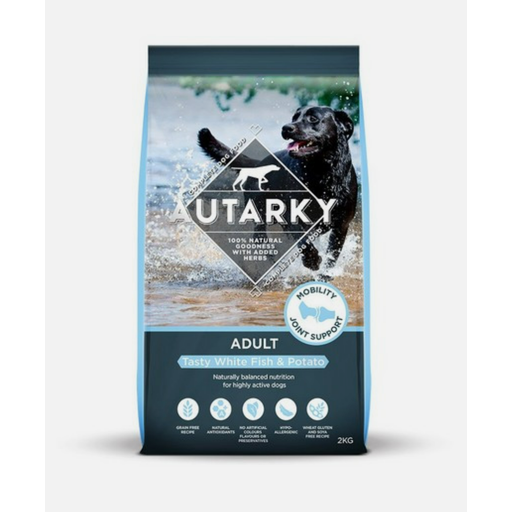
Why It Stands Out: This formula from Autarky is built around a single protein source—white fish—making it an excellent choice for dogs with sensitivities to poultry or red meat. It is completely grain-free, using potato and sweet potato for energy. A key feature is its comprehensive joint care package, which includes glucosamine, green-lipped mussel and olive extract to support mobility.
Pros:
Who is it for? This food is ideal for adult dogs with known grain or poultry sensitivities. It is also a strong contender for active or older dogs who could benefit from added joint care.
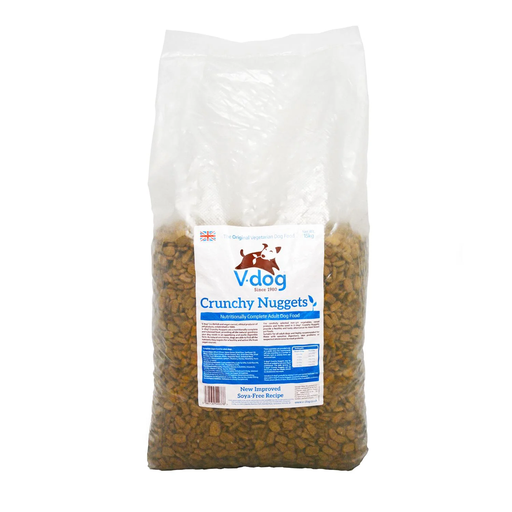
Why It Stands Out: For dogs with multiple meat protein allergies or for owners seeking a plant-based diet, V-Dog offers a nutritionally complete vegan dog food. It provides a high protein content of 24% derived from plant sources like peas and corn. The formula is fortified with essential nutrients like Taurine and L-Carnitine to support heart health, ensuring it meets the needs of an adult dog without any animal products.
Pros:
Who is it for? This is a specialised option for dogs requiring a diet free from animal proteins due to severe allergies, or for households committed to a vegan lifestyle. As with any significant dietary change, it is wise to consult a vet.
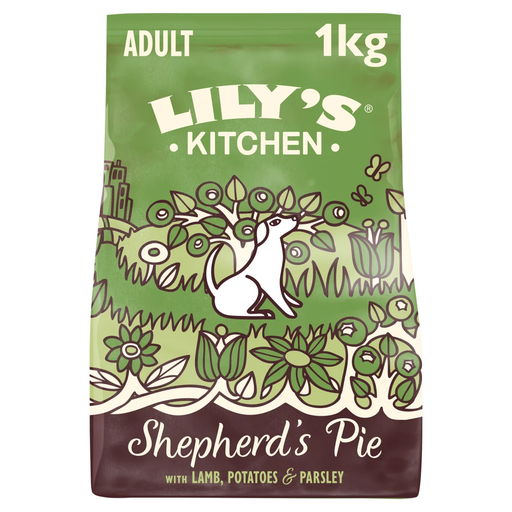
Why It Stands Out: This grain-free recipe from Lily's Kitchen uses freshly prepared lamb as its primary protein, a great alternative for dogs sensitive to chicken or fish. It stands out as a low-fat dog food, containing L-Carnitine to help with fat metabolism, making it suitable for dogs needing to manage their weight. The recipe also includes prebiotics for healthy digestion and a joint care mix with glucosamine and chondroitin.
Pros:
Who is it for? This is a fitting choice for dogs with grain sensitivities who do well on lamb. Its low-fat content makes it particularly well-suited for less active dogs or those on a weight management plan.
The products highlighted here cover some of the most common dietary needs, but every dog is an individual. If you haven't found the perfect fit or want to explore other protein sources and formulas, there is a wider selection available.
Discover more choices in our full range of complete dry dog food.
What are the signs my dog might need hypoallergenic food? Common signs of a food sensitivity include persistent itching, red or inflamed skin, recurring ear infections, excessive paw licking and digestive issues like loose stools or flatulence. If you notice these symptoms, it is always best to consult your vet to rule out other causes.
How do I switch my dog to a new hypoallergenic food? To avoid digestive upset, introduce any new food gradually. Over 5-7 days, start by mixing a small amount of the new food with their old food, and slowly increase the proportion of the new food each day until you have fully transitioned.
Is grain-free always the best option for allergies? Not necessarily. While grains are a common trigger, many food allergies in dogs are actually caused by proteins like beef or chicken. A grain free dog food is an excellent starting point for an elimination diet, but if symptoms persist, the protein source may be the next thing to investigate. Identifying the specific allergen is the most effective long-term strategy.