
24/7 Customer Support

Free returns

Same-day & Next-day Delivery

Quality Guaranteed

Unlock Your Welcome Offers: FREE Delivery | Up to 80% OFF | Free 30-day JoyPlus trial
Download the APP
Watching your dog struggle with constant scratching, digestive upset or other signs of discomfort is a frustrating experience for any owner. Often, the culprit can be found in their food bowl. Navigating the world of specialised diets can feel overwhelming, with countless brands making bold claims. This guide is designed to cut through the clutter, offering practical advice to help you choose a suitable hypoallergenic dog food in the UK that supports your dog's well-being.
We'll explore what to look for on the label and highlight a few carefully selected options that cater to common sensitivities.
Before committing to a new diet, it's helpful to understand what makes a food suitable for a sensitive dog. Keep these points in mind while you compare your options.
The term "hypoallergenic" simply means the food is formulated to reduce the risk of an allergic reaction. In practice, this usually means it is free from common triggers like wheat, soya, dairy, beef and artificial colours or preservatives. For dogs with particularly troubled digestion, a limited ingredient dog food can be beneficial. These recipes contain fewer components, making it easier to pinpoint and avoid specific ingredients that cause issues.
Protein is a frequent cause of food intolerances in dogs, with chicken and beef being common culprits. If you suspect your dog is reacting to their current food, consider a chicken free dog food. Look for formulas that use a single or novel protein source—one your dog has not been exposed to before. Meats like lamb, pork, duck or fish can be excellent alternatives for dogs with sensitivities.
A good sensitive stomach dog food will often include ingredients that actively support digestive health, such as prebiotics (FOS and MOS) which nourish beneficial gut bacteria. For dogs with itchy skin, look for foods rich in Omega-3 and Omega-6 fatty acids. These are often found in fish-based recipes or added as supplements like fish oil or linseed and they are a key feature in the best food for dogs with itchy skin.
Every dog is an individual, but the following products are formulated with the principles we've just discussed in mind. They are popular choices among UK dog owners looking to manage food sensitivities.
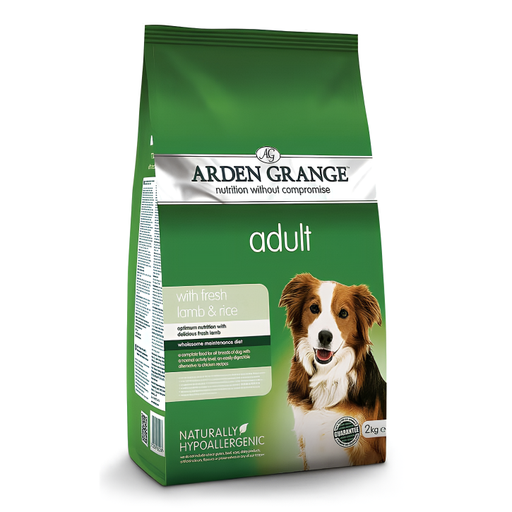
Why It Stands Out: This Arden Grange dog food is a super-premium option centred around lamb, a highly digestible protein that serves as an excellent alternative for dogs with chicken allergies. The recipe is naturally hypoallergenic, excluding common irritants like wheat and soya. It also includes a robust joint support package with glucosamine, chondroitin and MSM, alongside prebiotics to aid gut health.
Pros:
Who is it for? This is a great choice for normally active adult dogs of all breeds who are known to have sensitivities to chicken, or for owners looking for a formula that provides extra joint support.
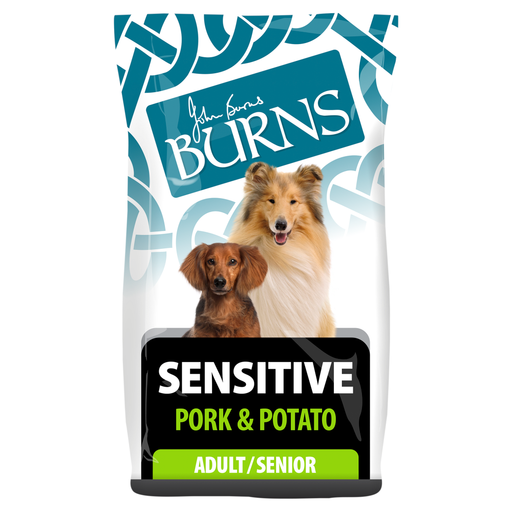
Why It Stands Out: Developed by a veterinary surgeon, Burns sensitive dog food is known for its simple, wholesome recipes. This particular formula uses a limited number of ingredients, with pork as a novel protein and potato as a digestible carbohydrate source. Its low-fat, highly digestible nature makes it particularly gentle on the digestive system, which can help reduce waste and manage issues like itchy skin and bad breath linked to diet.
Pros:
Who is it for? This is an excellent option for dogs with very sensitive stomachs or those who have not responded well to more complex recipes. It's also a solid choice for owners who prefer a minimalist, holistic approach to their dog's nutrition.
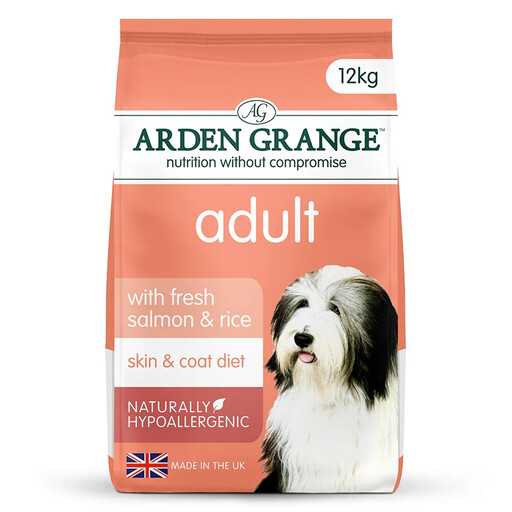
Why It Stands Out: This formula from Arden Grange is specifically geared towards promoting healthy skin and a lustrous coat. The primary protein is fresh salmon (26%), which is naturally rich in Omega-3 and Omega-6 fatty acids. These essential fats are known for their role in maintaining skin health and reducing inflammation, making this a prime candidate for dogs with dry, flaky or itchy skin. The recipe is also free from common allergens.
Pros:
Who is it for? An ideal choice for adult dogs suffering from dull coats or persistent itchy skin. It's also a great chicken free dog food for dogs who enjoy the taste of fish.
The products above represent some of the most popular and effective formulas for common sensitivities. However, the right diet is unique to each dog. If you're looking for different protein sources, grain-free options or formulas for specific life stages, you can explore our wider collection.
Browse our full range of skin and coat dog food to find the perfect match for your companion.
Common signs of a food allergy or intolerance include persistent itching (especially around the paws, ears and face), recurrent ear infections, skin rashes and digestive problems such as loose stools, excessive gas or vomiting. If you notice these symptoms, it's always best to consult your vet to rule out other medical issues.
Patience is key when transitioning to a new food. It can take anywhere from 8 to 12 weeks for your dog's system to fully adjust and for you to see a significant improvement in their symptoms. This is because it takes time for the old allergens to clear from their body. Some minor improvements may be noticeable sooner.
Not necessarily. While many hypoallergenic foods are grain-free, a dog can be allergic to a protein source (like beef or chicken) just as easily as a grain. Some dogs do very well on hypoallergenic foods that contain easily digestible grains like rice or oats. The most important factor is identifying and eliminating the specific ingredient that is causing your dog's reaction.