
24/7 Customer Support

Free returns

Same-day & Next-day Delivery

Quality Guaranteed

Unlock Your Welcome Offers: FREE Delivery | Up to 80% OFF | Free 30-day JoyPlus trial
Download the APP
Watching your dog struggle with constant scratching, dull fur or an upset stomach is a difficult experience for any owner. While many factors can contribute to these issues, their diet is often a primary cause. Food sensitivities and allergies are increasingly common, leading many UK dog owners to search for a hypoallergenic dry dog food that can provide relief.
Navigating the world of dog food can be confusing, with countless brands and ingredient lists to decipher. This guide is designed to help you understand what to look for in a hypoallergenic diet and to highlight some carefully selected options that prioritise natural ingredients and digestive health.
Before making a switch, it helps to know what defines a quality hypoallergenic food. Here are a few key points to consider during your search.
The principle behind many hypoallergenic diets is to limit the number of potential allergens. A good starting point is to look for a complete adult dog food with a single, clearly named animal protein source, such as chicken or salmon. Common triggers for dogs can include beef, dairy, wheat and soya. A formula that is free from these ingredients can often make a significant difference for a dog with a sensitive stomach dog food requirement. Reading the label carefully is crucial to ensure you know exactly what you are feeding your companion.
The market for grain free dog food in the UK has grown considerably, and for good reason. Many dogs with sensitivities react poorly to common grains like wheat and corn. Grain-free formulas often use alternatives like sweet potato or peas, which can be easier to digest. However, not all grains are problematic. Some hypoallergenic foods use gentle, whole grains like rice and oats, which provide valuable energy and fibre without causing irritation for most dogs. The choice between grain-free and gentle grains often depends on your dog's specific tolerance.
A truly beneficial diet goes beyond just avoiding allergens. Look for formulas enriched with ingredients that actively support your dog's wellbeing.
Here are a few standout options that align with the principles of a high-quality, hypoallergenic diet.
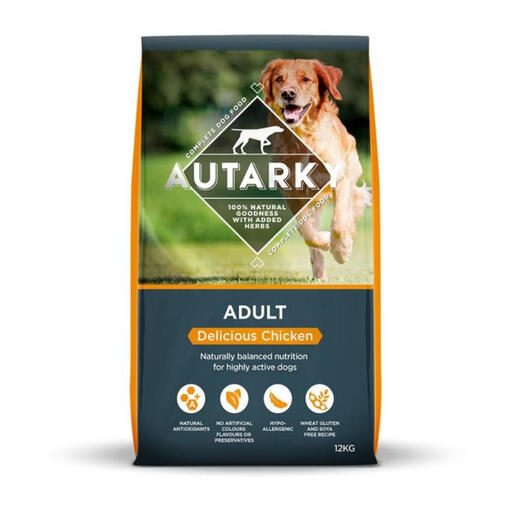
Why It Stands Out: Autarky offers a holistic approach, combining natural ingredients with a formula designed for active dogs. It specifically avoids wheat-gluten and soya, two very common irritants. Instead of being completely grain-free, it uses easily digestible rice and oats, making it a balanced choice for dogs who tolerate these gentle grains well. The inclusion of prebiotics, taurine for heart health and yucca for stool odour reduction shows a thoughtful approach to overall wellbeing.
Pros:
Who is it for? This is an excellent option for owners of active adult dogs who need a diet free from wheat and soya but do not require a completely grain-free formula.
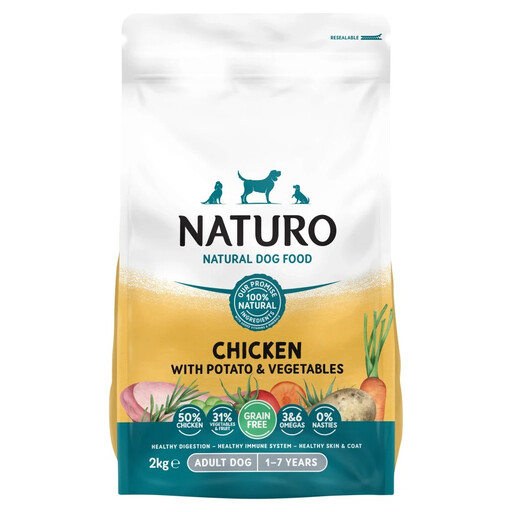
Why It Stands Out: This Naturo recipe is a fantastic grain-free choice, boasting a high meat content with 50% chicken. This makes it highly palatable and provides ample protein for muscle maintenance. The recipe is straightforward and natural, using potato, peas and carrots as carbohydrate sources. It is fortified with prebiotics (MOS & FOS) to support gut health and a balance of Omega fatty acids for skin and coat conditioning.
Pros:
Who is it for? Ideal for adult dogs requiring a high-protein, grain-free diet to manage food sensitivities, particularly those who do well on a chicken-based food.
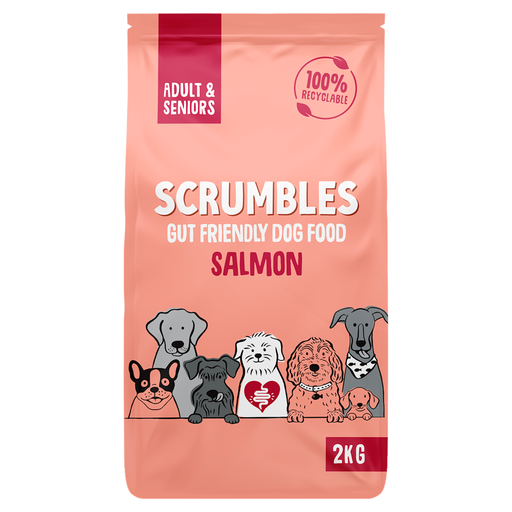
Why It Stands Out: Scrumbles stands out by being both grain-free and poultry-free, making it a superb choice for dogs with multiple common allergies. Using salmon as the primary protein source provides high-quality Omega-3s. Its most notable feature is the addition of 1 billion live bacteria per kg, making it a powerful dry dog food with probiotics for promoting excellent digestive health. The food is also gently cooked at lower temperatures to preserve nutrients and flavour.
Pros:
Who is it for? A top-tier choice for dogs with very sensitive stomachs or known allergies to both grains and poultry.
Every dog is unique, and finding the perfect food can sometimes take a little trial and error. If the recommendations above aren't quite right or if you're looking for solutions tailored to other specific needs, there are many more choices available.
For a wider selection of foods designed to support your pet's wellbeing, explore our full range of animal skin care products and specialised diets.
1. How do I know if my dog needs hypoallergenic food? Common signs of a food sensitivity include persistent itching, red or inflamed skin, chronic ear infections, excessive paw licking and digestive issues like frequent loose stools or vomiting. However, these symptoms can have other causes, so it is always recommended to consult your vet to get a proper diagnosis before making significant dietary changes.
2. How long does it take for a hypoallergenic diet to show results? Patience is key. While digestive improvements may be noticeable within a couple of weeks, it can take anywhere from 8 to 12 weeks for skin-related issues to fully clear up as the body heals. To avoid further stomach upset, be sure to transition your dog to the new food gradually over a period of 7-10 days.
3. Is grain-free always the better option for sensitive dogs? Not necessarily. While many dogs are sensitive to common grains like wheat or corn, the true allergen could be a protein (like beef or dairy) or another ingredient. A grain free dog food is an excellent choice if a grain allergy is suspected, but a hypoallergenic food that uses single, easily digestible grains like rice can be just as effective if the trigger lies elsewhere. The most important factor is identifying and eliminating the specific ingredient causing the reaction.