
24/7 Customer Support

Free returns

Same-day & Next-day Delivery

Quality Guaranteed

Unlock Your Welcome Offers: FREE Delivery | Up to 80% OFF | Free 30-day JoyPlus trial
Download the APP
Watching a beloved dog struggle with itchy skin, a sensitive stomach, or persistent digestive issues can be a frustrating experience for any owner. While many factors can contribute to these problems, their diet is often a good place to start. Choosing the right food can make a significant difference, but the sheer number of options can feel overwhelming.
This guide is designed to help you navigate the world of hypoallergenic dry dog food. We will break down what to look for on the label, explain key terms and provide some practical shopping advice to help you find a suitable and nutritious option for your canine companion.
Making an informed choice involves more than just picking a bag off the shelf. Understanding a few key principles can help you select a food that truly meets your dog's dietary needs.
The term "hypoallergenic" simply means a product is formulated to minimise the risk of an allergic reaction. In dog food, this is typically achieved by avoiding common ingredients known to cause sensitivities in some dogs. These often include:
Many owners find that a wheat free dog food or a completely grain free dog food can be beneficial for dogs with sensitivities.
A high-quality food will have a clear and transparent ingredient list. When reviewing it, look for a complete dry dog food that provides balanced nutrition. Key things to check for include:
Here are a few recommendations that align with the principles of a hypoallergenic diet. Each offers a distinct formula to cater to different needs.

Why It Stands Out: This formula is specifically designed for dogs with sensitive tummies, using a single protein source and easily digestible carbohydrates. Its 100% natural ingredient list is straightforward and focuses on core nutrition without unnecessary fillers.
Pros:
Who is it for?: This is a strong choice for owners of adult dogs with known digestive sensitivities who are looking for a simple, grain-free and high-protein natural diet.
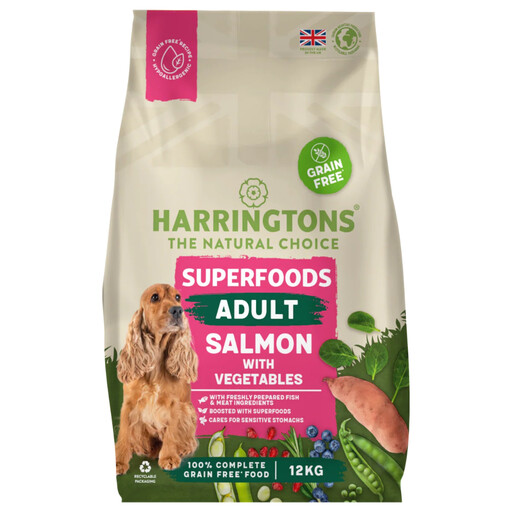
Why It Stands Out: This food combines a grain-free recipe with a blend of superfoods like spinach, pomegranate and blueberries. It uses salmon as a key ingredient, which is an excellent source of protein and Omega-3 fatty acids.
Pros:
Who is it for?: A suitable option for owners seeking a complete grain-free diet that also includes added botanicals and superfoods to support overall vitality, particularly for dogs who do well on fish-based proteins.
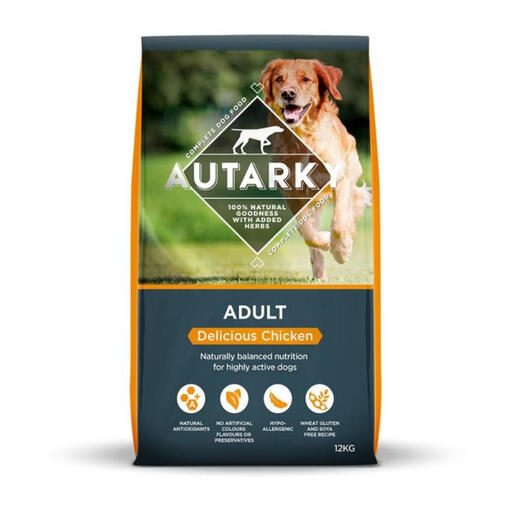
Why It Stands Out: While not grain-free, this recipe is specifically wheat-gluten and soya free, targeting two of the most common allergens. It is designed with active dogs in mind, combining quality protein with energy-providing grains like rice and oats.
Pros:
Who is it for?: This is a great fit for active or working adult dogs that do not have a sensitivity to all grains but may benefit from a wheat-gluten and soya-free diet.
Every dog is an individual, and finding the perfect food can sometimes require a bit of trial and error. The products highlighted here are just a starting point. If you'd like to explore a wider variety of formulas, protein sources and life-stage options, feel free to browse our full collection.
Explore our entire range of dry dog food.
Grain free dog food is a type of hypoallergenic food, but not all hypoallergenic foods are grain-free. "Hypoallergenic" is a broader term for a diet formulated to avoid common allergens, which can include grain, soya, dairy, or certain meats. "Grain-free" specifically means the food contains no grains like wheat, corn, or barley, and uses alternatives like potatoes or peas instead.
When switching to a new food, it is important to do so gradually over 7-10 days to avoid digestive upset. You may notice improvements in stool quality within a week or two. For issues related to skin and coat, it can take longer, often between 4 to 12 weeks, for visible changes to appear as the body heals and new, healthy hair grows.
The hypoallergenic foods available for purchase are formulated as complete and balanced diets for adult dogs. However, if your dog is experiencing persistent or severe health issues like chronic diarrhoea, vomiting, or intense skin problems, it is always best practice to consult with your vet. They can help rule out underlying medical conditions and provide guidance tailored to your dog's specific health needs.