
24/7 Customer Support

Free returns

Same-day & Next-day Delivery

Quality Guaranteed

Unlock Your Welcome Offers: FREE Delivery | Up to 80% OFF | Free 30-day JoyPlus trial
Download the APP
Watching a beloved dog struggle with itchy skin, a sensitive stomach or stiff joints can be a frustrating experience for any owner. You want to provide them with relief, and often, the key to their comfort lies in their food bowl. The world of dog food can be complex, but many owners are finding that a switch to a hypoallergenic, grain-free diet can make a significant difference.
This guide is designed to help you understand what to look for in a hypoallergenic grain free dog food. We will walk through key features and provide some carefully selected recommendations to help you make an informed choice for your canine companion.
Navigating ingredient lists and marketing claims can be challenging. Here are a few practical points to consider when selecting a new food for your dog.
A truly beneficial natural dry dog food starts with its core components. Look for recipes that feature a single, named source of animal protein, such as turkey or white fish, listed first. These are often more easily digested than complex protein blends. Instead of common grains like wheat or corn, which can be triggers for some dogs, these formulas typically use alternative carbohydrates like potato or sweet potato to provide steady energy. A turkey and potato dog food, for example, is a popular combination for this reason.
Beyond the basics, many specialised foods include additives to support common health concerns:
In the context of dog food, 'hypoallergenic' means the recipe has been formulated to minimise the risk of triggering an allergic reaction. This is achieved by excluding common allergens such as wheat gluten, soya, dairy and sometimes beef or chicken. While no food can be guaranteed to prevent all reactions in every dog, a hypoallergenic formula is a considered choice for dogs with known sensitivities.
Here are our recommendations for adult dogs who may benefit from a hypoallergenic, grain-free diet.
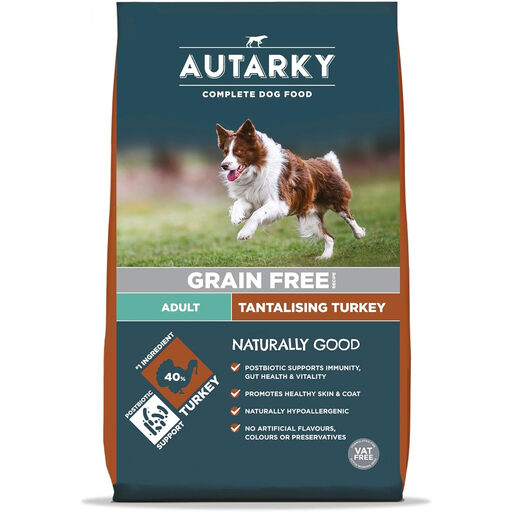
Why It Stands Out: This formula from Autarky offers a comprehensive solution by combining a grain-free recipe with targeted joint support. Using turkey as the primary protein and potato as the carbohydrate source, it is designed to be gentle on the digestive system. The inclusion of glucosamine and chondroitin directly addresses mobility, making it a multi-functional choice.
Pros:
Who is it for? A strong option for adult dogs with both grain sensitivities and a need for additional joint and mobility support.
View Autarky Turkey & Potato on Joybuy
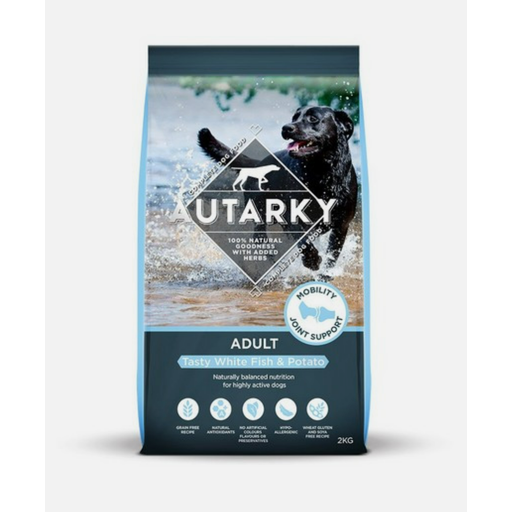
Why It Stands Out: This recipe is an excellent alternative for dogs who may be sensitive to poultry. It uses white fish as the primary protein, which is not only highly digestible but also a natural source of omega fatty acids. The formula is further enhanced with a unique blend of botanicals and marine ingredients for comprehensive health support.
Pros:
Who is it for? Ideal for adult dogs with sensitivities to grain and poultry, or for owners looking for a fish-based diet to support skin and joint health.
View Autarky White Fish & Potato on Joybuy

Why It Stands Out: Naturo's recipe is notable for its high meat content and straightforward, natural ingredient list. With 50% turkey and 26% potato, this food is specifically formulated for dogs with sensitive digestion. It provides a simple yet nutritionally complete meal without common irritants.
Pros:
Who is it for? A great choice for owners who prioritise a high-meat, natural diet for their adult dogs (aged 1-7 years) with sensitive stomachs.
View Naturo Turkey with Potato & Vegetables on Joybuy
Every dog is an individual, and what works for one may not be the perfect fit for another. If these specific recommendations don't quite match your dog's needs, there are many other excellent formulas to consider.
Explore our full range of Adult Dog Dry Food to discover more choices tailored to different breeds, sizes and dietary requirements.
1. What is the difference between grain-free and hypoallergenic dog food? 'Grain-free' means the food does not contain any grains like wheat, corn, barley or rice. 'Hypoallergenic' is a broader term for a recipe formulated to reduce the risk of an allergic reaction by avoiding common allergens. While many hypoallergenic foods are also grain-free, they also typically exclude other potential triggers like soya, dairy or certain meat proteins.
2. How do I know if my dog needs a grain-free diet? Common signs of food sensitivity can include persistent itching, skin rashes, ear infections, loose stools or excessive gas. If you notice these symptoms, a food intolerance could be a contributing factor. However, it is always advisable to consult your veterinarian to rule out other medical issues and get a professional recommendation before making a significant change to your dog's diet.
3. How long does it take to see improvements after switching food? When transitioning to a new food, it's important to do so gradually over 7-10 days to avoid digestive upset. You may notice improvements in stool quality within a week or two. For skin-related issues, it can take longer, often between 4 to 12 weeks, for the full benefits to become apparent as the skin and coat have a longer renewal cycle.