
24/7 Customer Support

Free returns

Same-day & Next-day Delivery

Quality Guaranteed

Unlock Your Welcome Offers: FREE Delivery | Up to 80% OFF | Free 30-day JoyPlus trial
Download the APP
A restful night's sleep can feel out of reach when you're battling allergies. Waking up with itchy eyes, a stuffy nose or constant sneezing is a frustrating start to any day. The culprit could be your pillow, which can harbour dust mites and other allergens. Finding a replacement that offers both comfort and relief, however, can be a challenge.
This guide is designed to help you navigate the options. As the Joybuy Product Recommendation Officer, my role is to sift through the market information and provide clear, practical advice. Here, we will explore what makes a good hypoallergenic pillow and highlight a few noteworthy options to help you make a more informed choice.
Before diving into specific products, let's cover a few key considerations. Keeping these points in mind will help you identify a pillow that truly suits your needs.
The filling of a pillow is crucial for both comfort and allergy management. Hypoallergenic pillows are typically made from synthetic materials that naturally resist common allergens.
The way you sleep determines the level of support you need to maintain healthy spinal alignment.
For allergy sufferers, hygiene is paramount. A pillow that is easy to clean helps to regularly remove dust mites and other irritants. Look for machine washable pillows and always check the care label for specific instructions to ensure the pillow maintains its shape and supportive qualities. Certifications like OEKO-TEX also indicate that the materials have been tested and found free from harmful substances.
Based on their features, materials and user-centric design, here are a few standout options available on Joybuy.
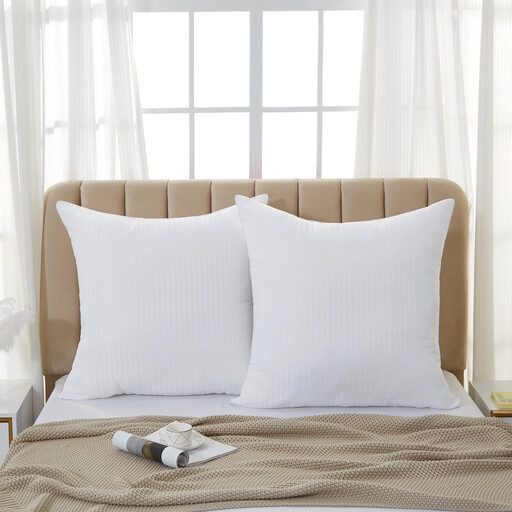
Why It Stands Out: This set offers the classic, plush comfort of a hotel pillow with a fully synthetic construction. The use of a down alternative microfibre fill makes it a reliable choice for those sensitive to traditional feather pillows.
Pros:
Who is it for? Anyone seeking a straightforward, comfortable and affordable hypoallergenic solution. It's a great starting point for upgrading your bedding to an allergy-friendlier setup without sacrificing that soft, sink-in feeling.
View Details for the Meeallhome Pillow Pair
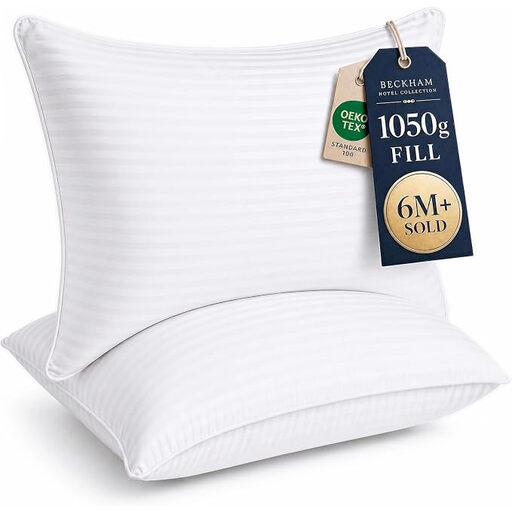
Why It Stands Out: This pillow combines a supportive bounce-back filling with cooling properties. The gel-infused fibres and 100% cotton cover are designed to promote airflow, making it a strong contender for those who overheat at night.
Pros:
Who is it for? Hot sleepers and individuals who want a pillow that adapts to different sleeping positions. The OEKO-TEX certification adds a layer of confidence for health-conscious users.
View Details for the Beckham Hotel Series Pillows
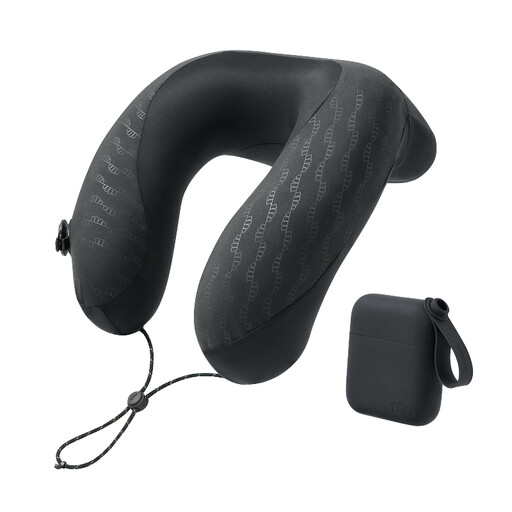
Why It Stands Out: Allergies don't take a holiday, and this travel neck pillow provides a personal, hygienic solution for comfort on the move. Its inflatable design and ergonomic shape make it a practical companion for any journey.
Pros:
Who is it for? Frequent travellers who need reliable neck support and want to avoid using pillows provided on planes or trains. It’s an excellent way to ensure comfort and hygiene away from home.
View Details for the Beneunder Travel Pillow
The pillows highlighted here cover some of the most common needs, but the ideal choice is always a personal one. If you're looking for a different material, firmness level or a specialised shape, it may be worth exploring further.
Discover more options in our wider collection of pillows to find the perfect fit for your sleep preferences.
1. How often should you wash hypoallergenic pillows? As a general rule, it is advisable to wash your pillows every 3 to 6 months to minimise the build-up of allergens. However, always refer to the product's care label. Some machine washable pillows may have specific temperature or drying requirements to maintain their integrity.
2. What is the difference between hypoallergenic and anti-allergy pillows? Though often used interchangeably, there can be a subtle distinction. Hypoallergenic pillows are made from materials that are inherently less likely to trigger an allergic reaction, such as microfibre or memory foam. Anti-allergy pillows are often specifically treated with a substance that actively inhibits the growth of dust mites and mould. Both are effective choices for managing allergies.
3. Can a pillow really help with neck pain? Yes, a suitable pillow plays a key role in spinal alignment. An ergonomic support pillow is designed to cradle your head and neck, relieving pressure points. The right pillow for you will depend on your sleeping position—side sleepers often need a firmer, higher pillow, while back and stomach sleepers typically benefit from a flatter one to keep the neck in a neutral position.