
24/7 Customer Support

Free returns

Same-day & Next-day Delivery

Quality Guaranteed

Unlock Your Welcome Offers: FREE Delivery | Up to 80% OFF | Free 30-day JoyPlus trial
Download the APP
A good night's sleep can feel out of reach if you're constantly battling with a stuffy nose, itchy eyes or waking up with a stiff neck. Often, the culprit is right under your head: your pillow. For many in the UK, common household allergens like dust mites can disrupt sleep, while an unsupportive pillow can lead to persistent aches.
This guide is designed to help you navigate the options and find a suitable pillow for your needs. We will focus on hypoallergenic pillows that are not only designed to offer a cleaner sleep environment but are also tailored to different sleeping positions. We'll explore materials, support levels and practical features to help you make an informed choice.
Finding the right pillow involves more than just picking one off the shelf. Here are a few key factors to consider to ensure you get the comfort and support you need.
Proper spinal alignment is crucial for restful sleep and preventing neck pain. The right pillow support depends entirely on how you sleep.
The materials used in a pillow's cover and filling determine its feel, breathability and hypoallergenic properties.
To maintain a fresh and allergen-free sleep environment, regular cleaning is essential. Machine washable pillows offer the most convenient solution. Being able to wash your pillow at 40°C helps to remove dust, oils and allergens, prolonging its life and ensuring it remains hygienic. Always check that the pillow is a UK standard pillow size (typically 48cm x 74cm) to ensure it fits your existing pillowcases.
Here are our recommendations, selected to suit different sleepers who are looking for affordable and practical hypoallergenic options.
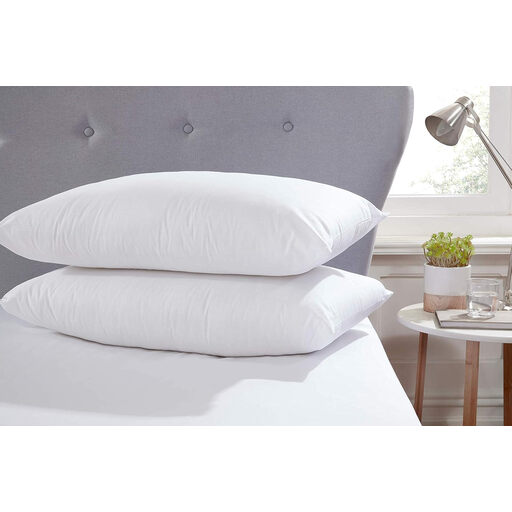
Why It Stands Out: This pillow combines a soft, hotel-quality feel with balanced support. The microfibre cover is smooth to the touch, while the hypoallergenic hollowfibre filling is treated to be anti-allergy and dust-mite resistant, creating a cleaner sleep space.
Pros:
Who is it for?: An excellent all-rounder, this pillow is particularly well-suited for back and side sleepers who need reliable support to relieve pressure on the neck and shoulders.
View the NightComfort Medium Support Pillow
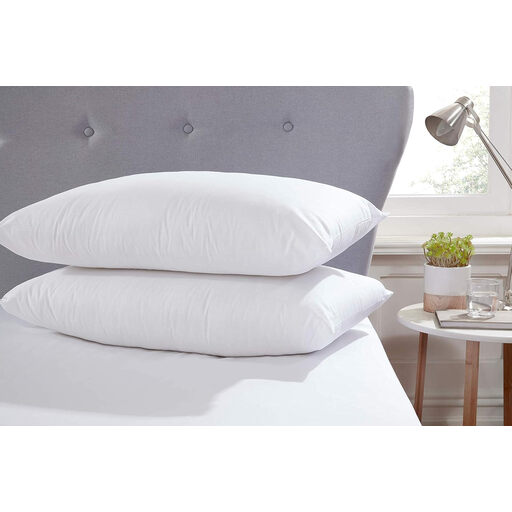
Why It Stands Out: Designed to replicate the plush, airy feel of natural down, this pillow offers gentle cushioning with minimal height. Its soft construction helps to prevent the neck from being angled uncomfortably upwards, which is a common issue for those who sleep on their stomach.
Pros:
Who is it for?: This is an ideal soft pillow for front sleepers. It's also a great choice for anyone who prefers a flatter, more malleable pillow that they can shape for personalised comfort.
View the NightComfort Soft Support Pillow
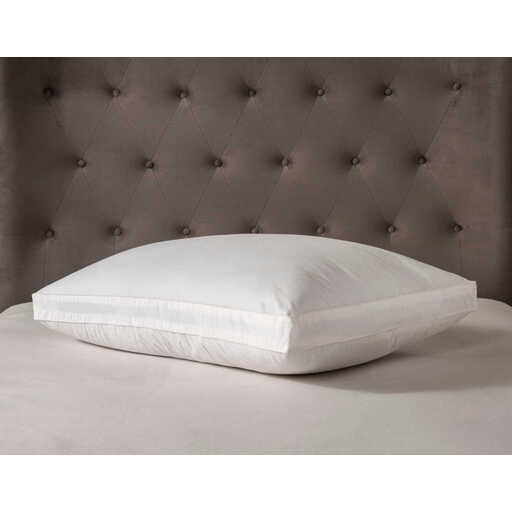
Why It Stands Out: The defining feature of this pillow is its construction. The gusseted box pillow design with a 5cm border provides a more structured shape and consistent loft from edge to edge. This prevents the filling from clumping in the middle and ensures even support across the entire surface. The 100% cotton cover adds a touch of luxury with its natural softness and breathability.
Pros:
Who is it for?: This pillow is particularly recommended for side sleepers, as the box construction provides the necessary height and firm foundation to properly support the head and neck.
View the NightComfort Premium Box Edge Pillow
If these recommendations aren't quite what you're looking for, or if you'd like to browse different styles and firmness levels, there are many other choices available.
Explore our full range of bedding to find your perfect match in our Cosy Home Cushions collection.
The terms are often used interchangeably, but there can be a subtle difference. "Hypoallergenic" typically means the materials themselves are unlikely to cause an allergic reaction (e.g., synthetic fills like microfibre instead of feathers). Anti-allergy pillows may go a step further by being treated with a substance that actively inhibits the growth of dust mites and bacteria. The products we've highlighted are made with hypoallergenic materials to provide a cleaner sleep environment.
To keep your pillows fresh and free from allergens, it's a good practice to wash them every three to six months. However, always refer to the care label on the product for specific instructions. Choosing machine washable pillows makes this task much simpler and helps maintain good sleep hygiene.
While the hypoallergenic properties address allergies, it is the pillow's support structure that helps with neck pain. A pillow that is too high or too low for your sleeping style can cause misalignment and strain. By selecting a pillow with the correct support for your position—such as a medium support pillow for a side sleeper—you can help keep your spine properly aligned and reduce discomfort.